
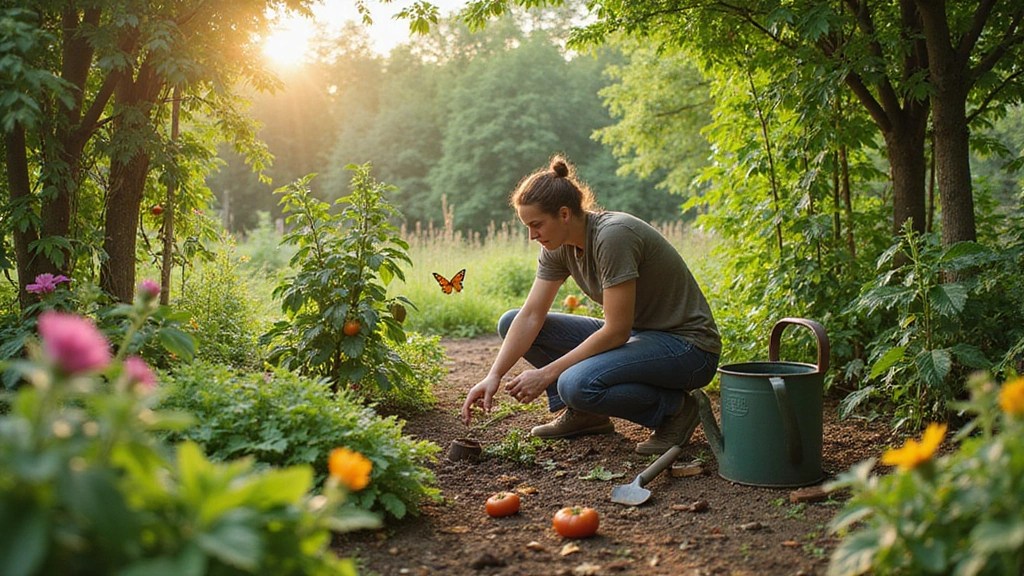
Unlock the secrets to a flourishing garden with these 16 transformative organic gardening methods!
From enriching your soil with natural compost to companion planting strategies that maximize your harvest, this guide is designed to elevate your gardening game.
Whether you are a seasoned gardener or just starting out, these tips will not only enhance your green thumb but also provide you with the countless benefits of organic gardening. Get ready to turn your garden into a thriving ecosystem filled with vibrant colors, rich flavors, and sustainable practices.
Contents
- 1. Start with Healthy Soil
- 2. Companion Planting
- 3. Natural Pest Control
- 4. Rotate Your Crops
- 5. Use Mulch Wisely
- 6. Embrace Biodiversity
- 7. Water Wisely
- 8. Grow from Seeds
- 9. Composting Basics
- 10. Harvest at the Right Time
- 11. Cover Crops for Soil Health
- 12. Seasonal Planting Techniques
- 13. Use Organic Fertilizers
- 14. Implementing No-Till Gardening
- 15. Involve Your Community
- 16. Enjoy the Process
1. Start with Healthy Soil
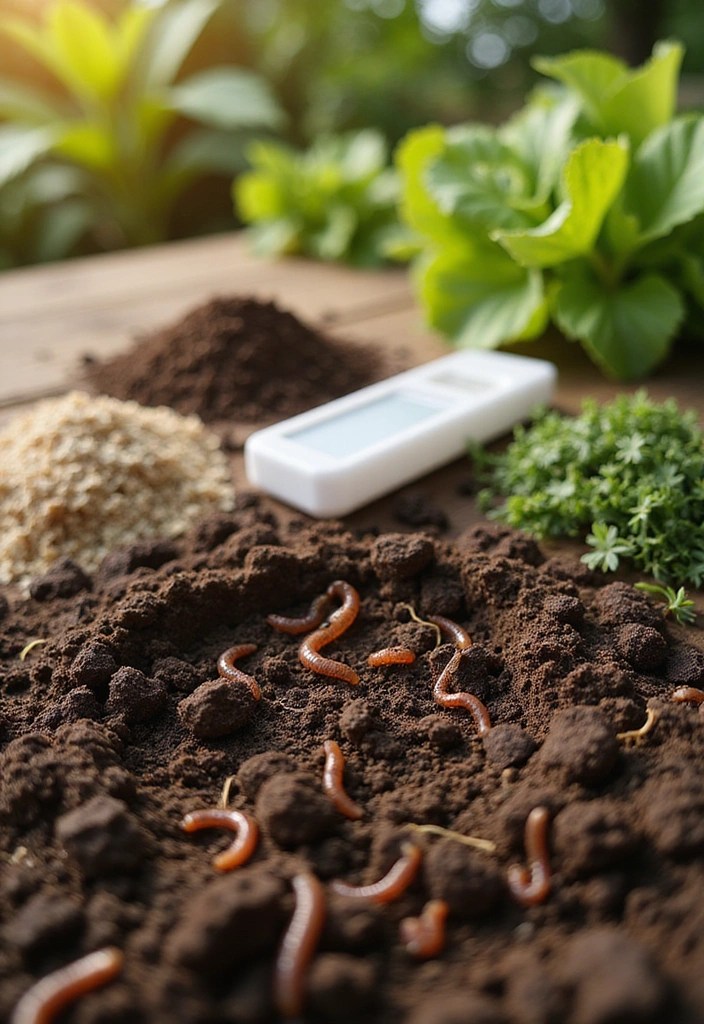
The key to a thriving organic garden lies in the quality of your soil.
By investing in organic compost and natural fertilizers, you can provide essential nutrients that will support your plants from the roots up. Incorporating materials such as well-rotted manure, worm castings, and green manures not only enhances soil structure but also improves moisture retention and boosts nutrient levels for your plants’ health.
To further optimize your garden, consider using a soil test kit. This tool helps you assess pH levels and identify any nutrient deficiencies, enabling you to make precise amendments that will maximize plant vitality and growth.
Product Recommendations:
2. Companion Planting
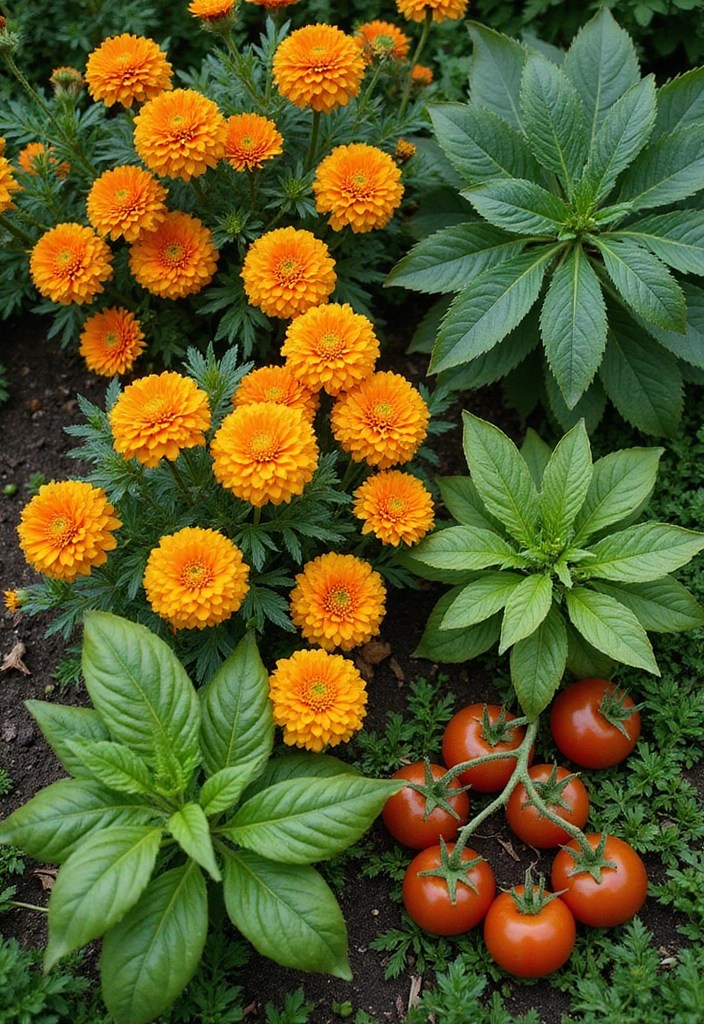
Companion planting is a cherished technique that pairs specific plants to boost growth and fend off pests, creating a thriving garden environment.
For example, when you plant marigolds alongside tomatoes, these vibrant flowers help repel damaging nematodes, while the aromatic basil not only elevates the flavor of your tomatoes but also acts as a deterrent for certain insects.
This strategic approach maximizes your garden space and fosters a harmonious ecosystem, encouraging biodiversity. To enhance your companion planting experience, consider using a comprehensive companion planting guide and supplement your garden with natural insect repellents for added protection.
Product Recommendations:
3. Natural Pest Control

Swap out harmful pesticides for eco-friendly pest control methods that not only safeguard your plants but also protect the environment.
By attracting beneficial insects such as ladybugs and lacewings, you can naturally keep pest populations in check without resorting to chemical treatments.
Incorporating products like neem oil can effectively deter pests while being gentle on your garden’s ecosystem.
Additionally, diatomaceous earth serves as a natural barrier against unwanted invaders, and a garlic spray kit can provide an extra layer of defense, ensuring your plants thrive in a safe and sustainable environment.
Product Recommendations:
• neem oil
4. Rotate Your Crops
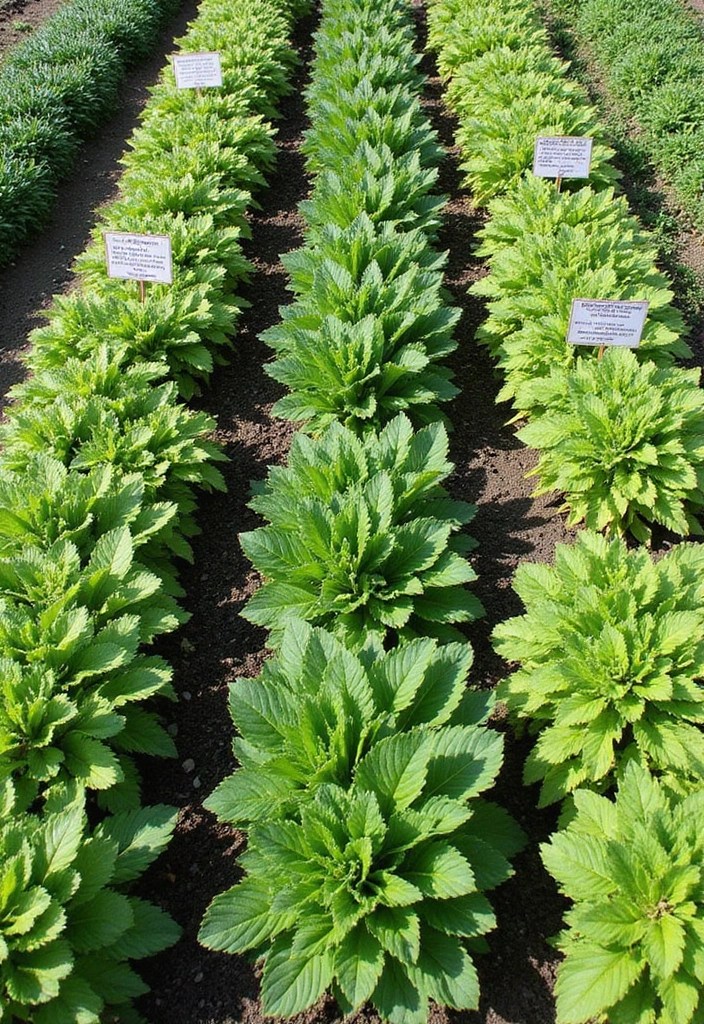
Crop rotation is an essential practice in organic gardening that plays a vital role in preventing soil depletion and minimizing the buildup of pests and diseases. By strategically changing the location of your plants each season, you can ensure that soil fertility remains intact while also reducing the risk of pests that thrive on specific crops.
To assist with this planning process, consider using a crop rotation planner. This tool can help you map out your garden layout effectively, ensuring a diverse rotation that promotes a healthier and more productive garden.
Additionally, utilizing garden markers can help you keep track of what you’ve planted and where, making it easier to implement your rotation strategy. Don’t forget to stock up on organic seeds for various crops to diversify your garden and enhance its overall resilience.
Product Recommendations:
• organic seeds for various crops
5. Use Mulch Wisely
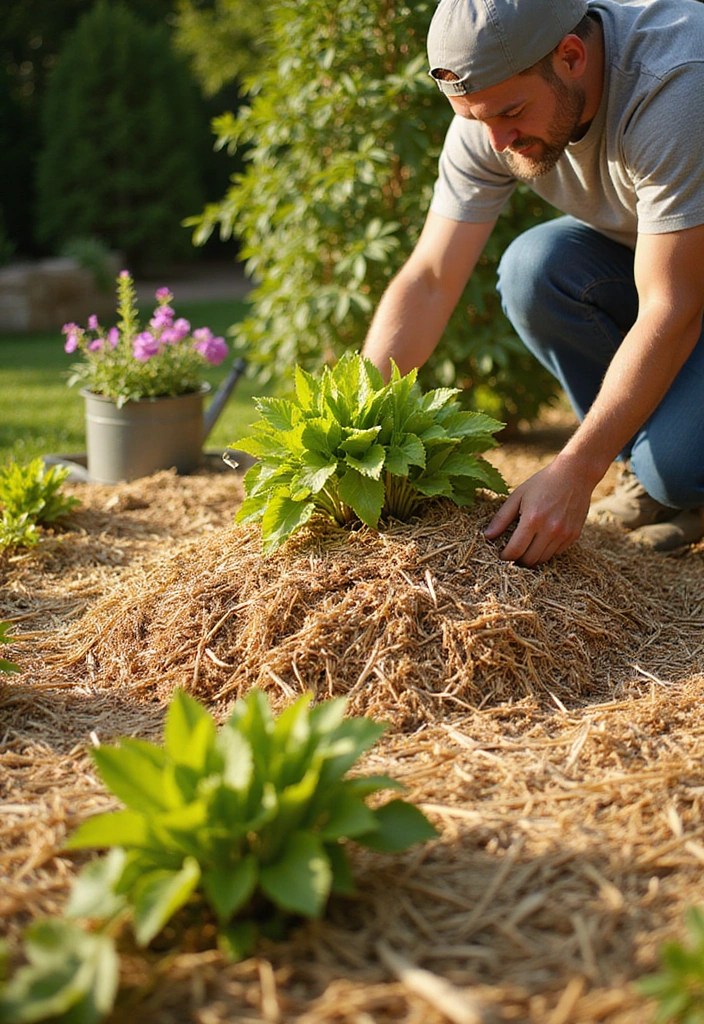
Mulching is a vital technique in organic gardening that plays a significant role in conserving moisture, suppressing weeds, and enhancing soil health. By incorporating organic materials such as organic mulch, you can create a nurturing environment for your plants.
These materials decompose over time, enriching the soil with essential nutrients. For those looking for an effective and versatile option, consider using straw bales as mulch, which not only helps retain moisture but also regulates soil temperature.
By applying a generous layer of mulch around your plants, you’re setting the stage for optimal growth and a flourishing garden.
Product Recommendations:
6. Embrace Biodiversity
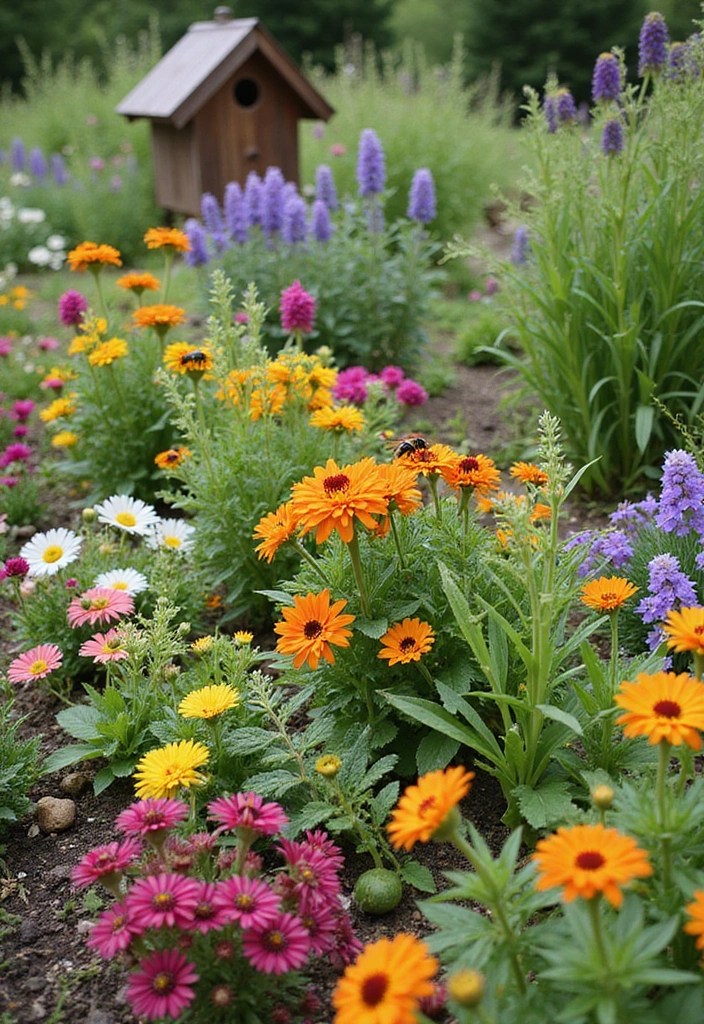
Creating a biodiverse garden is essential for enhancing resilience against pests and diseases while fostering a vibrant ecosystem. By incorporating a wide variety of plants, such as colorful native flower seeds, you can attract a diverse range of pollinators and beneficial insects that support your garden’s health.
Additionally, consider adding pollinator attractant plants that will encourage bees, butterflies, and other vital creatures to visit your garden regularly.
To further enrich your garden’s ecosystem, installing garden birdhouses can provide homes for birds, which help with natural pest control and add life and movement to your outdoor space.
A diverse garden not only enhances beauty but also ensures that your plants thrive together in a harmonious environment.
Product Recommendations:
• pollinator attractant plants
7. Water Wisely
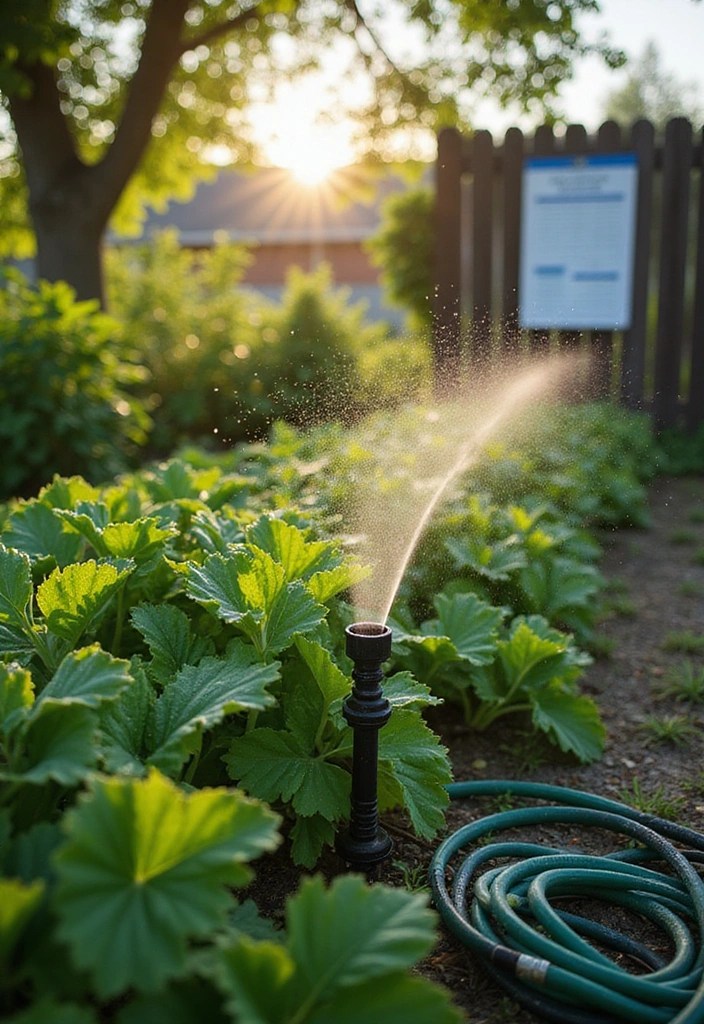
Watering your organic garden efficiently is vital for its overall health and productivity. One of the best investments you can make is a drip irrigation kit, which delivers water directly to the roots of your plants, significantly reducing evaporation and runoff.
To optimize water usage, aim to water your garden early in the morning or late in the evening, as this minimizes water loss and alleviates stress on your plants. Additionally, consider using a watering schedule planner to keep track of your watering routine and ensure your plants receive the right amount of moisture at the right times.
Incorporating mulch into your garden is another effective strategy, as it helps to retain soil moisture, allowing you to water less frequently. For an even more precise approach, a moisture meter can help you monitor the soil’s moisture levels, so you can water only when necessary, promoting a thriving organic garden.
Product Recommendations:
8. Grow from Seeds
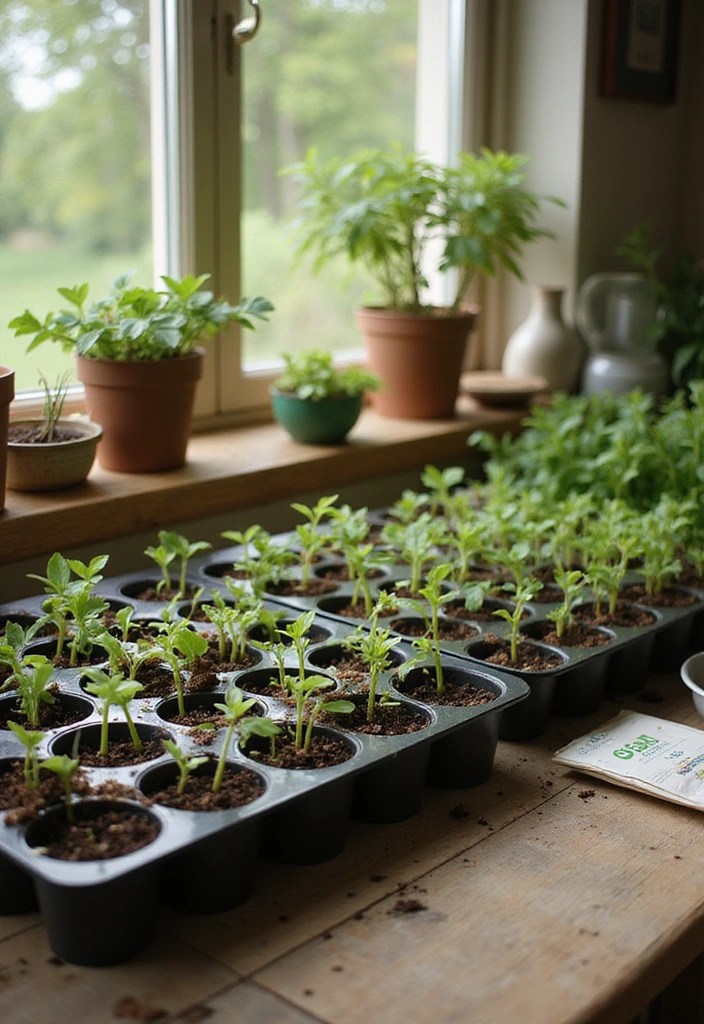
Growing plants from seeds is an incredibly fulfilling way to kickstart your organic garden, allowing you access to a broader range of plant varieties than what you typically find in store-bought seedlings.
To enhance your gardening experience, opt for organic heirloom seeds, which offer a richer selection of varietals that can thrive in your unique environment.
Starting your seeds indoors in biodegradable seed starter pots gives your plants a head start before they are transplanted into the garden, ensuring they are strong and healthy.
Additionally, using a seedling heat mat can help maintain the optimal temperature for germination, further boosting your success rate. This method not only saves you money but also fosters a deeper connection to your plants as you nurture them from the very beginning.
Product Recommendations:
• biodegradable seed starter pots
9. Composting Basics
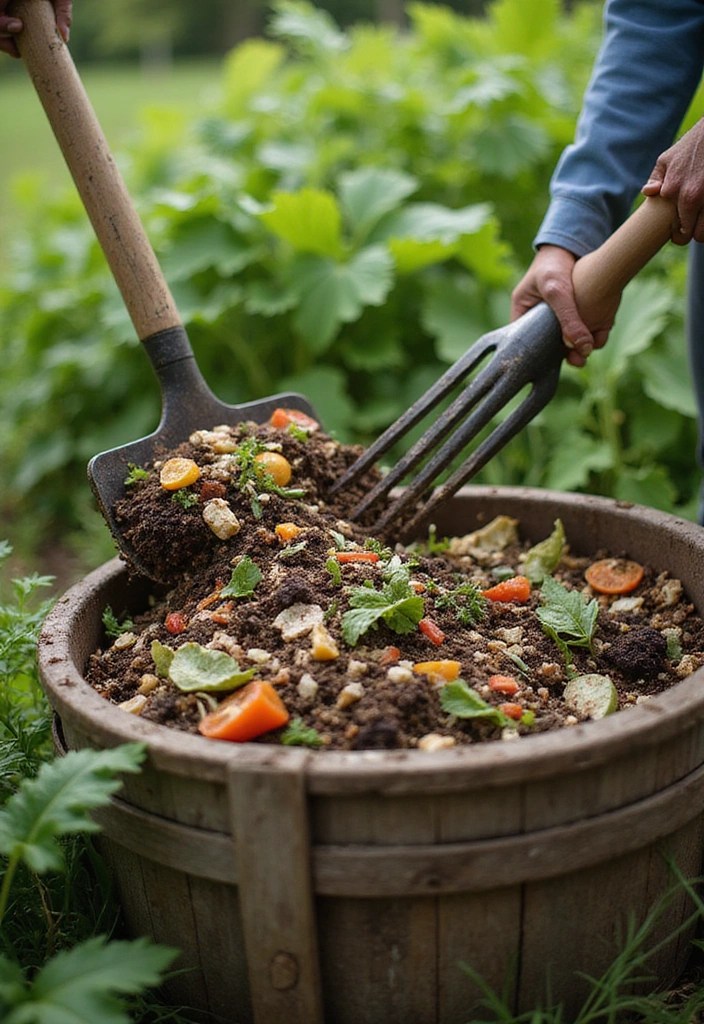
Creating your own compost is one of the most effective ways to enrich your garden soil organically. By starting a compost pile with kitchen scraps, yard waste, and dried leaves, you can transform these materials into nutrient-rich compost over time. To enhance this process, consider investing in a quality compost bin, which helps contain your compost and keeps it organized.
Regularly turning the pile with a compost aerator is essential, as it aerates the material and accelerates the decomposition process. Using compost not only reduces household waste but also provides your plants with the essential nutrients they need to thrive, leading to a healthier and more productive garden.
Product Recommendations:
10. Harvest at the Right Time
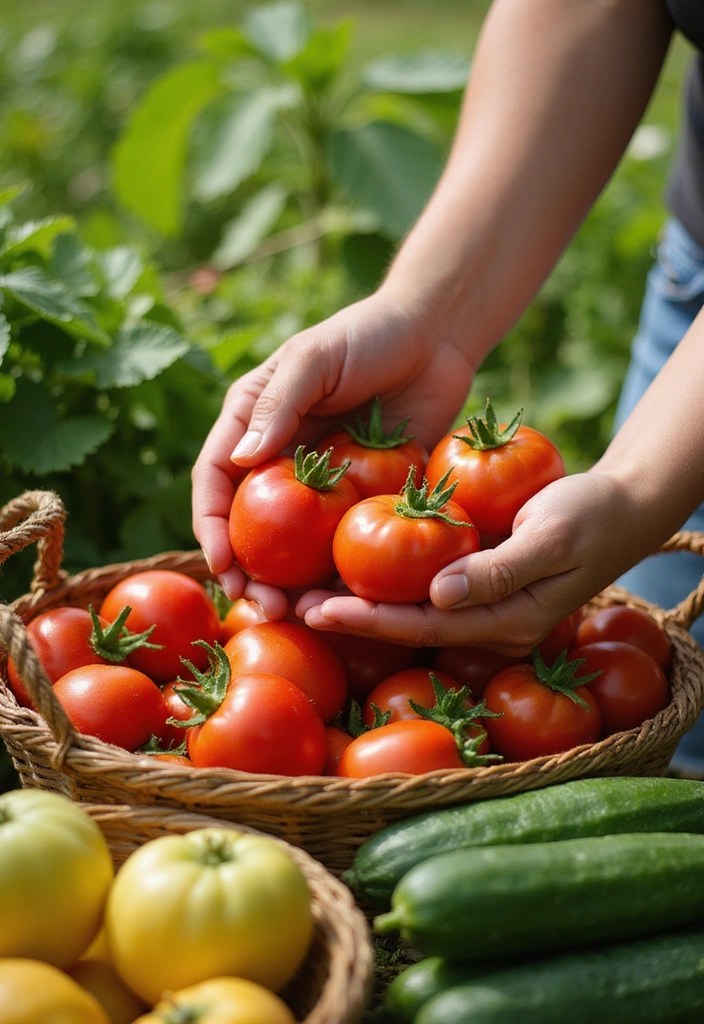
Knowing when to harvest your crops is essential for savoring the full flavor and nutritional benefits of your organic produce. Different plants exhibit various signs of readiness, such as changes in color or firmness.
Regularly checking your garden is crucial to ensure that you’re harvesting at peak ripeness, which not only enhances taste but also encourages further production. To make your harvesting experience easier and more efficient, consider using a reliable harvesting basket to collect your fresh produce.
Additionally, a comprehensive vegetable harvesting guide can help you identify the ideal harvest times for different crops, ensuring you maximize both flavor and yield. Embrace the art of timing in your garden to enjoy the fruits of your labor!
Product Recommendations:
11. Cover Crops for Soil Health

Cover crops are essential in organic gardening, offering numerous benefits such as preventing soil erosion, enhancing soil structure, and replenishing nutrients in the earth.
By planting cover crops like clover or rye during the off-season, you can effectively suppress weeds while boosting soil fertility. These crops, when tilled back into the soil, decompose and enrich it with valuable organic matter.
To get started, consider investing in high-quality cover crop seeds that are perfect for your gardening needs. Additionally, incorporating soil amendment products can further enhance the quality of your soil.
For those looking to plan their gardening activities effectively, a gardening planner can be a helpful tool to maintain soil health throughout the year. Embracing cover crops is a straightforward yet powerful strategy for nurturing your garden’s soil year-round.
Product Recommendations:
• High-quality cover crop seeds
• organic soil amendment products
12. Seasonal Planting Techniques
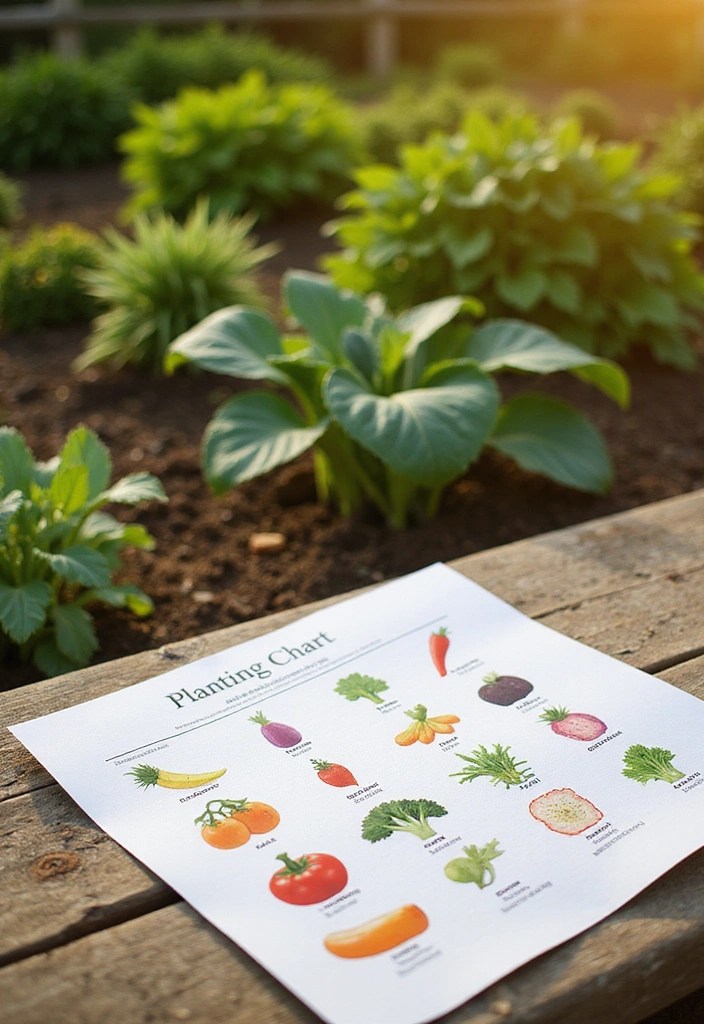
Understanding seasonal planting techniques is essential for maximizing your harvest throughout the year. One effective method is succession planting, where you stagger your sowing dates to ensure a continuous supply of fresh produce. To enhance your gardening experience, consider using a comprehensive seasonal planting guide that can provide valuable insights into the best times to plant various crops.
In addition, utilizing a gardening calendar can help you stay organized and informed about seasonal changes, allowing you to plan your planting schedule effectively. Don’t forget the importance of companion planting and leveraging microclimates in your garden to extend your growing season.
By being mindful of these techniques and incorporating high-quality organic seeds for diverse crops, you can keep your garden thriving throughout the different seasons, ensuring a bountiful harvest no matter the time of year.
Product Recommendations:
13. Use Organic Fertilizers
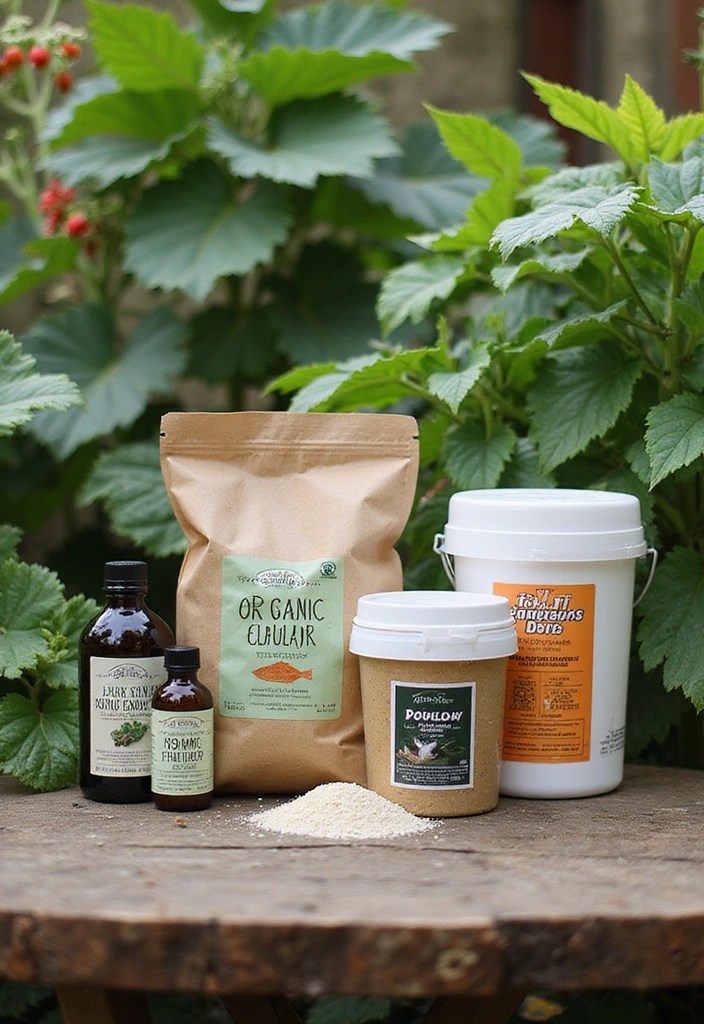
Organic fertilizers are a fantastic way to nourish your plants while avoiding the harmful effects often associated with synthetic alternatives.
Among the most popular organic options are fish emulsion, bone meal, and kelp meal. Each of these fertilizers provides unique benefits that can enhance your garden’s health.
By applying these organic fertilizers based on the specific needs of your plants, you can promote robust growth and increased yields, all while preserving the delicate balance of your garden’s ecosystem. Embrace these organic options to truly revolutionize your gardening experience!
Product Recommendations:
• Bone Meal Organic Fertilizer
• Kelp Meal Organic Fertilizer
14. Implementing No-Till Gardening
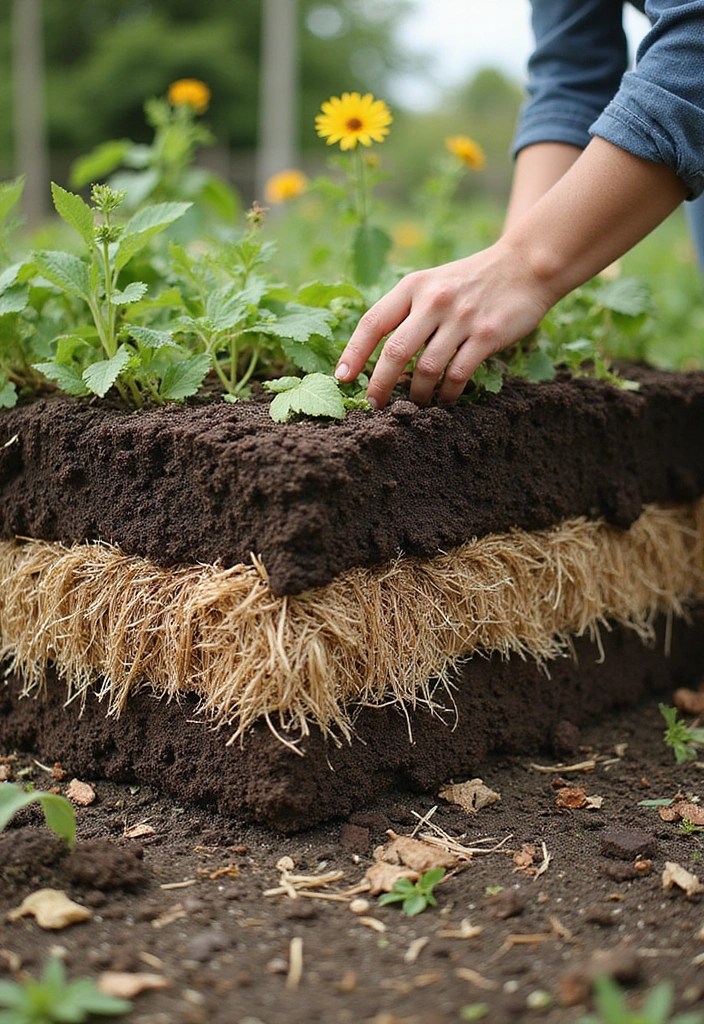
No-till gardening is an innovative practice that minimizes soil disturbance, fostering a healthier ecosystem within your garden. By layering organic materials on top of your existing soil instead of tilling, you not only preserve the soil’s natural structure but also enhance its biodiversity. This method allows beneficial organisms to thrive, ultimately leading to improved soil quality and more resilient plants.
To get started, consider investing in a comprehensive no-till gardening guide which offers valuable insights and techniques for successful implementation. Additionally, using high-quality organic mulch can further enrich your garden, as it aids in moisture retention and suppresses weeds, creating an optimal environment for your plants to thrive. Embracing no-till gardening can truly revolutionize your green thumb!
Product Recommendations:
• Gardening gloves with enhanced grip
15. Involve Your Community
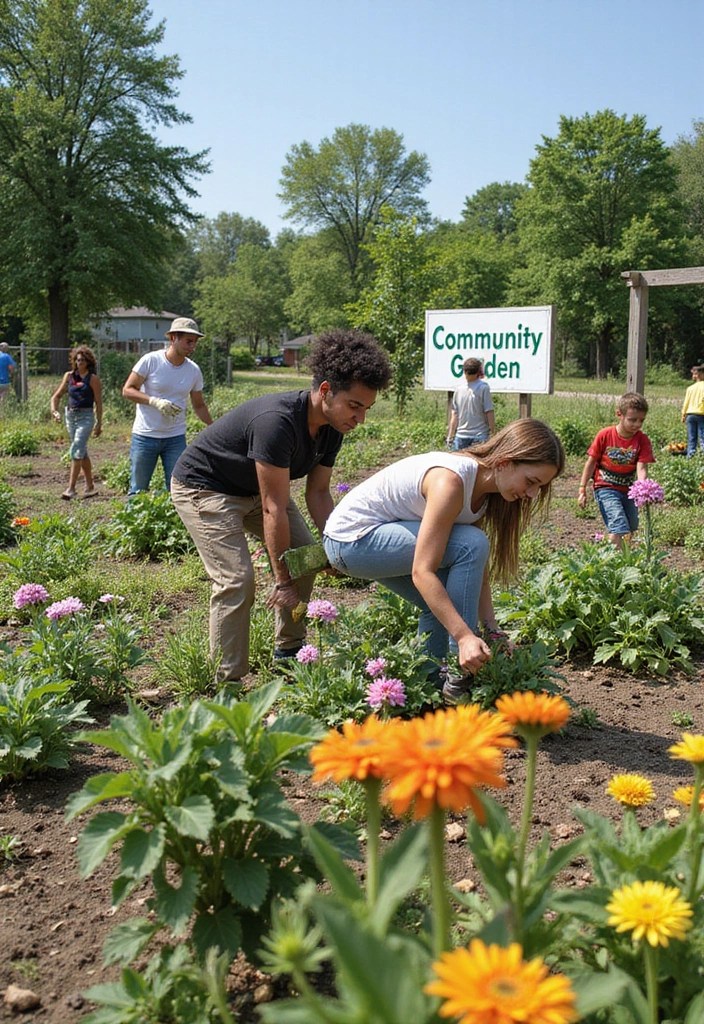
Engaging with your community can significantly enhance your organic gardening experience while promoting sustainable practices. Consider joining a local gardening club through this gardening club membership to connect with fellow gardening enthusiasts.
Participating in seed exchanges is another excellent way to share knowledge and resources; you can find great seed exchange kits that facilitate this process. Additionally, volunteering at community gardens allows you to collaborate with others, fostering friendships and sparking innovative ideas to support your gardening efforts.
Building a gardening community creates a vibrant network that encourages both personal growth and sustainability for everyone involved. Don’t miss out on the opportunity to enrich your gardening journey!
Product Recommendations:
• compost bin for organic waste
• gardening gloves for sustainable practices
16. Enjoy the Process

Finally, one of the most crucial secrets of organic gardening is to truly enjoy the process.
Take the time to connect with your plants, observe their growth, and appreciate the beauty of the natural world around you. Gardening can serve as a wonderful form of therapy, offering a much-needed opportunity to relax and unwind while nurturing new life.
Consider documenting your gardening journey with a gardening journal to celebrate your successes and reflect on the challenges you face along the way.
Additionally, why not enhance your gardening experience with an eco-friendly tea set? Enjoying a warm cup of tea as you tend to your plants can make the whole experience even more delightful. Embrace the journey, savor the moments, and cultivate your green thumb with joy!
Product Recommendations:
Conclusion
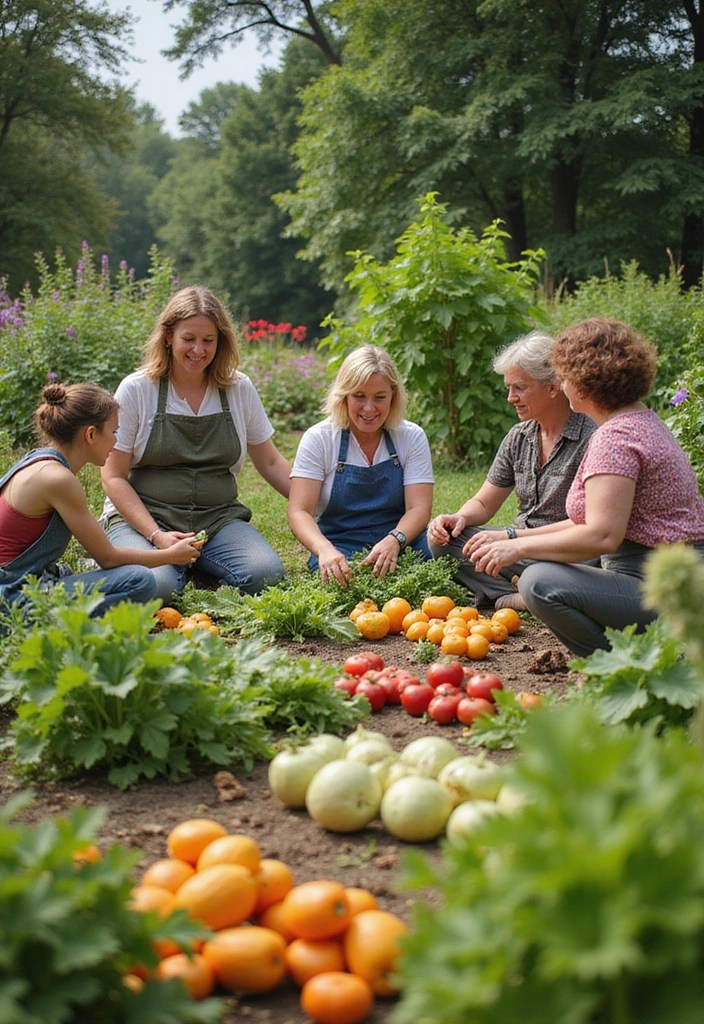
By implementing these 16 organic gardening secrets, you’re well on your way to creating a thriving, sustainable garden that benefits both you and the environment.
Remember, gardening is a journey filled with learning experiences and joy. Embrace each step, and let your green thumb flourish!
Share your gardening journey with friends and family, and inspire others to join the organic movement.
Note: We aim to provide accurate product links, but some may occasionally expire or become unavailable. If this happens, please search directly on Amazon for the product or a suitable alternative.
This post contains Amazon affiliate links, meaning I may earn a small commission if you purchase through my links, at no extra cost to you.
 Living Well: Everyday Inspiration for a Balanced, Joyful Life
Leave a comment