
Training your dog can sometimes feel like a daunting task, but it doesn’t have to be! With the right tips and tricks, you can turn your pup into a well-behaved companion without losing your sanity. This listicle is packed with 21 game-changing dog training tips that will make you wonder why you didn’t think of them sooner.
From teaching simple commands to tackling behavioral issues, these insights will not only improve your dog’s obedience but also strengthen the bond between you and your furry friend. Get ready to transform your training sessions into fun, engaging experiences!
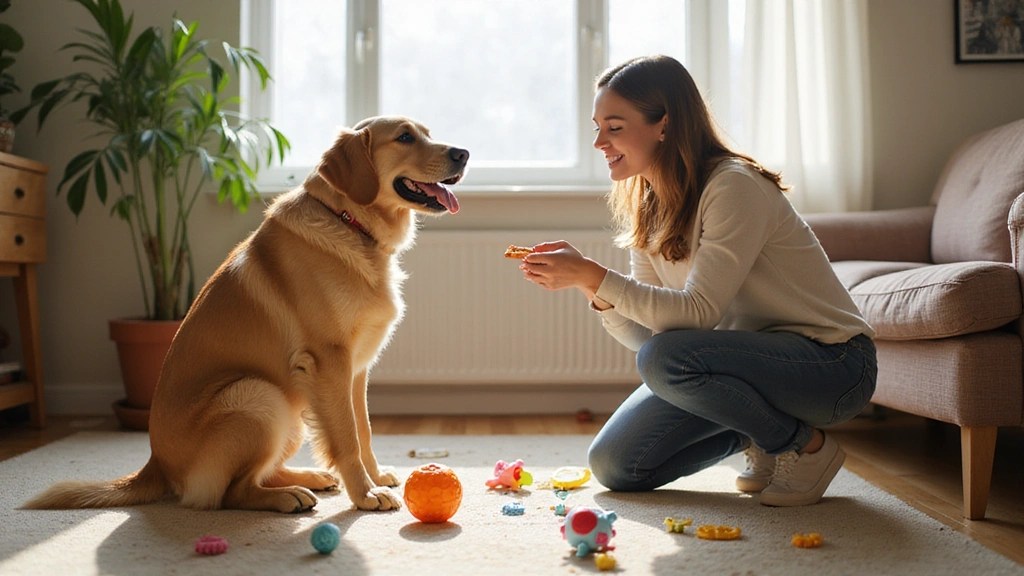
Imagine a cozy home environment where a happy dog is practicing commands with its owner in a sunlit living room filled with colorful dog toys and training treats scattered around. The atmosphere is warm and inviting, showcasing the joy of training. Bright, playful colors and the dynamic interaction between the owner and the dog would make this image pop.
Contents
- 1. Use Positive Reinforcement
- 2. Keep Training Sessions Short
- 3. Make Training a Game
- 4. Use Clear Commands
- 5. Socialize Your Dog Early
- 6. Be Patient and Consistent
- 7. Train in Different Environments
- 8. Use Body Language
- 9. Gradual Desensitization
- 10. Incorporate Training Into Daily Life
- 11. Teach the ‘Leave It’ Command
- 12. Be Mindful of Your Dog’s Energy Level
- 13. Use a Variety of Rewards
- 14. Practice the ‘Stay’ Command
- 15. Be Aware of Your Dog’s Distractions
- 16. Address Behavioral Issues Early
- 17. Teach Your Dog to ‘Come’
- 18. Use Interactive Toys for Training
- 19. Teach the ‘Down’ Command
- 20. Use Scent Training
- 21. Always End on a Positive Note
1. Use Positive Reinforcement

Positive reinforcement is a revolutionary approach in dog training that emphasizes rewarding good behavior rather than punishing bad actions. This method nurtures a loving and trusting bond between you and your furry friend. When your dog sits, stays, or successfully follows a command, shower them with high-value dog treats, affectionate praise, or even their favorite toy. By doing so, you not only enhance the effectiveness of your training sessions but also keep your dog motivated and excited about learning!
To maintain your dog’s interest, consider varying the rewards you use. While some dogs may respond enthusiastically to verbal praise, others might be more driven by tasty treats. Mixing it up can make the experience more engaging for your pup! It’s crucial to provide the reward immediately after the desired behavior so that your dog can clearly associate the action with the reward.
Additionally, keeping your training sessions short and enjoyable is key; aim for 5-10 minutes of focused training followed by some playtime to prevent boredom or overwhelm. To assist you in your training journey, a clicker for training can be a helpful tool to mark desired behaviors, while a training treat pouch can keep your rewards handy and accessible.
Incorporating positive reinforcement can truly transform your training experience. Dogs thrive on love and encouragement, and by using this method, you’ll see quicker results and a happier pup! Imagine a delightful scene where your dog is joyfully sitting and receiving a treat from you, both of you radiating happiness.
2. Keep Training Sessions Short
Long training sessions can lead to frustration for both you and your dog. Dogs, especially puppies, have short attention spans and can quickly lose interest. That’s why it’s essential to keep training sessions brief! Aim for 5-10 minute intervals throughout the day instead of one extended session.
Breaking training into shorter segments allows your dog to absorb information more effectively. It also gives them time to process what they’ve learned, making it easier to retain commands over time. Consider incorporating tools like dog training clickers to mark their successes during these brief sessions, enhancing their learning experience. Mix up your training topics each time; one moment you could be practicing ‘sit’, and the next, ‘stay’. This variety not only keeps your dog engaged but also excited about learning new commands.
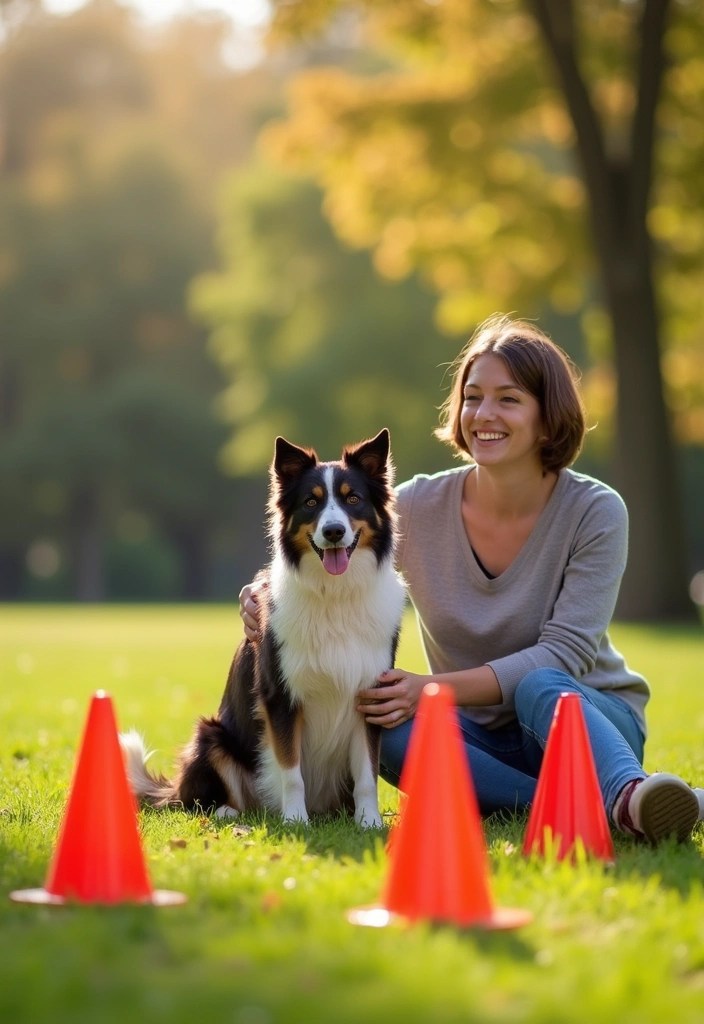
To make training even more fun, try using dog agility training equipment during your sessions. Always end on a positive note, even if your dog didn’t master the command perfectly. A quick game of fetch or some cuddles afterward can reinforce the enjoyable aspect of training, creating a happy balance between work and play. Imagine a vibrant scene in a park where a dog is sitting happily next to its owner, with a few training cones in the grass, ready to transition from training to playtime in the warm sun.
3. Make Training a Game
Who says training has to be dull? By turning training into a game, you can create an engaging experience for both you and your furry friend. Infusing elements of play into your training sessions will keep your pup excited and eager to learn. Consider incorporating activities like fetch with commands, hide-and-seek, or even setting up an agility tunnel for dogs to add some fun!
For example, when practicing recall, toss a toy or a treat away from you and encourage your dog to fetch it back. This method combines play with training, reinforcing the idea that returning to you leads to enjoyable moments. You can also use interactive dog toys as rewards during training, creating a playful association with learning.
Another entertaining idea is to play the “name game.” Call out your dog’s name and reward them when they look at you; this simple activity enhances their focus and strengthens your bond. The more enjoyable you make the training process, the more your dog will want to participate and learn.
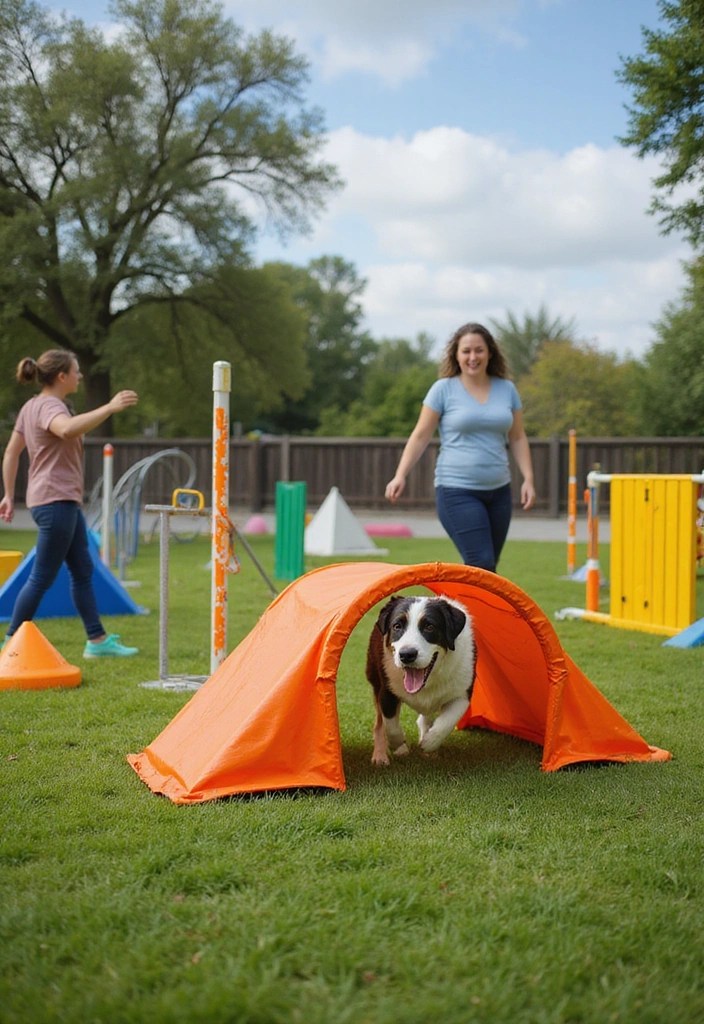
Imagine a vibrant yard filled with fun obstacles, where your dog joyfully navigates through tunnels and leaps over small hurdles while you cheer them on. You can also explore dog training games that make learning even more dynamic. This lively scene truly captures the joy of learning through play!
4. Use Clear Commands
Clarity is essential in dog training. When you use clear and consistent commands, it helps your dog grasp your expectations more effectively. Opt for simple words like ‘sit’, ‘stay’, and ‘come’ and commit to using them consistently. Lengthy phrases or variations can lead to confusion, so keep it straightforward.
Moreover, utilizing a consistent tone of voice for different commands enhances understanding. A cheerful, upbeat tone can motivate your dog, while a firm, authoritative tone is effective for commands that require concentration. This kind of consistency allows your dog to differentiate between playtime and training time.
Another powerful tool in your training arsenal is the use of hand signals. By pairing verbal commands with hand gestures, you can deepen your dog’s comprehension. For instance, while instructing your dog to ‘sit’, you can also gently raise your hand. Over time, your dog will learn to associate the command with the action, making it easier for them to respond correctly. To assist with your training journey, consider using dog training clickers for positive reinforcement, or refer to a hand signals training guide to enhance your techniques. Additionally, investing in dog training books can provide you with valuable insights and strategies.
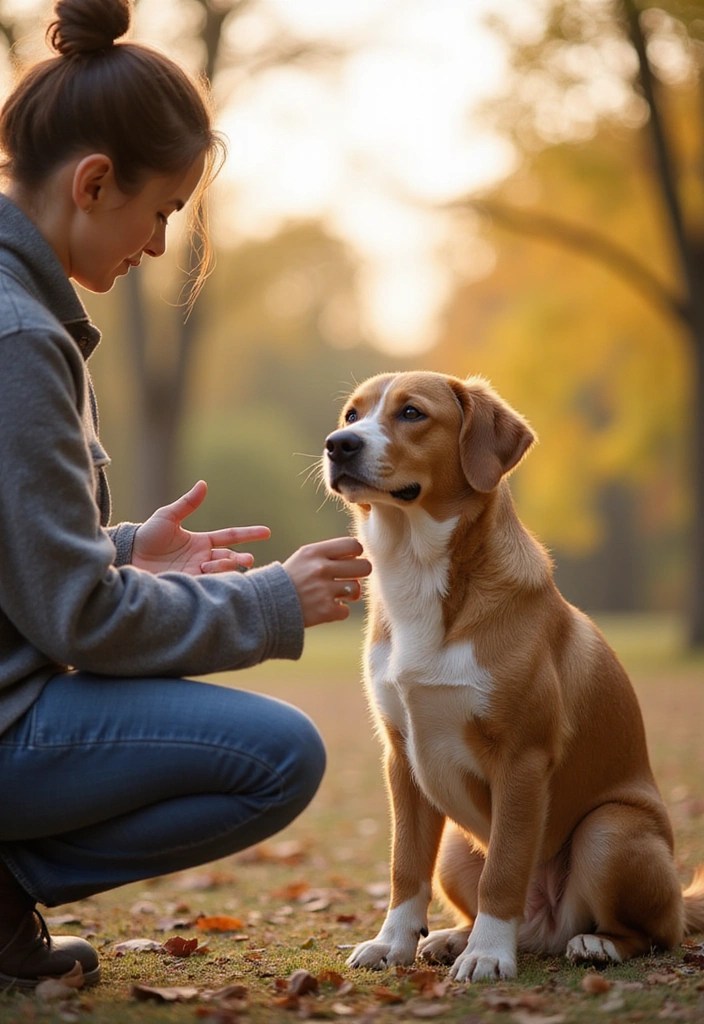
Imagine a focused training session where your dog is sitting beautifully, responding to your clear hand signals and verbal commands. The background softly blurs, emphasizing the connection and communication between you and your pup, showcasing the true power of using clear commands.
5. Socialize Your Dog Early

Socialization plays a crucial role in dog training that should never be overlooked. Introducing your puppy to a variety of people, environments, and other dogs during their formative months can significantly enhance their confidence and lessen anxiety in unfamiliar situations. It’s essential to expose them to different experiences early on.
Consider enrolling your puppy in dog socialization classes, which provide structured environments for interaction with other dogs and humans. Additionally, you can take them to parks, pet-friendly stores, or friends’ homes to meet new faces and furry friends. Positive experiences during socialization help shape a well-adjusted adult dog who is neither fearful nor overly aggressive.
Always supervise these encounters to ensure they’re beneficial. If your dog displays signs of anxiety or seems overwhelmed, it’s best to remove them from the situation and try again later. Gradual exposure is essential for success!
For guidance on effective training techniques, consider checking out puppy training books that can offer helpful insights. And don’t forget to bring along a portable dog water bottle to keep your puppy hydrated during these exciting outings. Imagine a bustling park filled with families and their dogs, where a young puppy joyfully interacts with others, embodying the happiness and thrill of socialization!
6. Be Patient and Consistent
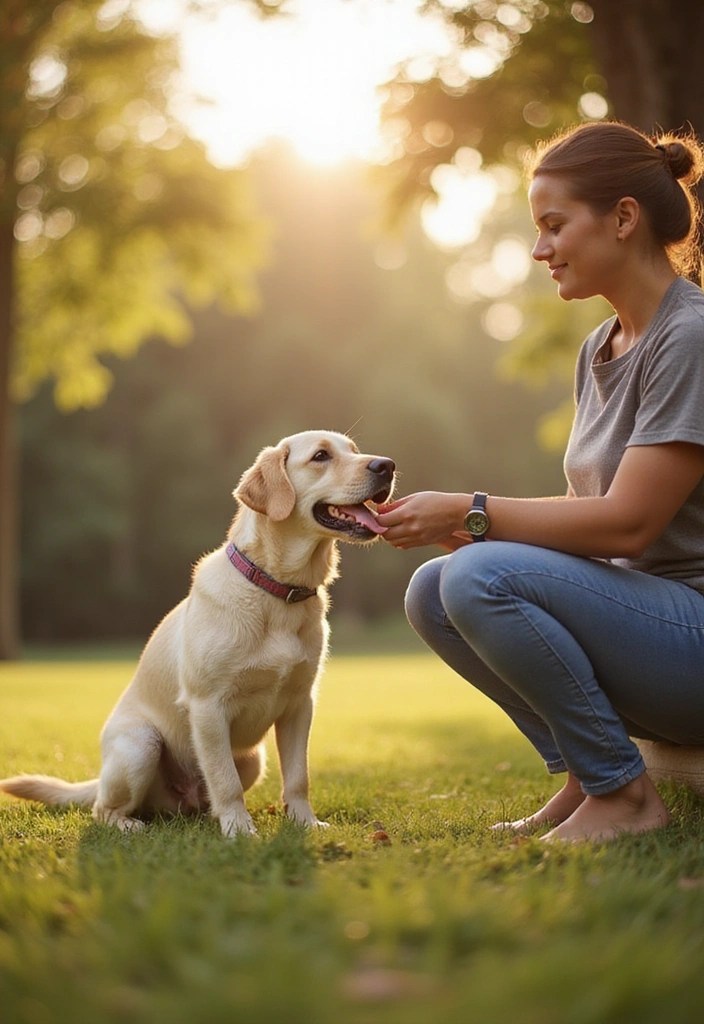
Training a dog is a journey that requires time, patience, and unwavering consistency. It’s crucial to remember that each dog learns at their own pace; some may grasp commands quickly, while others might take a bit longer to master them. Instead of allowing frustration to creep in, focus on celebrating small victories throughout the process.
Consistency is vital in successful training. By using the same commands and rewards each time, you help your dog understand what to expect, reinforcing their learning and fostering a sense of security. If you permit a behavior one day but discourage it the next, it can create confusion and hinder their progress.
To aid in your training efforts, consider keeping a dog training journal to track your dog’s development and set realistic goals for each session. Focus on one command at a time, slowly building their skills. Incorporating training into your daily routine, like during walks or playtime, can make it feel less like a chore and more like an enjoyable part of your day.
Additionally, using a clicker can enhance your training process by providing clear communication. For those seeking more structured guidance, a consistency training guide can be an invaluable resource. Picture a serene training environment, where a dog is patiently learning a command under the gentle encouragement of its owner, embodying the true essence of patience and consistency in dog training.
7. Train in Different Environments
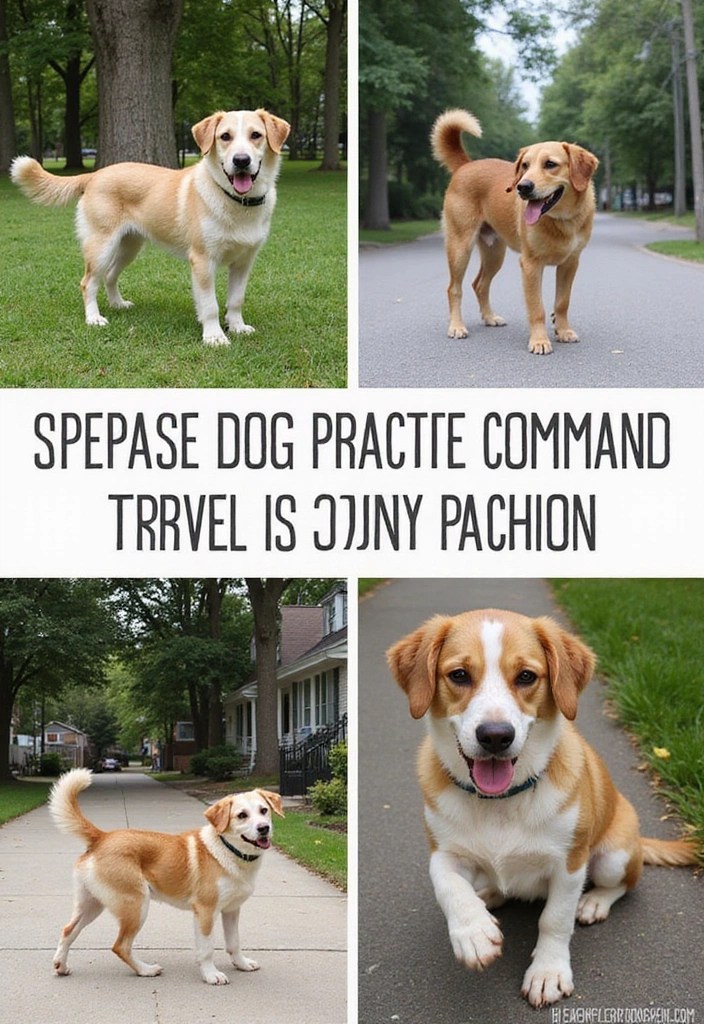
Training your dog in a variety of environments can greatly improve their obedience and adaptability. Many dogs tend to become accustomed to specific locations, such as your home or the backyard, making it essential to practice commands in diverse settings. By starting at home, then transitioning to your yard, and eventually exploring parks or busy streets, you introduce new distractions that help your dog learn to focus on you even amidst chaos. It’s akin to preparing them for real-world scenarios!
To facilitate this training, consider using portable training mats that provide a comfortable space for your dog to practice commands wherever you go. Additionally, having the right gear is crucial; dog leashes designed for different environments can help manage your dog safely in various settings.
Always pay attention to your dog’s comfort level. If they appear overwhelmed in a bustling environment, it’s wise to retreat to a quieter space and gradually reintroduce them to more distractions as their confidence grows. Picture a dog happily executing commands in multiple locations—a serene park, a lively street, and even a friend’s backyard. Each of these unique settings poses different challenges that highlight your dog’s developing skills, transforming their training into an engaging and dynamic experience.
For dogs that might be sensitive to noise or distractions, consider using noise-canceling dog collars to help them stay focused. With the right tools and consistent practice, your dog will thrive in any environment!
8. Use Body Language
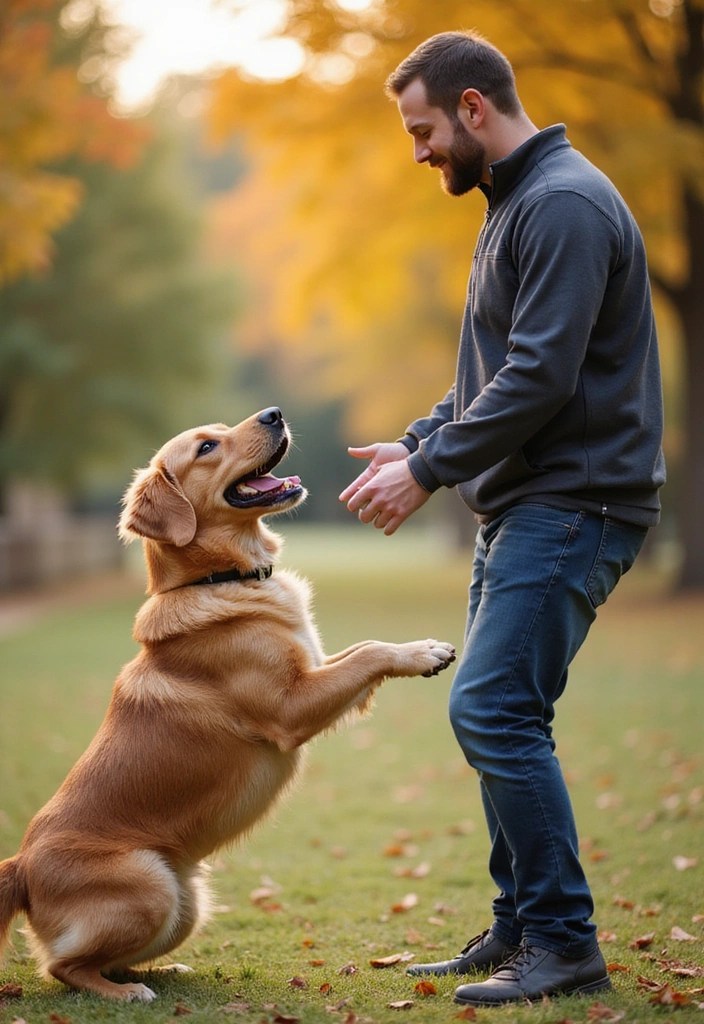
Dogs possess an extraordinary ability to read body language, often grasping non-verbal cues more effectively than spoken commands. By integrating your physical gestures into training, you can significantly enhance communication and reinforce your commands. For example, leaning forward can express excitement or encouragement, while standing tall may convey authority.
To further improve your training sessions, consider utilizing dog training body language guides that provide insights into how to effectively use your posture and gestures. Additionally, employing hand signals training tools can create a clearer and more engaging message for your dog. This combination not only enhances their responsiveness but also strengthens the bond you share.
It’s crucial to be aware of your own posture during these sessions; if you appear anxious or frustrated, your dog may pick up on these signals and feel uneasy as well. Strive to maintain a positive and relaxed demeanor throughout your training, which is vital for successful outcomes. Imagine a scenario where your dog eagerly responds to your animated body language and clear hand signals, illustrating the powerful impact of effectively using body language in dog training. For further reading, explore dog training books that delve deeper into these techniques.
9. Gradual Desensitization
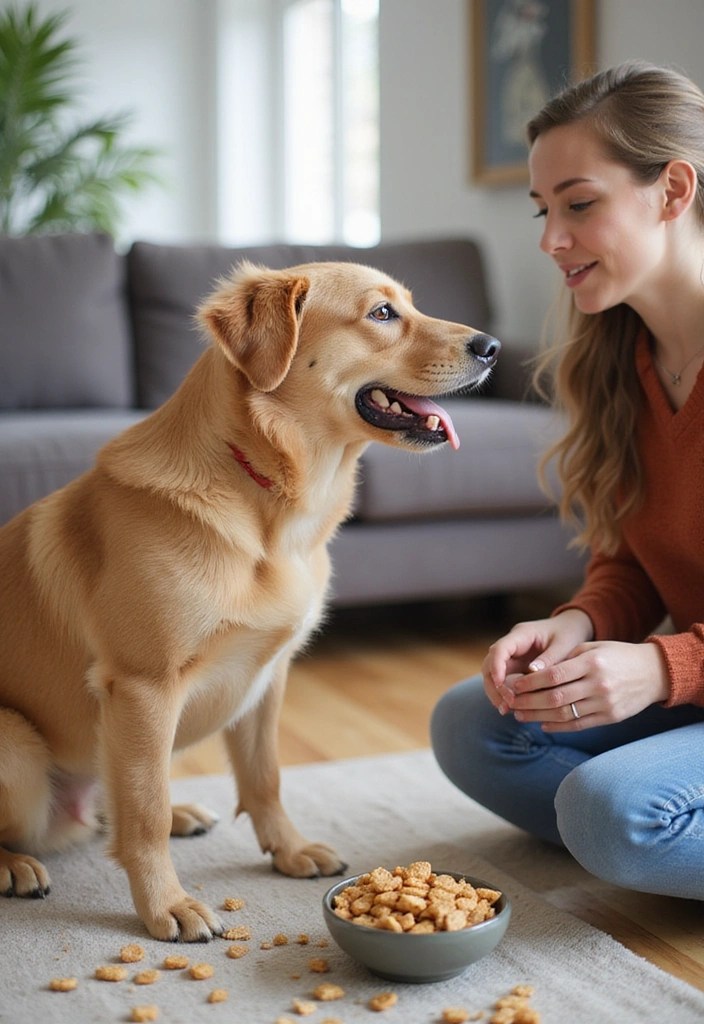
If your dog struggles with fear or reactivity to certain stimuli, gradual desensitization can be an effective solution. This approach involves gently exposing your dog to the source of their fear in a controlled environment, allowing them to adapt without feeling overwhelmed. For instance, if your dog is scared of loud noises, you can start by playing a desensitization sound CD featuring softer versions of those sounds, rewarding calm behavior with treats.
As your dog becomes more comfortable, gradually increase the intensity of the stimuli while consistently offering praise and calming dog treats to reinforce positive responses. This technique can be applied to a variety of fears, including encounters with other dogs, strangers, or new environments.
Remember, patience is key, as it may take time for your dog to fully adjust. Always prioritize your dog’s sense of safety; if they exhibit signs of distress, take a step back and allow them to acclimate at their own pace. With time, positive reinforcement, and the right anxiety-reducing products, you can help your dog build confidence in challenging situations. Picture a nurturing training session where your dog is gradually introduced to a loud sound, with you providing reassurance and tasty rewards, highlighting the significance of gradual desensitization in creating a more confident canine companion.
10. Incorporate Training Into Daily Life
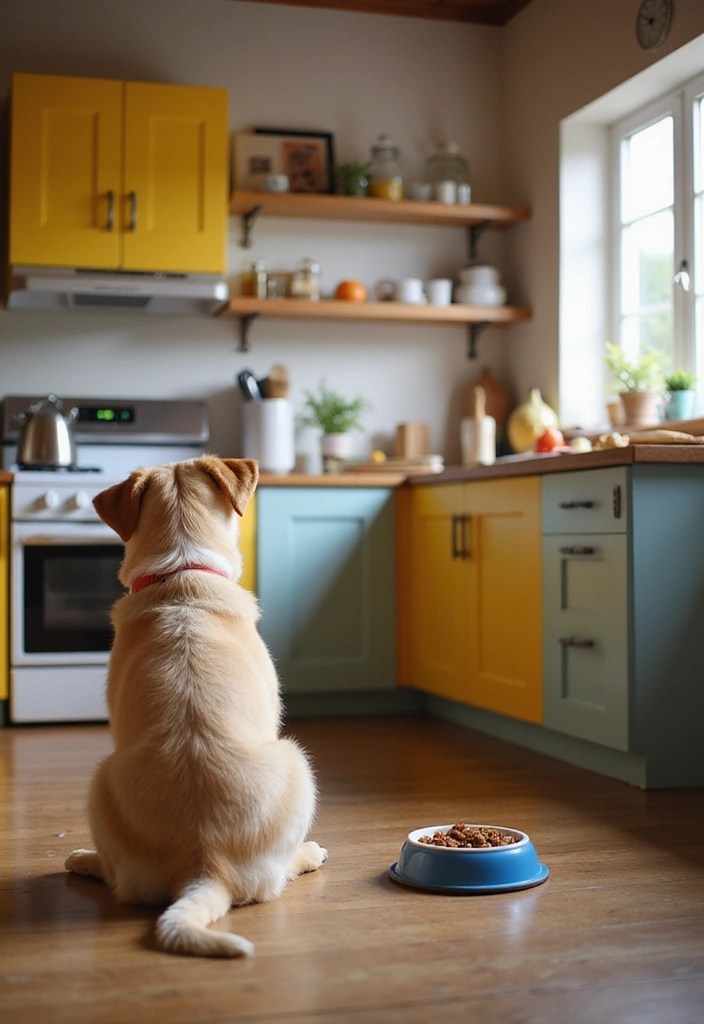
Integrating training into your daily routine can transform learning into a fun and natural part of your dog’s life. Utilize everyday moments, such as mealtime or walks, to reinforce commands effortlessly. For example, have your dog sit before you place their food bowl down, which can be enhanced with food training bowls that encourage patience and proper eating habits.
During walks, practice the ‘heel’ command, helping your dog learn to walk politely beside you. This approach not only solidifies training but also establishes that good behavior is expected in all situations. Keep the atmosphere light-hearted and enjoyable! You can even turn routine household chores into training moments by asking your dog to fetch a specific item or to ‘stay’ while you vacuum.
To make these interactions even more engaging, consider using interactive treat dispensing toys that reward your dog for good behavior during daily tasks. And don’t forget to always celebrate their successes with a pat on the head or a treat from a convenient dog training treat bag, reinforcing the idea that their positive actions are appreciated.
Imagine a lively kitchen scene where a dog eagerly sits in front of its owner, excitedly waiting for their food bowl, surrounded by a vibrant atmosphere that reflects the joy of incorporating training into everyday life!
11. Teach the ‘Leave It’ Command
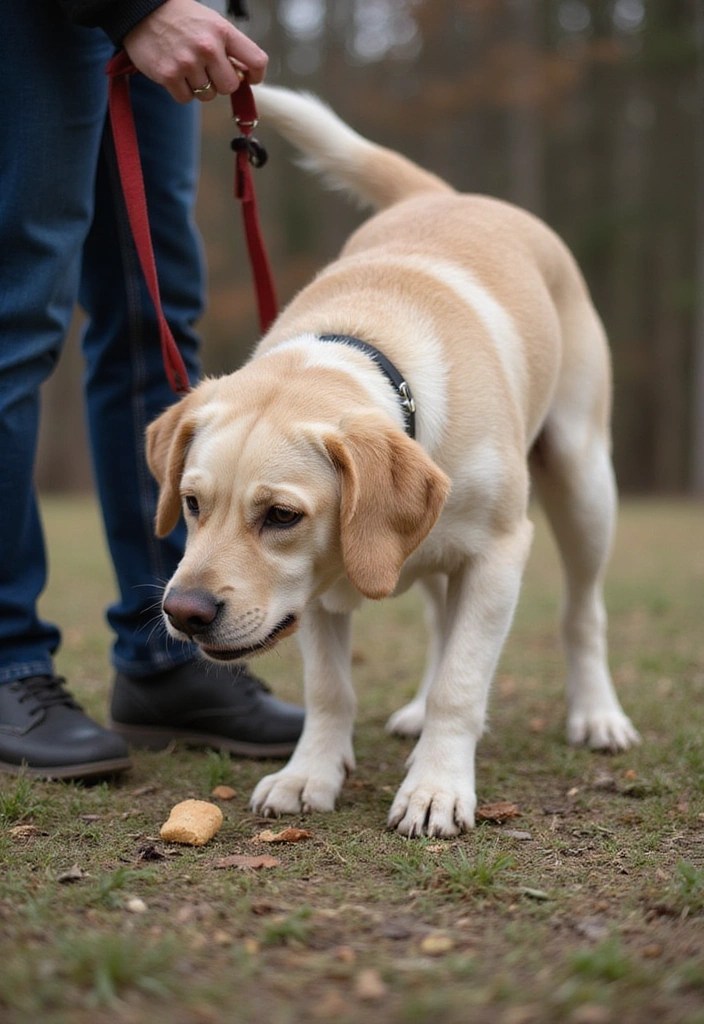
The ‘leave it’ command is an essential skill that can significantly enhance your dog’s safety by preventing them from ingesting harmful objects or getting into risky situations. To start teaching this command, place a treat on the ground and cover it with your hand. As your dog attempts to reach for the treat, calmly say ‘leave it’ and wait for them to back away.
To make training more effective, consider using a training clicker to mark the behavior you want to encourage. Once your dog grasps the command, you can gradually increase the challenge by placing the treat in visible locations. Always reward them with a treat, such as training treats, when they successfully leave the item alone.
Incorporate the ‘leave it’ command into various real-life scenarios, like during walks or when distractions arise at home. Consistent practice will help reinforce this command, making it second nature for your pup. To further engage your dog and make training fun, consider using interactive training games that promote impulse control and safety, creating a focused training environment where your dog learns the importance of self-restraint.
12. Be Mindful of Your Dog’s Energy Level
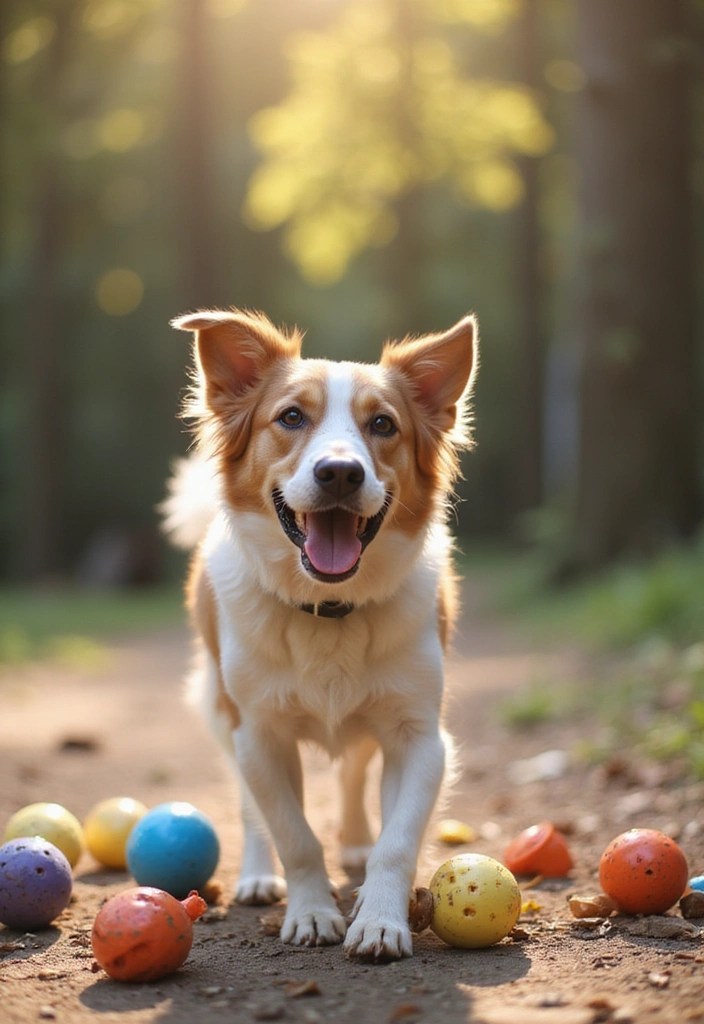
Every dog possesses a distinct energy level, and being mindful of this characteristic can significantly enhance your training sessions. High-energy dogs often require ample physical activity to expend some of their excess energy before they can focus effectively on training. Engaging them with dog agility equipment or interactive play can make a world of difference. Conversely, low-energy dogs may thrive with shorter and more relaxed training sessions, so adjusting your approach is crucial.
For those high-energy breeds, incorporating plenty of playtime or exercise prior to training is essential. Utilizing interactive puzzle toys can help burn off excess energy while keeping their minds engaged. Meanwhile, if your dog has a naturally calm demeanor, extensive warm-ups might not be necessary.
Always pay close attention to your dog’s body language during training. Signs of restlessness or distraction may indicate they need a break or a change of activity. Adjusting your training methods based on their energy levels can greatly enhance their learning experience. Imagine a vibrant training session where a high-energy dog eagerly participates in exercises before settling down for commands, fueled by high-energy dog treats. This lively scene perfectly illustrates the balance of energy and focus that is key to successful training.
13. Use a Variety of Rewards

Not all dogs respond to the same rewards, which is why incorporating a variety of incentives can keep your training sessions fresh and engaging. Different dogs have unique preferences, so it’s a great idea to experiment with a mix of treats, toys, praise, and even playtime to discover what truly excites your canine companion!
For example, some dogs might go wild for their favorite variety dog treats pack, while others may find more joy in interactive toys like these interactive toys. Alternating between different types of rewards not only keeps your dog engaged but also enhances their motivation throughout the training process.
Don’t overlook the importance of timely rewards! Providing immediate praise or treats after your dog follows a command helps them make the connection between their action and the positive outcome, which facilitates easier learning. Consider using a dog training reward pouch to keep your rewards handy and accessible during training sessions.
Picture a vibrant training scene filled with an array of toys and treats, where your dog responds enthusiastically to the diverse rewards you offer. The atmosphere is lively and playful, showcasing the joy of utilizing various incentives during your training journey!
14. Practice the ‘Stay’ Command
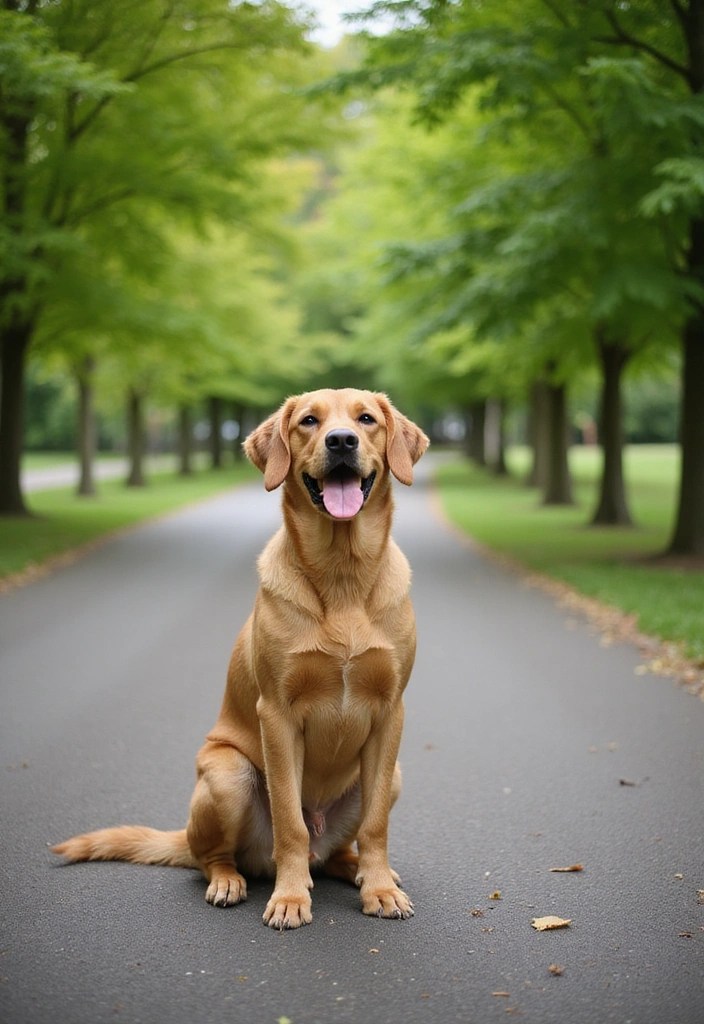
The ‘stay’ command is crucial for your dog’s safety and ability to follow instructions in various situations. To begin, have your dog sit, then calmly say ‘stay’ while you slowly back away. If your dog remains in position, reward them with a treat, which you can find here, along with praise or a toy. As your dog becomes more comfortable, gradually increase the distance and duration of the stay command to further challenge them.
Always remember to reward your dog for successfully staying put. If they break the command, gently guide them back to their original spot and try again. Consistency is essential, and with dedicated practice, your dog will learn that ‘stay’ means they should stay where they are until you give them permission to move.
Incorporate the ‘stay’ command during walks, when visitors arrive, or in busy environments to help your dog maintain calmness and focus. This command is not just about obedience; it also teaches impulse control, which is vital for their well-being. For additional guidance, consider investing in dog training books available here. You might also find that using training clickers can enhance your training sessions, and you can get them here.
Imagine a tranquil scene where your dog is sitting calmly in a park, successfully maintaining the ‘stay’ command while you walk away, surrounded by lush greenery that highlights your dog’s focus and composure during this training exercise.
15. Be Aware of Your Dog’s Distractions
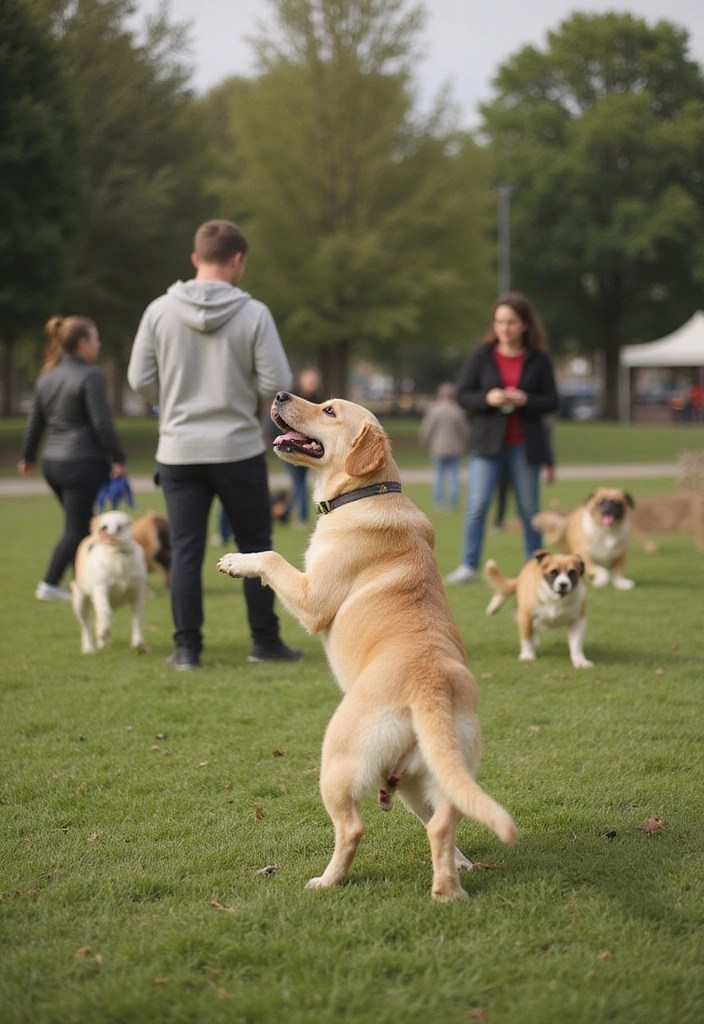
Every dog has its unique set of distractions that can influence their training experience. It’s crucial to identify these distractions and work on minimizing them during your training sessions. Whether it’s the presence of other dogs, loud noises, or even enticing food scents, recognizing what diverts your dog’s attention allows you to establish a more focused training environment.
Begin your training in a quiet space with minimal interruptions. As your dog gains confidence, you can gradually introduce distractions, such as other animals. For instance, if your dog tends to be easily distracted by other pets, practicing commands in a controlled environment with friendly dogs nearby can help them learn to concentrate on you despite the surrounding activity.
To enhance your training sessions, consider incorporating high-value training treats. These treats serve as an excellent motivator when distractions are present, encouraging your dog to focus on you rather than what’s happening around them. Additionally, using distraction training toys can further assist in honing their concentration skills.
With consistent practice and the right tools, your dog will gradually improve their ability to ignore potential distractions. Picture a vibrant scene where a dog is successfully honing in on its owner during a training session in a bustling park filled with other dogs and people, showcasing the significant progress made in overcoming distractions. For more structured guidance, check out dog training guides that can provide valuable insights on effective training techniques.
16. Address Behavioral Issues Early
Addressing behavioral issues early is crucial in preventing them from becoming ingrained habits in your dog. Whether your pet is barking, digging, or chewing on furniture, it’s essential to recognize these behaviors and tackle them promptly. Start by identifying the root cause; for instance, excessive barking may arise from boredom, fear, or a desire for attention.
Once you grasp why your dog behaves a certain way, you can develop a tailored training plan that addresses the specific issue. Incorporating redirection toys can be a great way to distract your dog from unwanted behaviors by engaging them in more positive activities. Additionally, using positive reinforcement training tools will help you reward your dog for good behavior, reinforcing the actions you want to encourage.
Consistency in your approach is key. If you allow certain behaviors at times but correct them at others, your dog may become confused about what is acceptable. Be patient and persistent in your training efforts, and over time, you’ll likely see significant improvements. For further guidance, consider exploring dog training behavior books that can provide you with additional strategies and insights.
17. Teach Your Dog to ‘Come’
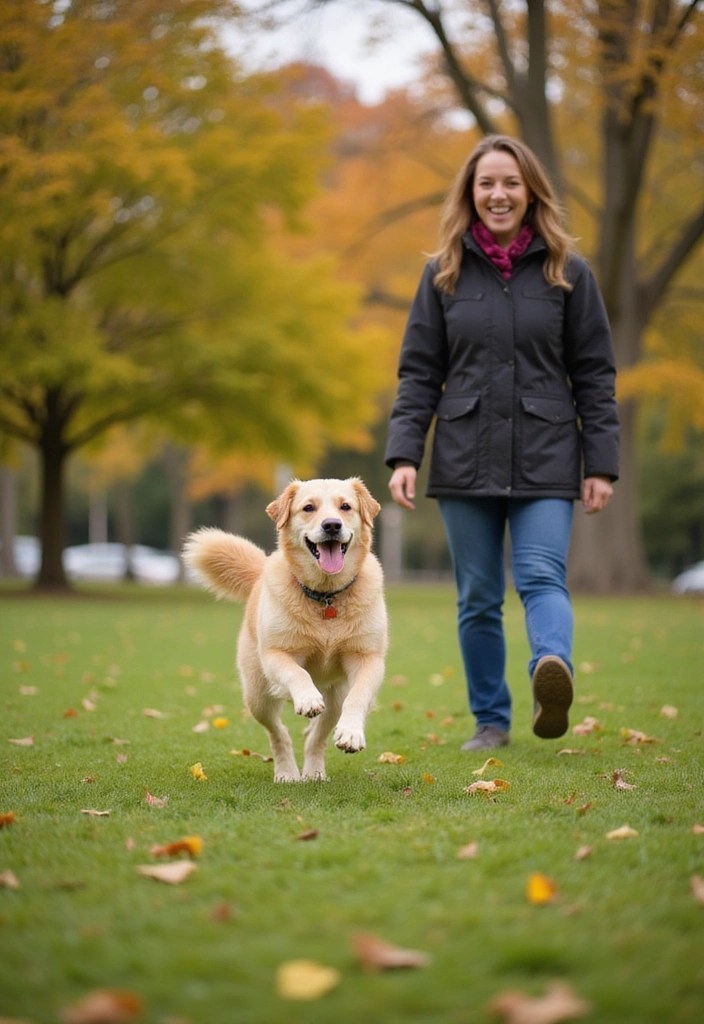
Teaching your dog to come when called is crucial for their safety and well-being. Begin this training using a long leash, which you can find here, in a secure and enclosed area. Call your dog’s name followed by ‘come’ in an upbeat and cheerful tone. When they approach you, reward them immediately with high-value treats, which you can purchase here, along with plenty of praise. This method of positive reinforcement helps your dog to associate coming to you with enjoyable experiences!
Make sure to practice this command regularly, gradually increasing the distance between you and your dog. It’s essential that your dog feels safe and comfortable during these sessions. Avoid calling them for negative experiences, such as bath time or trips to the vet, to prevent any negative associations with the command.
Integrate the ‘come’ command into your daily activities, whether it’s during playtime with interactive training games you can find here, or while out on walks. The more you incorporate this command into various situations, the more reliable your dog will become at responding when called.
Imagine a lively park scene where a dog is joyfully sprinting towards its owner, who is calling them with open arms, creating an atmosphere filled with excitement and happiness. This is the delightful outcome of mastering the ‘come’ command!
18. Use Interactive Toys for Training
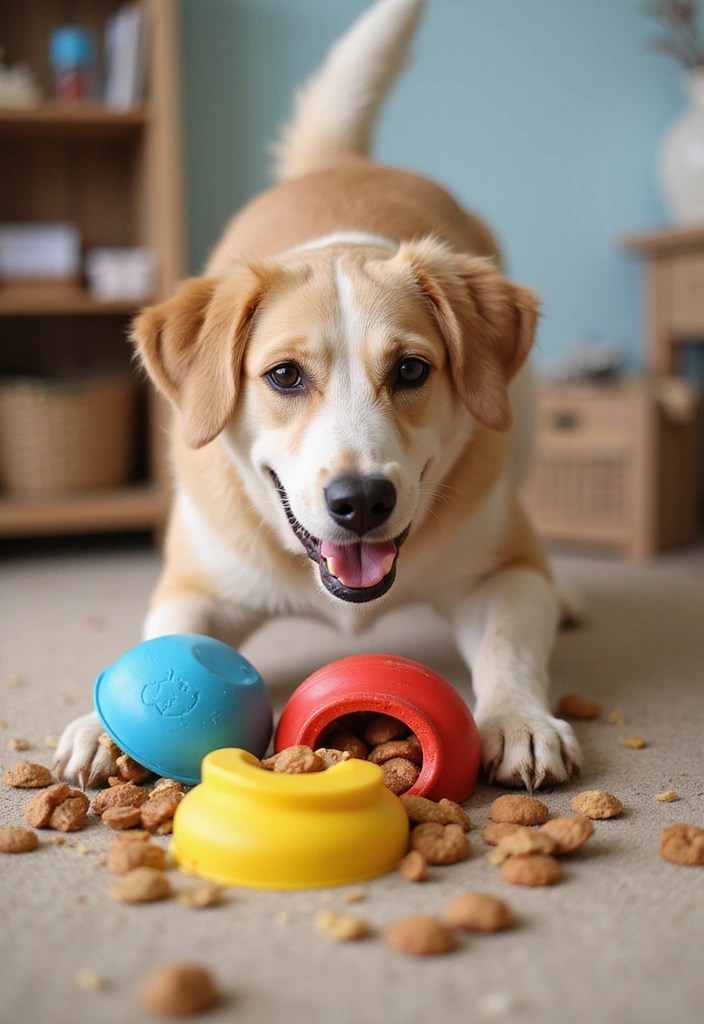
Interactive toys serve as an excellent resource for training while simultaneously keeping your dog mentally stimulated. These engaging toys not only reinforce commands but also enhance your dog’s problem-solving abilities and offer positive ways to expend energy. By incorporating interactive toys during training sessions, you can create a fun and dynamic environment that makes learning enjoyable.
For instance, consider using interactive puzzle toys that challenge your dog to figure out how to access the treats inside. This not only encourages critical thinking but also rewards them for their efforts. Additionally, treat-dispensing toys, such as the treat-dispensing toys, can be excellent for reinforcing successful command completion.
Remember to supervise your dog while they engage with these toys to ensure they are safe and not chewing on anything inappropriate. Rotating their toys regularly will help maintain their interest and engagement. Imagine a lively training scene where your dog eagerly tackles a puzzle toy, colorful treats spilling out as they solve it, creating a joyful and stimulating atmosphere that highlights the advantages of using interactive toys in your training regimen. For further enrichment, you can explore dog training games that provide even more opportunities for learning and fun.
19. Teach the ‘Down’ Command
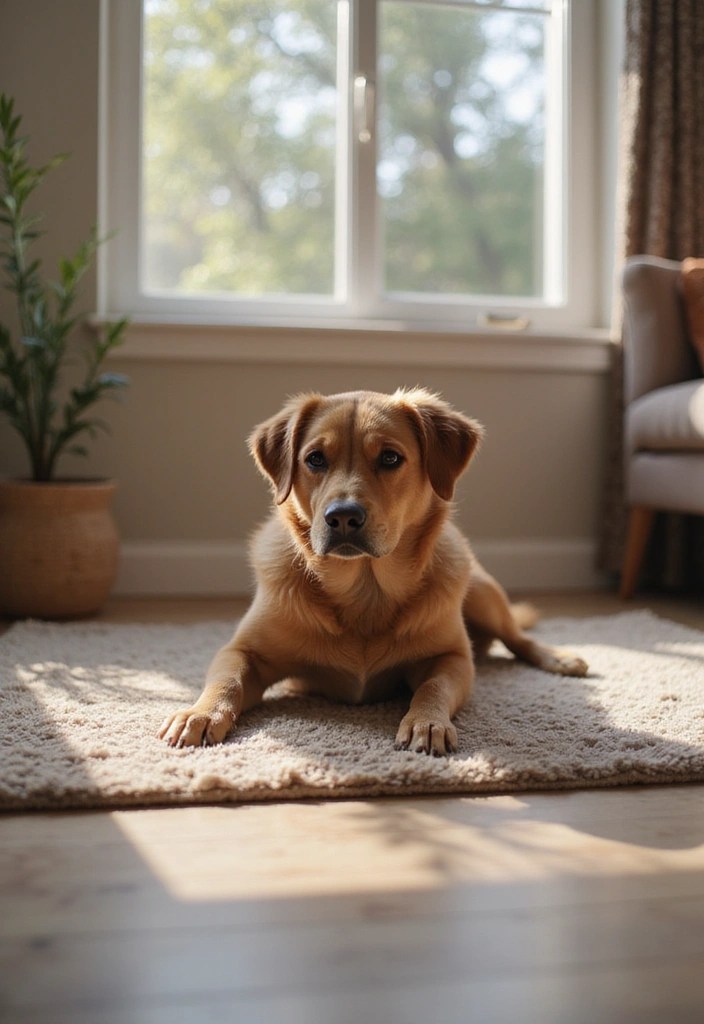
The ‘down’ command is a fundamental skill that greatly enhances your dog’s impulse control and promotes calm behavior. To begin, have your dog sit, then take a high-value treat, like those found in these delicious training treats, and hold it close to the ground. Lure your dog downwards while saying ‘down,’ and reward them as soon as they are lying down.
Consistency is key, so practice this command regularly, as it might take some time for your dog to fully grasp the cue. To assist in your training, consider using a training clicker to mark the desired behavior, which can help your dog make the connection between the command and the action.
As your dog becomes more proficient, gradually increase the distance and duration of the command, rewarding them for maintaining the ‘down’ position. Incorporating this command in various environments will reinforce their learning. This command is particularly beneficial during scenarios where you’d like your dog to settle down, such as when guests arrive or during mealtimes.
Imagine a serene scene where your dog is comfortably lying on a soft rug, peacefully responding to the ‘down’ command. Such moments highlight the importance of calm behavior and impulse control in dog training. For further guidance, you might also explore dog training books that can provide additional tips and techniques.
20. Use Scent Training
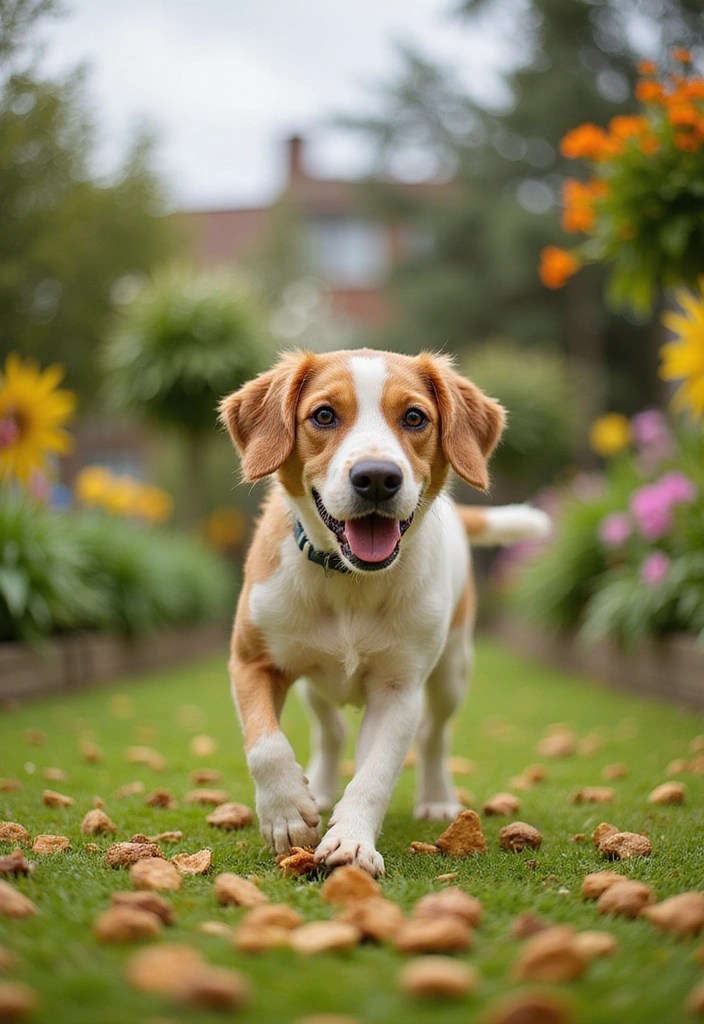
Scent training is an exciting and interactive way to engage your dog’s mind while improving their focus and obedience. With their incredible sense of smell, dogs can enjoy a variety of activities that leverage this natural ability. You can start by using scent training kits to hide treats around your home or yard, encouraging your pup to sniff them out.
To make it even more fun, create a scent trail by dragging a treat along the ground to lead your dog to a hidden prize. This method provides mental stimulation and reinforces the idea that their nose is a powerful tool for finding rewards. As your dog gets the hang of it, you can increase the challenge by hiding treats in more difficult spots or incorporating dog training scent games into your sessions.
Additionally, consider using interactive treat dispensers to keep your dog engaged and excited while they hone their scent detection skills. Scent training not only enhances your dog’s natural instincts but also strengthens the bond between you both, creating joyful moments filled with curiosity and exploration.
21. Always End on a Positive Note
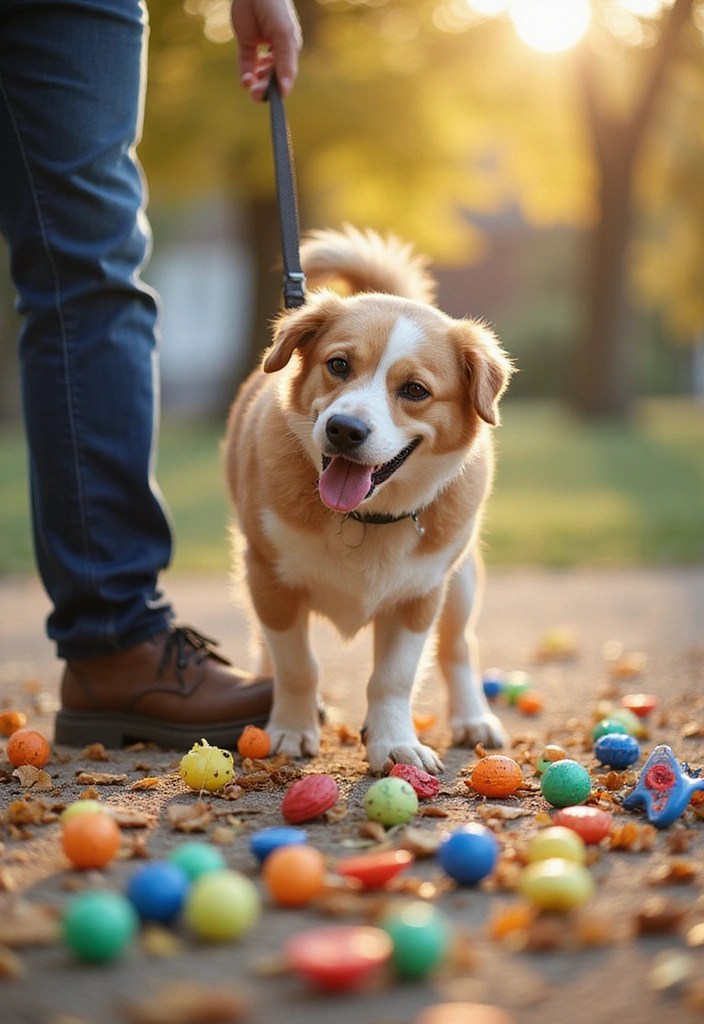
Ending each training session on a positive note is essential for keeping your dog excited about learning. Regardless of how the session progressed, always reward your furry friend with a high-value treat, such as those found in these high-value treats, praise, or even a fun game at the end. This approach reinforces the notion that training is a rewarding experience, making your dog eager for the next session.
If your dog faced challenges with specific commands, focus on their successes, no matter how minor they may seem. This practice boosts their confidence and keeps them motivated to improve. Aim to conclude with a command they are already familiar with, allowing them to experience success and feel accomplished.
Incorporating some playtime with dog training games or their favorite interactive toys, like those available here, can serve as an excellent reward for completing a training session. This not only strengthens the bond between you and your dog but also helps them associate training with fun and enjoyment.
Imagine a joyful scene where your dog is playfully engaging with you after a training session, surrounded by colorful toys and laughter. The vibrant and happy atmosphere highlights the importance of positivity in dog training, ensuring that your furry companion looks forward to every lesson.
Conclusion
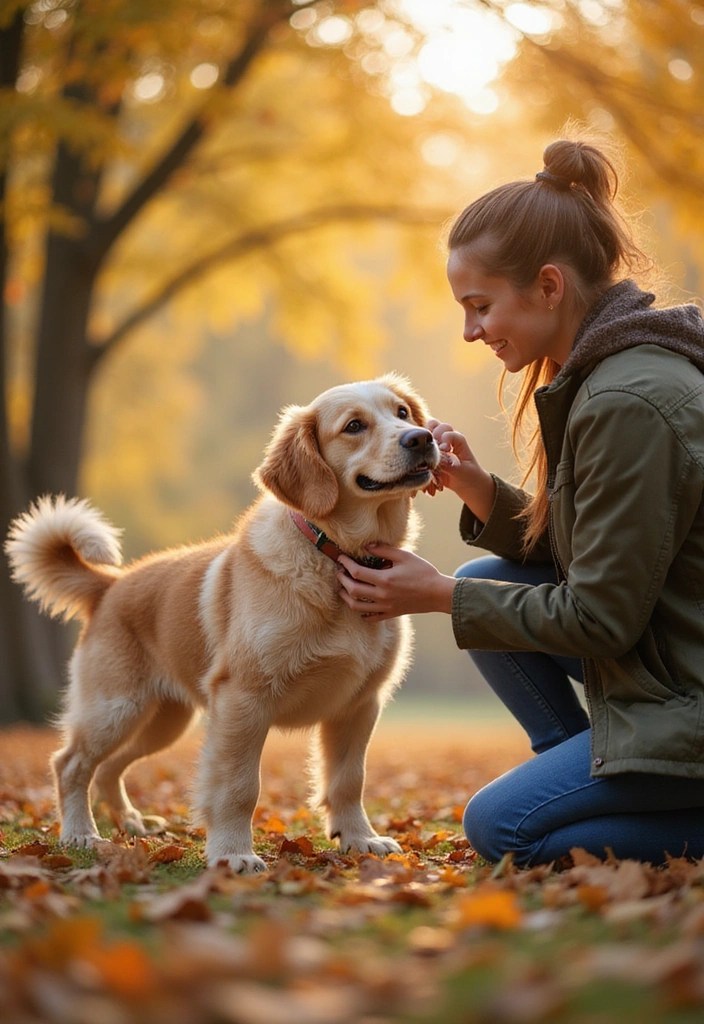
Incorporating these 21 dog training tips into your routine can revolutionize your training experience, turning it into a fun and rewarding journey for both you and your furry friend. Remember, patience, consistency, and love are the keys to successful training.
As you explore these techniques, you’ll discover new ways to connect with your dog, making training a cherished part of your daily life. Share your training successes and favorite tips with fellow dog lovers, and let’s keep celebrating our furry companions together!
Imagine a heartwarming scene of a dog and its owner happily interacting, surrounded by joyful elements of training and play. This captures the bond between them, emphasizing the rewarding nature of dog training.
Note: We aim to provide accurate product links, but some may occasionally expire or become unavailable. If this happens, please search directly on Amazon for the product or a suitable alternative.
This post contains Amazon affiliate links, meaning I may earn a small commission if you purchase through my links, at no extra cost to you.

 Living Well: Everyday Inspiration for a Balanced Life