
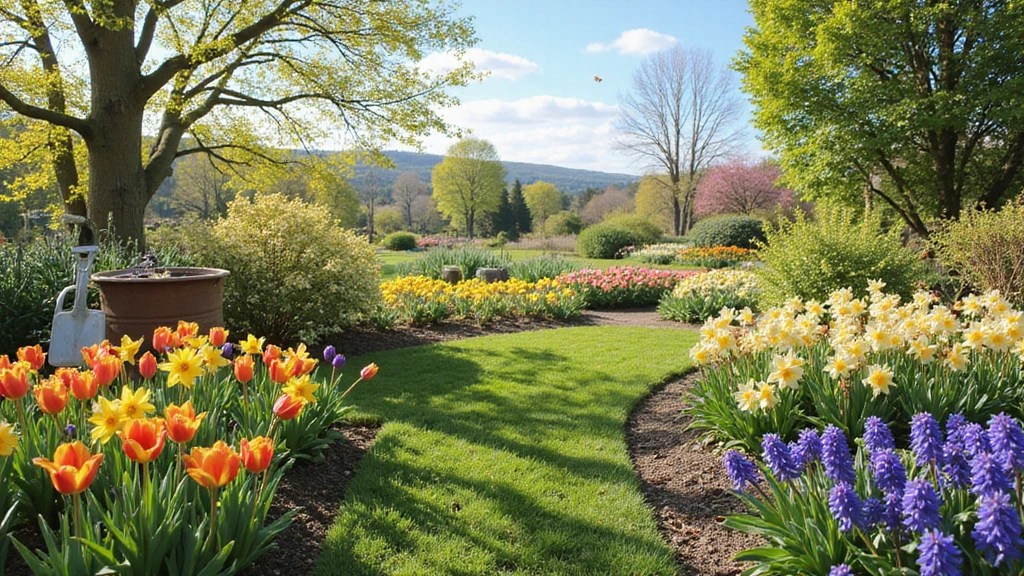
Spring is here and it’s time to transform your garden into a vibrant oasis! With the right tips, your flower garden can burst into life, bringing joy and color right to your doorstep. Imagine stepping outside to a symphony of colors and fragrances, with blooms swaying gently in the breeze. In this article, we’ll share 15 essential tips to ensure your spring flowers bloom beautifully, creating a mesmerizing display that even your neighbors will envy. From soil preparation to planting techniques, let’s get your garden ready for a spectacular show!
Get ready to dig in and sow the seeds of success this spring!
Contents
- 1. Choose the Right Flowers for Your Climate
- 2. Prepare Your Soil Like a Pro
- 3. Timing is Everything
- 4. Water Wisely
- 5. Fertilize for Success
- 6. Deadheading for Continuous Blooms
- 7. Embrace Companion Planting
- 8. Create a Colorful Palette
- 9. Use Mulch to Retain Moisture
- 10. Attract Pollinators
- 11. Plan for Succession Planting
- 12. Protect Your Plants from Pests
- 13. Experiment with Vertical Gardening
- 14. Create Garden Art and Decor
- 15. Keep Learning and Experimenting
1. Choose the Right Flowers for Your Climate
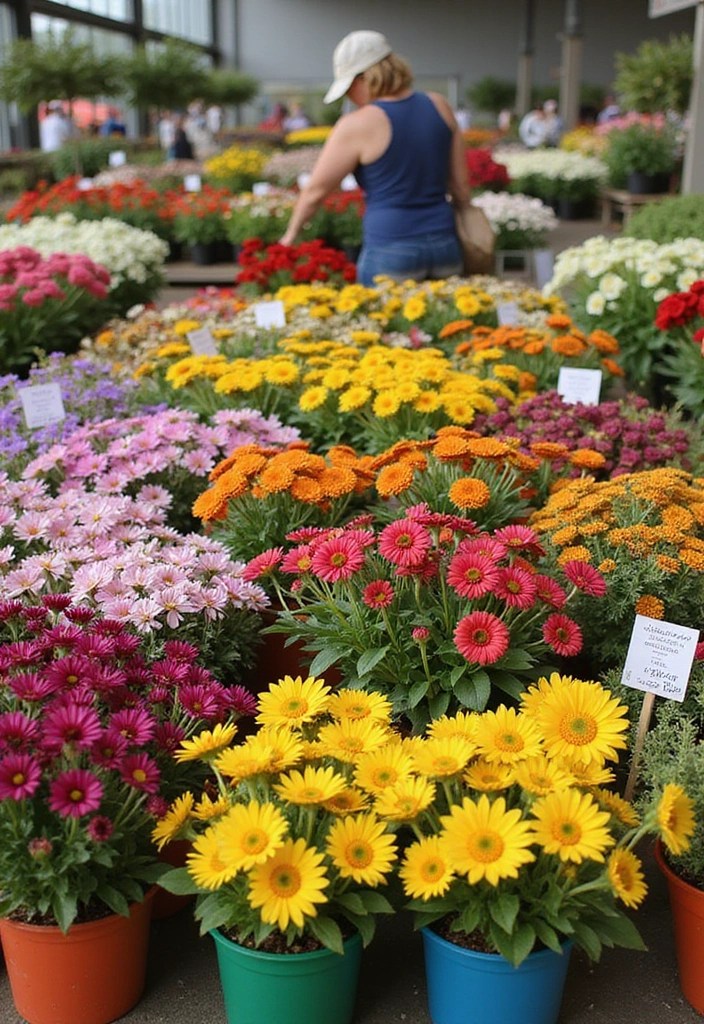
When planning your spring flower garden, the first crucial step is to select the right flowers that will not only survive but thrive in your climate. Each flower has its own unique preferences, and understanding your area’s hardiness zone is essential for making informed choices.
Consider incorporating native flowers, as they are already adapted to your local environment and require less maintenance. They tend to be more resilient against pests and diseases. Popular native selections include coneflowers, black-eyed Susans, and sunflowers. To achieve a garden with continuous blooms, choose flowers that bloom at different times throughout the season.
To assist in your flower selection, check out various resources: visit local nurseries to see thriving plants firsthand and explore native plant guides for tailored advice. You might also want to experiment with seed starting kits to cultivate your flowers from seed. Moreover, a good understanding of your climate can be enhanced by using climate zone maps to identify the best types for your garden.
Lastly, don’t overlook perennials; these remarkable plants return year after year, providing consistent beauty in your garden. With a bit of research and the right resources, you can set the stage for a spectacular spring garden!
2. Prepare Your Soil Like a Pro
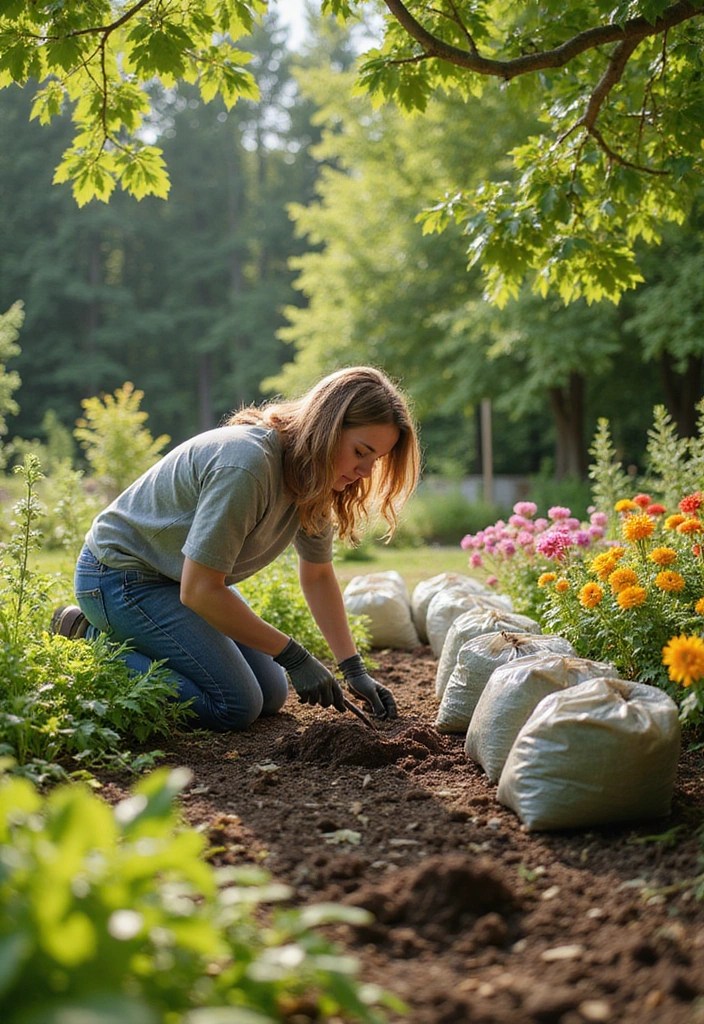
Soil preparation is essential for a thriving flower garden, as healthy soil serves as the foundation for robust plant growth and vibrant blooms. Begin by assessing your soil’s health with a soil test kit to determine its pH and nutrient levels. These kits can easily be found online or at your local garden center.
Based on the test results, you may need to adjust your soil’s composition. If your soil is too acidic, adding lime can help, while sulfur can correct overly alkaline conditions. Incorporating organic matter such as organic compost or well-rotted manure is an excellent way to enrich your soil. This addition not only enhances nutrient content but also improves drainage and promotes the growth of beneficial microorganisms.
Follow these steps to prepare your soil effectively: clear the area of weeds and debris, then use a garden fork or tiller to loosen the soil to a depth of at least 12 inches. Be sure to mix in your amendments thoroughly and finish by raking the soil smooth, breaking up any large clumps. Utilizing quality gardening tools can make this process easier and more efficient.
By investing time and effort into preparing your soil, you’ll create an ideal environment for your flowers to take root and flourish, ensuring a breathtaking display this spring. Don’t forget to enhance your soil with appropriate soil amendment products to give your plants the best possible start!
3. Timing is Everything
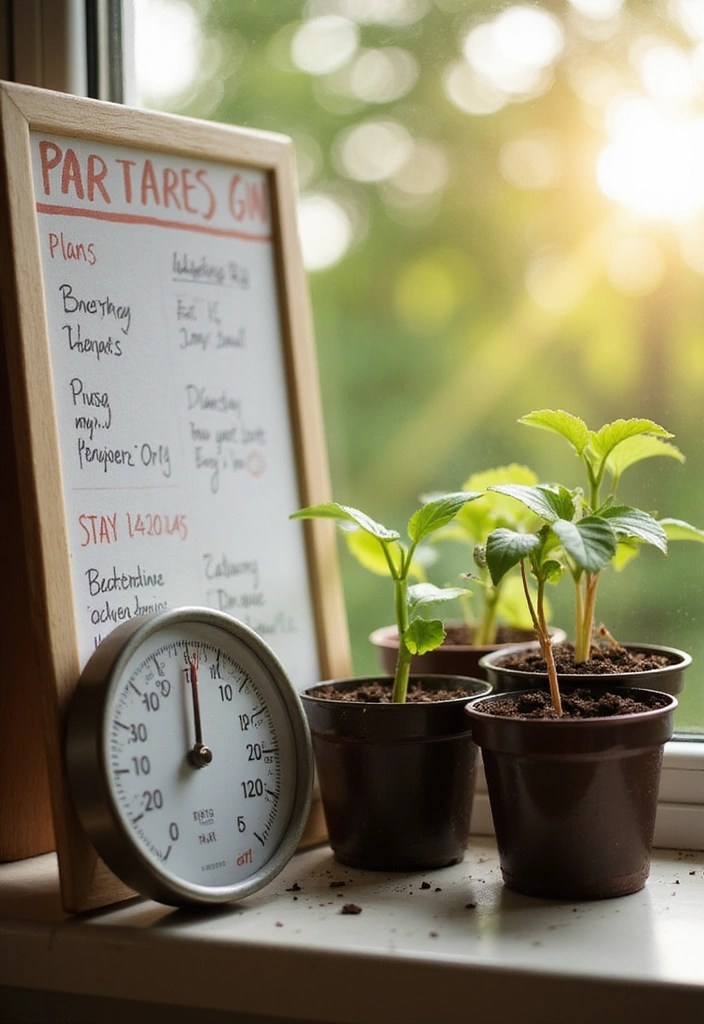
Timing your planting is crucial for creating a vibrant spring flower garden. Each flower species has its ideal planting window, typically falling between late winter and early spring, depending on your region. Planting too early or too late can result in poor germination or stunted growth, so it’s essential to get it right.
To start, consult your local frost dates. It’s best to plant after the last frost in your area, which can differ significantly based on geographical location. Keeping an eye on weather forecasts is also beneficial to avoid any unexpected frosts that could harm your delicate young plants.
To help you with timing, consider using a gardening calendar to track important dates. You can begin seeds indoors about 6-8 weeks before the last frost date to give them a head start. Don’t forget to harden off your seedlings by gradually introducing them to outdoor conditions before transferring them to your garden. For those opting to direct sow, make sure to wait until the soil temperature reaches at least 60°F (15°C) for optimal germination.
Using seed starting trays can streamline your indoor planting process, while plant markers can help you keep track of what you’ve planted and when. Additionally, a seedling heat mat can ensure that your seeds receive the warmth they need for successful germination. With the right timing and tools, your garden will flourish with color and beauty well into summer.
4. Water Wisely
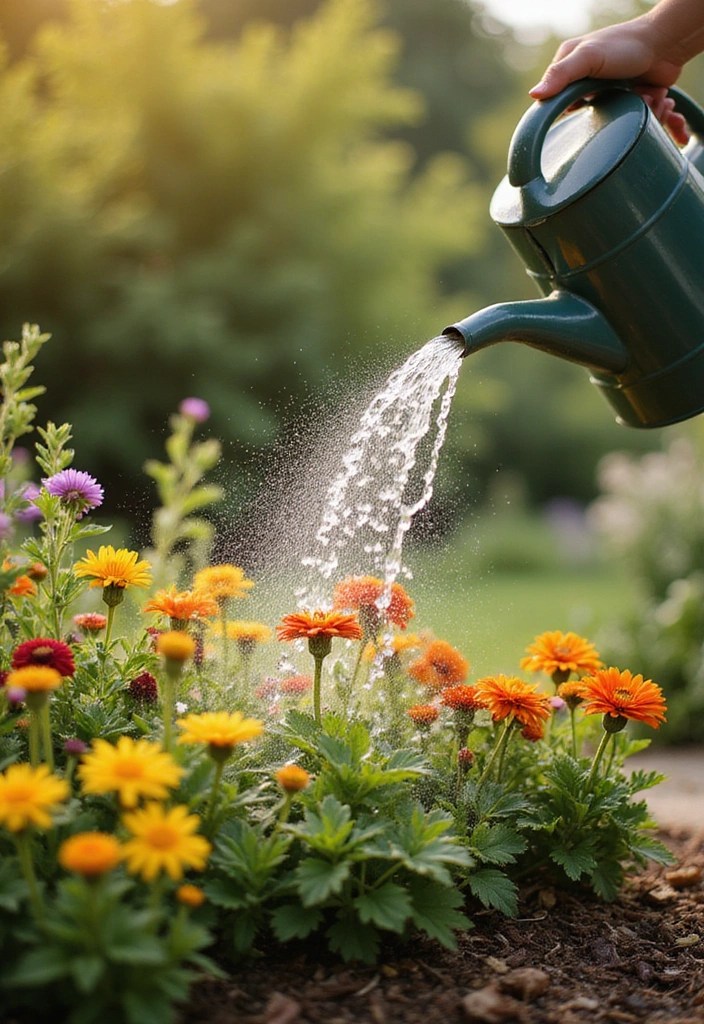
Watering is an essential aspect of successful flower gardening, as both overwatering and underwatering can lead to issues such as root rot or wilting. The key is to maintain a consistent moisture level for your flowers, which enables them to thrive.
For optimal results, it’s advisable to water your plants during the early morning or late afternoon. This timing reduces evaporation and ensures that your flowers can absorb the moisture before the heat sets in. Deep watering sessions encourage roots to grow deeper into the soil, allowing them to access vital nutrients.
To enhance your watering routine, consider using a soaker hose or a drip irrigation system, which deliver water directly to the roots. Regularly check your soil moisture by feeling the top inch; if it feels dry, it’s time to water. Additionally, applying garden mulch around your plants can help retain moisture and suppress weeds.
By adopting these mindful watering practices and utilizing the right tools, you’ll create a thriving environment for your spring flowers, ensuring they bloom beautifully throughout the season. Don’t forget to invest in a moisture meter to monitor soil conditions effectively!
5. Fertilize for Success
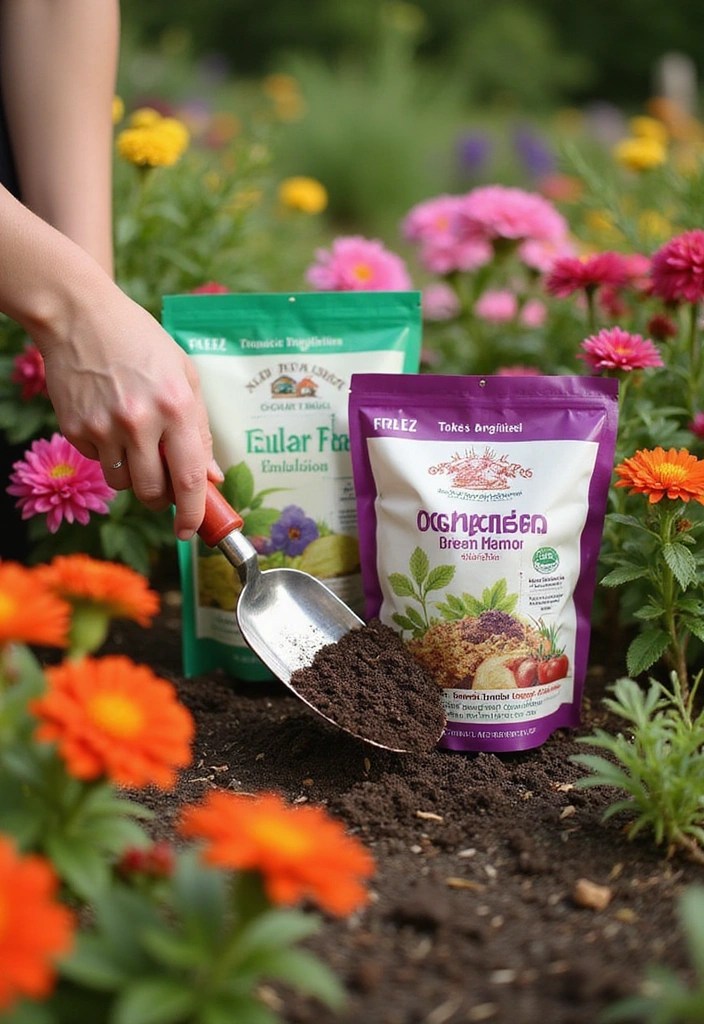
Feeding your flowers the right nutrients is essential for creating a stunning garden that blooms abundantly. Utilizing fertilizers can significantly enhance soil quality and provide your flowers with the vital nutrients they need to grow robust and vibrant.
When choosing a fertilizer, aim for one that features a balanced ratio of nitrogen, phosphorus, and potassium (N-P-K). Nitrogen is crucial for promoting leafy growth, phosphorus encourages abundant blooming, and potassium helps strengthen roots and overall plant health. For a natural boost, consider using organic fertilizers or compost tea bags.
Here are some effective fertilizing tips to maximize your garden’s potential:
– Start with a slow-release fertilizer at the time of planting to provide a consistent supply of nutrients.
– Follow up with a liquid fertilizer every few weeks during the growing season for an extra nutrient boost.
– Always read the instructions carefully to avoid over-fertilizing, which can damage your flowers.
Additionally, enhancing your soil with quality soil amendments can further improve nutrient availability and promote healthy plant growth. And don’t forget to have the right tools on hand, such as garden trowels for effective planting and maintenance.
With the right feeding regimen and tools, your spring flowers will not only thrive but also showcase breathtaking blooms throughout the season.
6. Deadheading for Continuous Blooms
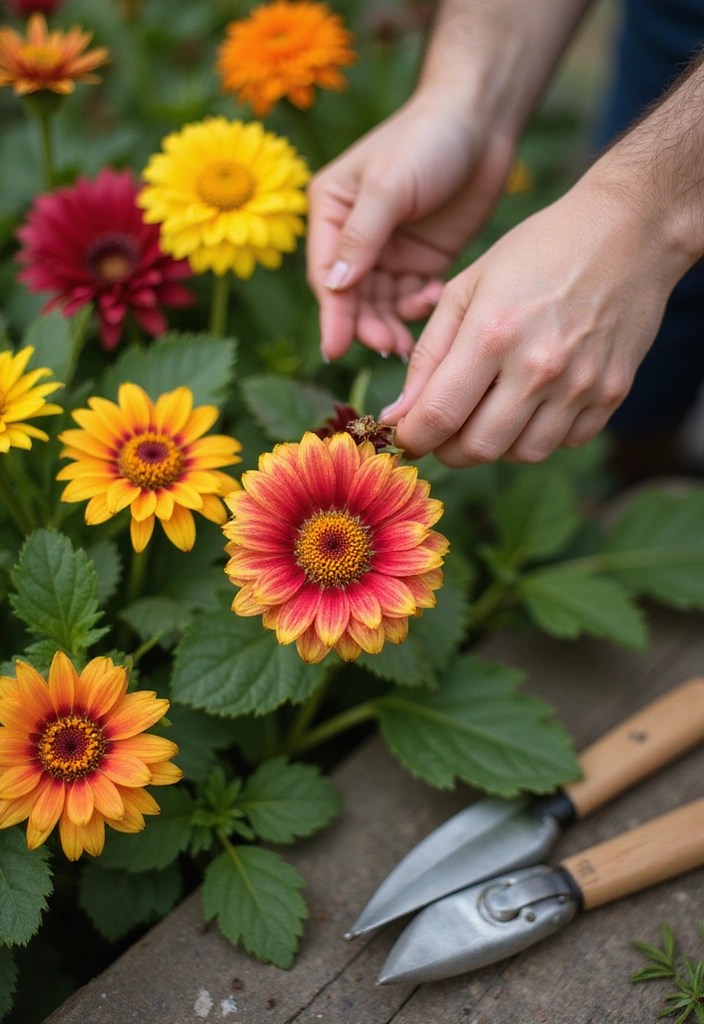
Deadheading is an essential gardening technique that can significantly enhance the blooming potential of your flowers throughout the season. By removing faded blooms, you not only prevent your plants from going to seed but also redirect their energy into producing fresh and vibrant blossoms. This simple practice helps maintain a tidy appearance in your garden while ensuring continuous color and vibrancy.
To deadhead effectively, start by using clean, sharp tools like garden shears or pruning scissors. Aim to pinch or cut off the spent flowers just above the first set of leaves as soon as they begin to wilt. Incorporating this practice into your regular gardening routine will keep your flowers blooming longer and looking their best.
Don’t forget to protect your hands while you work by wearing a sturdy pair of gardening gloves. Additionally, consider using flower food to provide extra nutrients to your plants, promoting even more robust growth and blooms. By incorporating these tips and tools, you can create a vibrant, colorful flower garden that continuously delights all season long.
7. Embrace Companion Planting
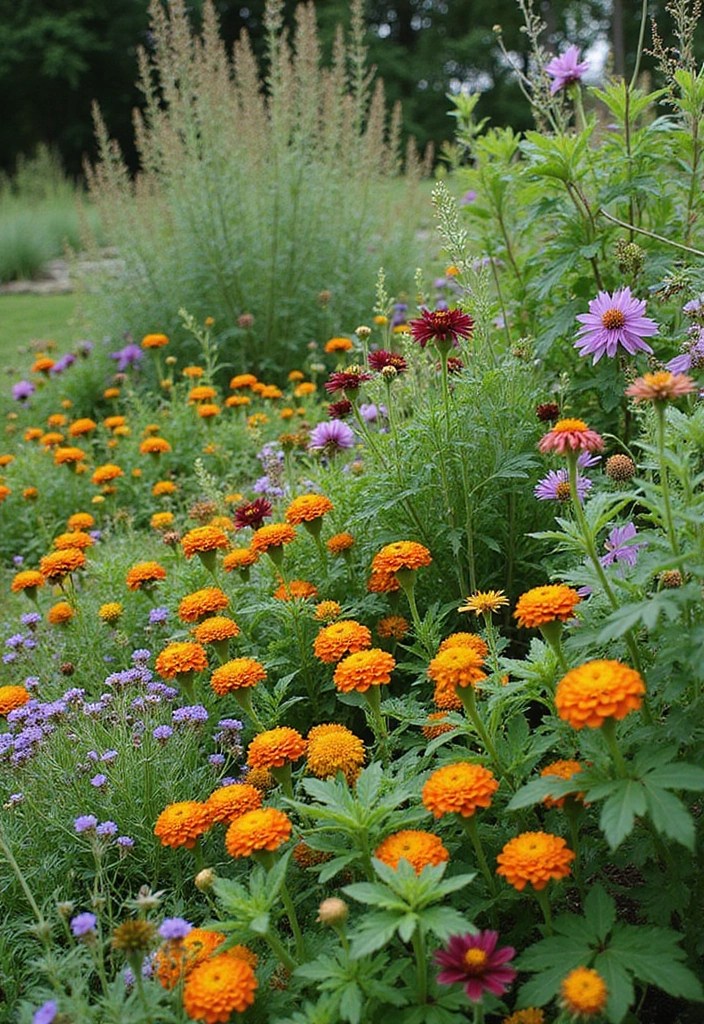
Companion planting is an effective gardening strategy that involves the thoughtful arrangement of flowers alongside other plants to enhance growth and ward off pests. By selecting the right combinations of flowers, you can attract beneficial insects, provide shade, and even repel harmful pests from your primary crops.
For instance, planting marigolds can help deter aphids and nematodes, making them an excellent companion for roses. Similarly, nasturtiums can draw aphids away from other plants, acting as a trap crop. To delve deeper into the art of companion planting, consider using companion planting guides that provide insights into effective pairings for your garden.
Additionally, utilizing flower seed mixes can help you incorporate a variety of companions into your garden. Don’t forget to protect your plants with organic pest repellents, which can further enhance the health of your garden.
Lastly, using garden stakes can assist in managing plant height and spread, ensuring they receive adequate sunlight while maximizing space. By embracing companion planting, you can cultivate a vibrant, pest-free flower garden that flourishes all spring long.
8. Create a Colorful Palette
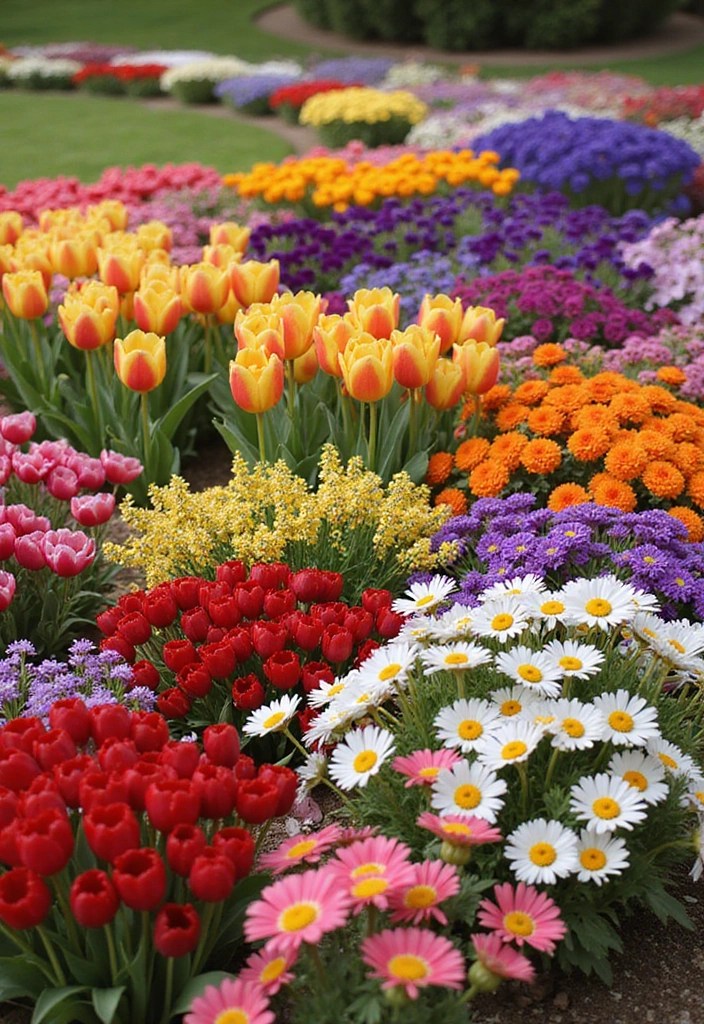
Your garden serves as a vibrant canvas, and spring flowers provide an incredible opportunity to showcase your creativity through color. By selecting a harmonious color palette, you can create a striking visual impact that resonates with the mood you wish to convey. Bright reds and yellows can invigorate your space, while gentle pastels can evoke a sense of tranquility.
To assist you in crafting your perfect palette, consider utilizing color theory guides for gardening as a resource. When arranging your flowers, the color wheel can serve as an essential tool; analogous colors, which are positioned next to each other on the wheel, promote a serene ambiance, whereas complementary colors that sit opposite each other create exciting contrasts. Additionally, mixing various shapes and sizes of flowers can elevate the visual interest of your garden.
Here are some practical tips for creating your colorful palette: First, select a few primary colors and explore varying shades of those hues for added depth. Don’t forget to consider seasonal blooms that keep your garden lively from spring into summer. For maximum impact, group flowers in clusters instead of scattering them randomly. For inspiration and guidance, you might find planting design books helpful, and having color swatches on hand can further aid in your decision-making process.
By thoughtfully planning your color palette, you can transform your garden into a breathtaking masterpiece that delights the senses and captivates visitors. Consider exploring flower seed assortments to bring your vision to life!
9. Use Mulch to Retain Moisture
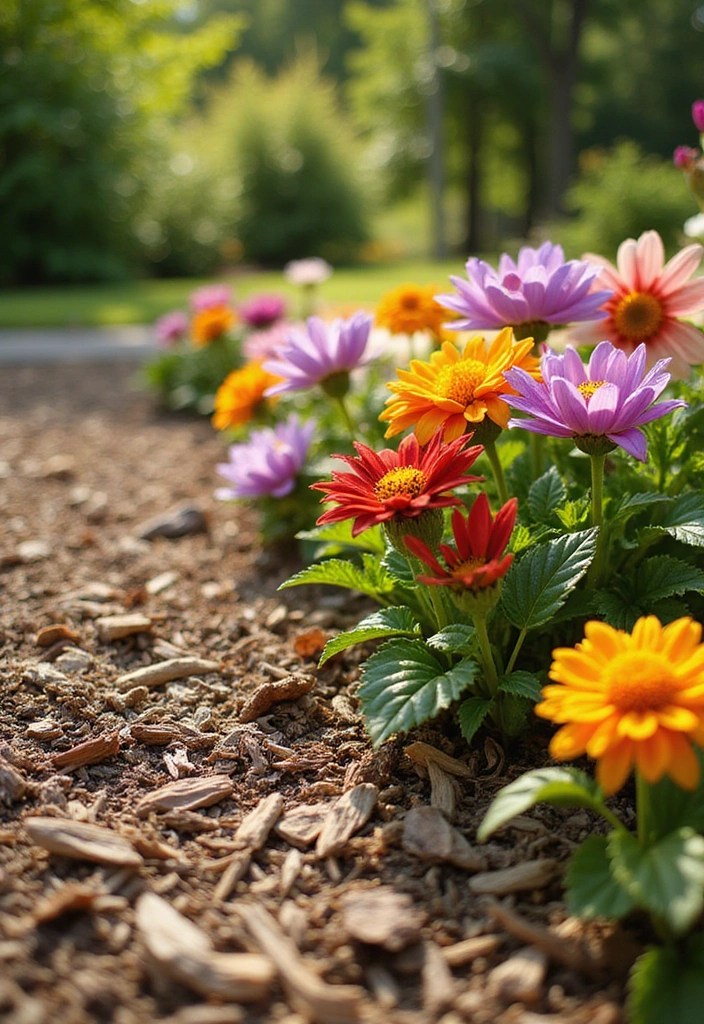
Mulching is a vital technique for nurturing any flower garden, especially as the spring months usher in warmer temperatures. A generous layer of mulch not only aids in retaining soil moisture but also suppresses pesky weeds and helps regulate soil temperature, fostering a more supportive environment for your blooms.
Opt for organic mulches like wood chips, straw, or shredded leaves, which break down over time and enrich the soil with nutrients. By applying a 2-3 inch layer around your flowers, you can significantly boost their growth and blooming potential.
To effectively use mulch, follow these steps:
– Apply mulch after planting and watering your flowers.
– Utilize a mulch spreader for an even application.
– Ensure the mulch is kept a few inches away from the base of the plants to prevent rot.
– Regularly replenish your mulch as it decomposes to sustain its benefits.
In addition, wearing gardening gloves can help keep your hands protected while you work. Consider using landscape fabric beneath your mulch to improve moisture retention and weed suppression.
Incorporating mulch into your flower garden will not only enhance its health but also create a polished appearance that showcases your vibrant blooms beautifully.
10. Attract Pollinators
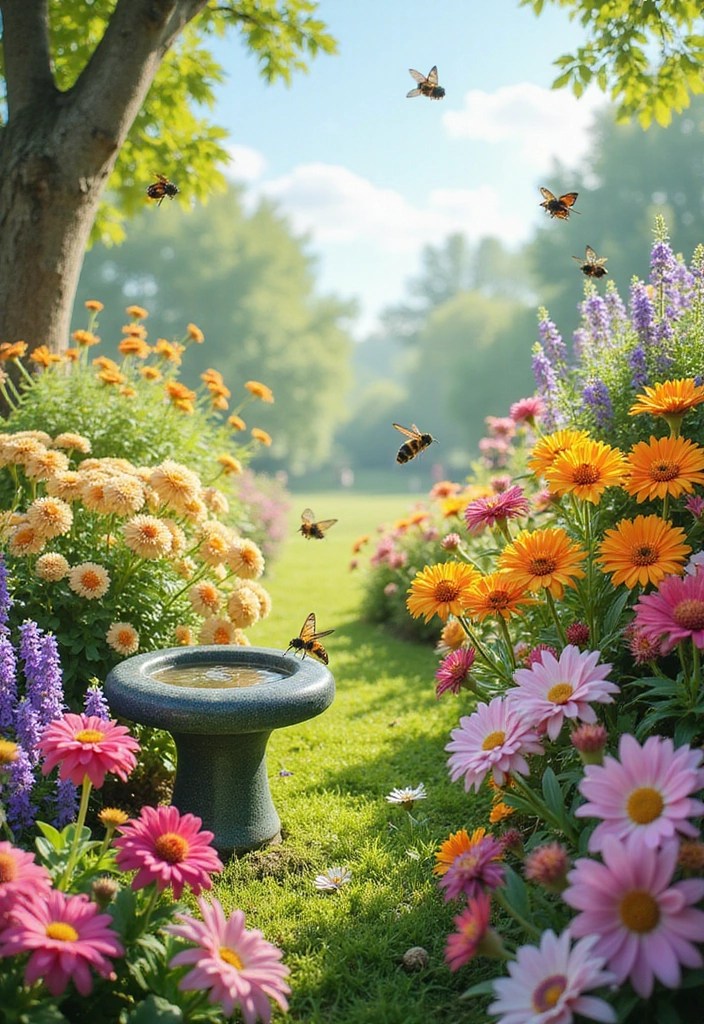
Creating a flourishing flower garden goes beyond mere aesthetics; it’s essential for cultivating a vibrant ecosystem. By attracting vital pollinators such as bees, butterflies, and hummingbirds, you not only enhance your garden’s blooming potential but also support local wildlife.
To establish a pollinator-friendly environment, opt for a diverse selection of flowers that bloom at various times throughout the season. Native plants are particularly effective, as they provide valuable nectar and pollen sources. It’s also crucial to steer clear of pesticides that could harm these beneficial creatures.
Here are some effective strategies to draw in pollinators:
– Group flowers in clusters, making it easier for them to access nectar.
– Incorporate a mix of colors, shapes, and sizes to appeal to different pollinators.
– Provide water sources, such as shallow dishes or birdbaths, to help attract them.
To further enhance your pollinator-friendly garden, consider using pollinator-friendly flower seeds that will thrive in your local environment. Adding bee hotels can provide safe nesting spaces for solitary bees, while butterfly feeders can attract these beautiful insects to your garden, offering them a reliable food source. Lastly, using organic pest control can help you maintain a healthy garden without endangering your pollinator friends.
By welcoming pollinators into your garden, you’ll enjoy a more vibrant and healthy display of spring flowers.
11. Plan for Succession Planting
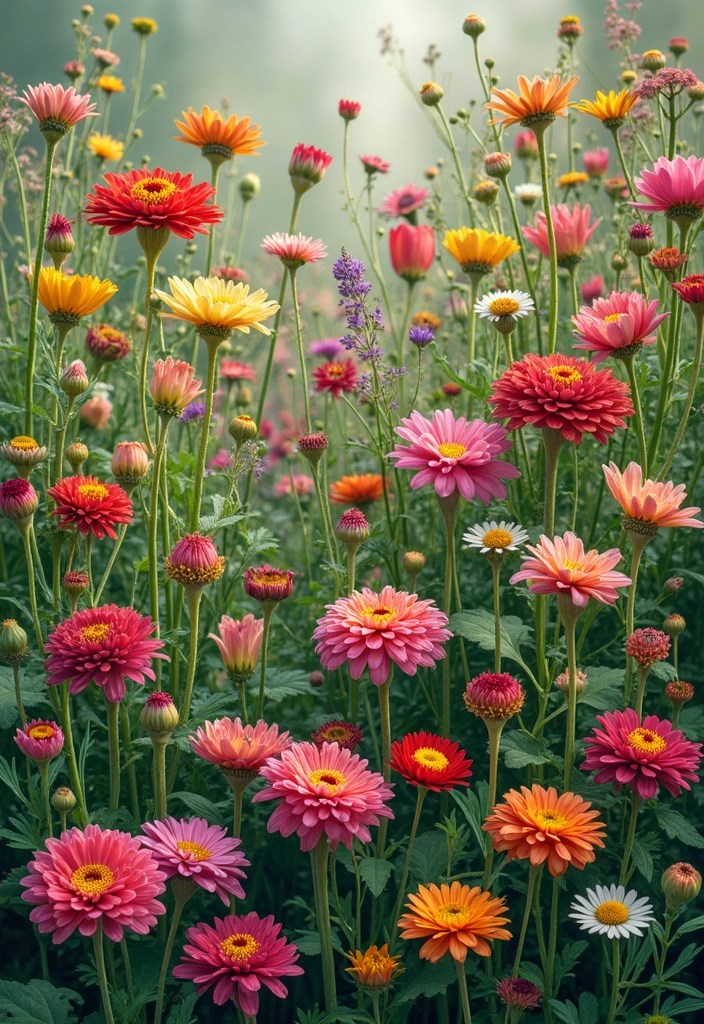
To maintain a vibrant flower garden that blossoms from spring through summer, it’s essential to embrace the technique of succession planting. This method involves strategically planting a variety of flowers at different intervals, ensuring a continuous and stunning display of color. Rather than planting everything at once, stagger your planting times to create captivating waves of blooms.
Begin your garden with early bloomers such as pansies and daffodils, then transition to mid-spring favorites like tulips and peonies, and finally, incorporate summer stalwarts like zinnias and sunflowers. This approach not only enhances your garden’s visual appeal but also keeps it lively and engaging throughout the season.
For successful succession planting, consider utilizing resources like succession planting guides to help you plan your flower varieties and planting times effectively. Keeping a planting schedule, perhaps with the help of a planting calendar, can ensure you know precisely when to start seeds or plant directly in your garden.
Moreover, be sure to choose diverse flower varieties with varying bloom times for a seamless transition between colors and textures. Don’t forget to leave space for late bloomers in your garden design, and consider using a garden planner to keep track of your layout. With these strategies and the right supplies, you’ll create a flower garden that is a breathtaking spectacle of color and life all season long! Additionally, don’t overlook the importance of flower seed packets to ensure you have a rich variety of blooms ready to thrive in your garden.
12. Protect Your Plants from Pests
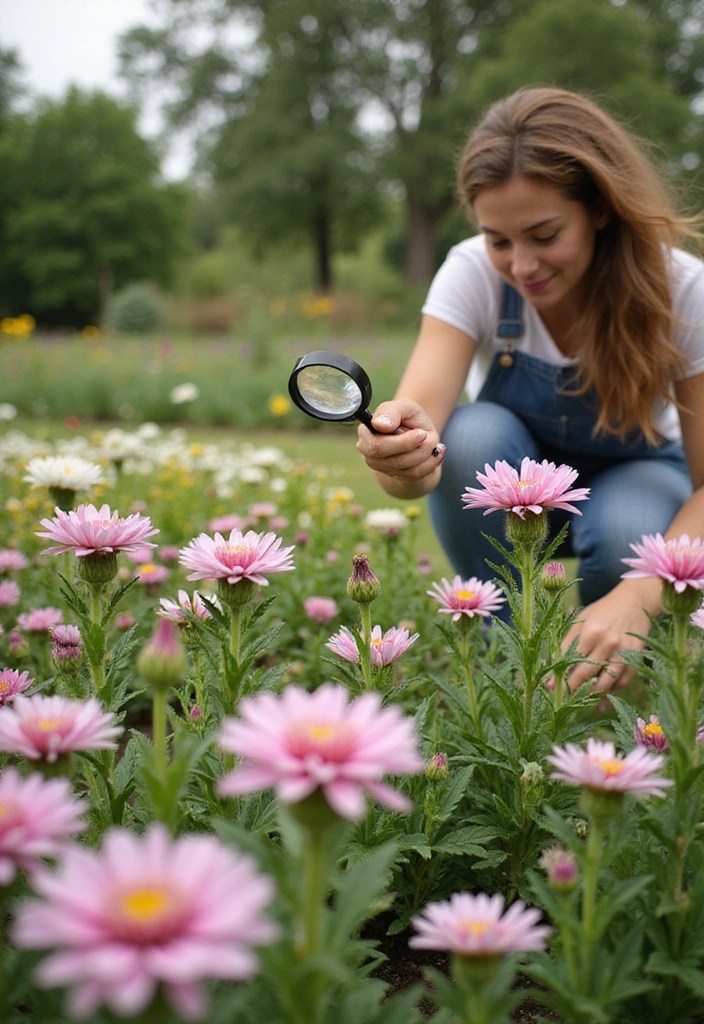
Pest control plays a crucial role in nurturing a healthy and thriving flower garden. While certain pests can serve beneficial roles, others can severely damage your beautiful blooms. By taking proactive steps toward pest management, you can ensure that your flowers grow robust and vibrant.
Begin by routinely inspecting your plants for signs of pest activity, such as chewed leaves or sticky residue. Introducing beneficial insects, like ladybugs and lacewings, can be an excellent strategy for keeping harmful pests at bay. You can also consider using natural remedies such as neem oil or insecticidal soap, both of which are effective in managing pest infestations.
To further protect your plants, try these pest protection tips: rotate your flowers each year to prevent pests from becoming established, and consider planting flowers that repel specific pests—such as marigolds, which are known to deter nematodes. Additionally, maintaining good garden hygiene is essential; regularly clean up fallen debris and weeds to minimize pest habitats.
By staying vigilant and implementing these preventive measures, you’ll help your flowers flourish, free from the threat of pest damage. For more in-depth strategies, check out helpful pest control guides and consider investing in beneficial insect kits for your garden.
13. Experiment with Vertical Gardening
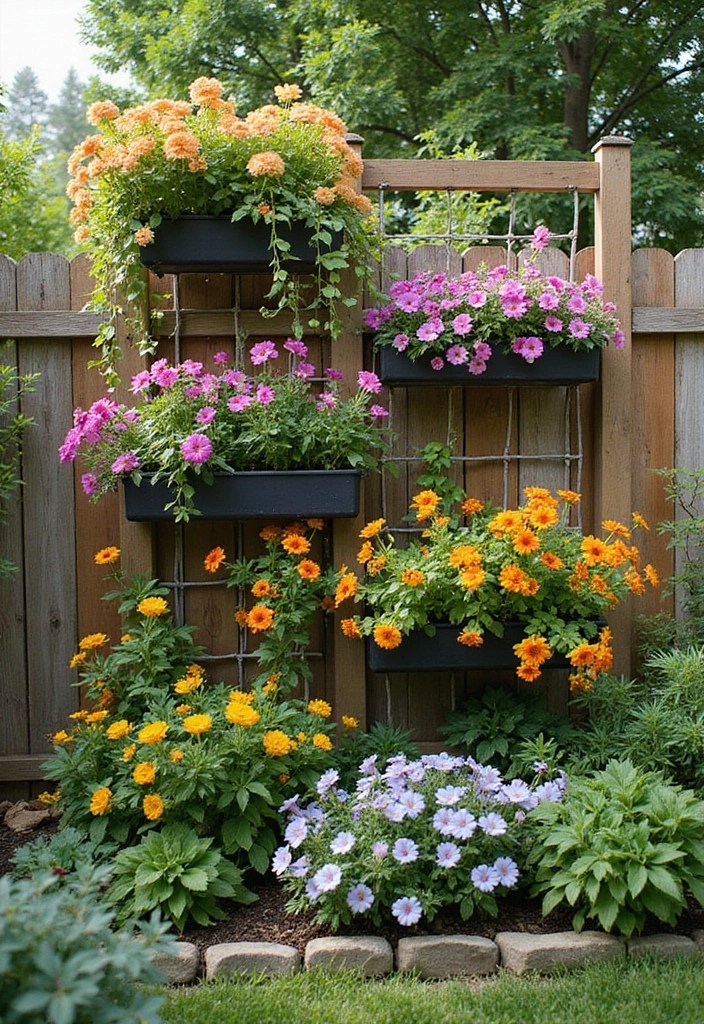
If you’re short on space but eager to cultivate a vibrant flower garden, vertical gardening is the perfect solution! This innovative method allows you to grow flowers upwards instead of outwards, making the most of limited areas. By utilizing vertical gardening kits, trellises, wall-mounted planters, and hanging baskets, you can create a breathtaking and dynamic display of blooms that truly stands out.
Vertical gardening not only conserves space but also introduces a unique aesthetic to your outdoor area. Consider incorporating climbing flowers like sweet peas or morning glories for impressive vertical displays, while trailing varieties such as petunias or lobelias can beautifully cascade down from hanging planters or wall-mounted options.
To ensure success in your vertical garden, choose the right support structures—like trellises—that can handle the height and weight of your selected flowers. Remember to position your plants where they can receive adequate sunlight and to water and fertilize as necessary, as vertical gardens tend to dry out more quickly. With these tips and the right products, you can maximize your flower-growing potential and create a stunning visual impact in your space.
14. Create Garden Art and Decor
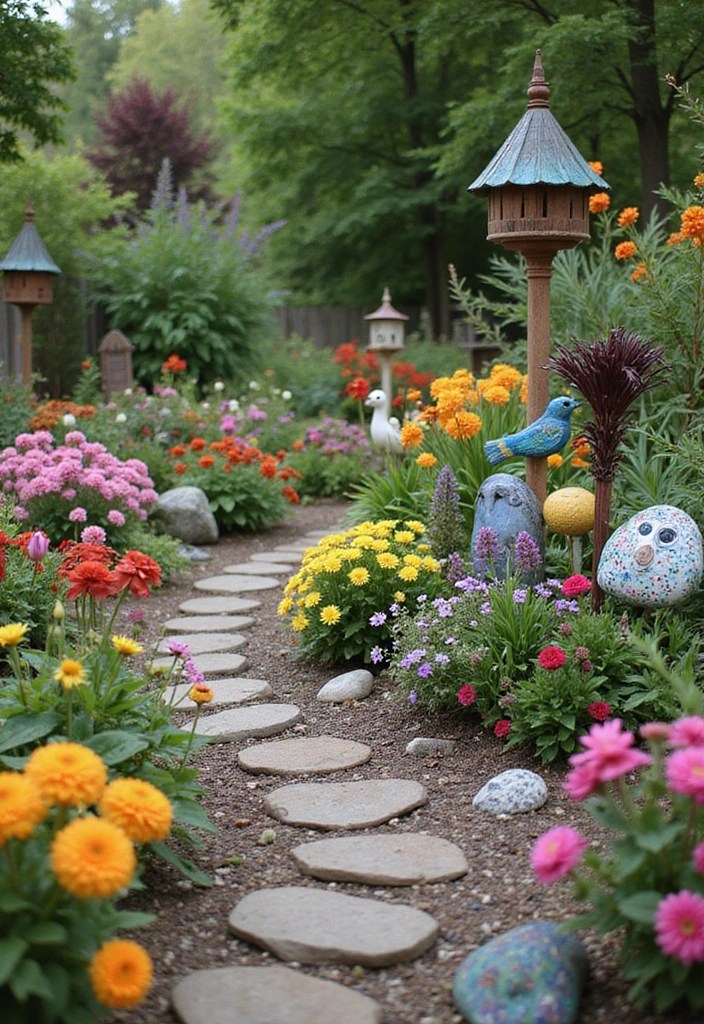
Your flower garden can transcend being merely a showcase of blooms; it has the potential to become a true work of art! By incorporating decorative elements, you can enhance the beauty of your garden while reflecting your unique personality. Consider adding decorative stakes, eye-catching sculptures, or colorful painted stones to establish focal points among your flowers.
Engaging in DIY projects is a delightful way to personalize your garden. You could create vibrant flower markers or repurpose old furniture into charming garden decor. Remember to ensure that your decorations complement the natural beauty of your flowers instead of overshadowing them.
To kickstart your creative journey, here are some ideas: use recycled materials to craft unique garden sculptures, paint rocks with whimsical designs to label your plants or add a splash of color, and hang wind chimes to attract wildlife while enhancing the auditory beauty of your space. Additionally, don’t forget to grab some paint for outdoor use to bring your artistic vision to life. By infusing your garden with art and decor, you’ll cultivate a whimsical and enchanting atmosphere that sparks joy and inspiration.
15. Keep Learning and Experimenting
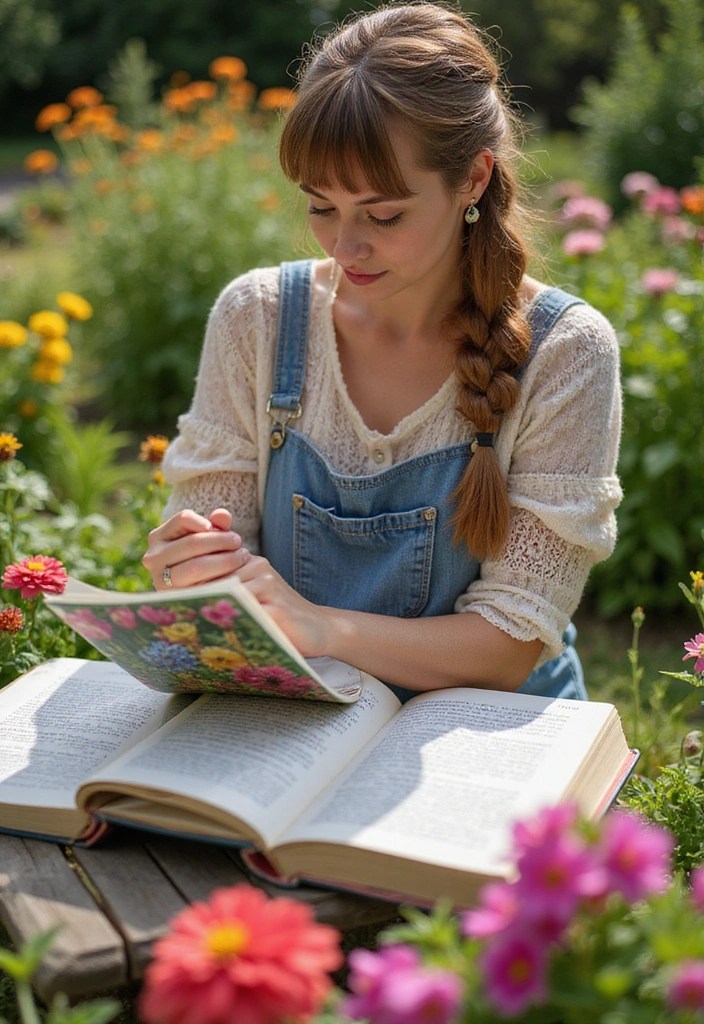
Gardening is an exciting journey filled with endless opportunities to learn and grow, especially as each season unfolds. To truly embrace the art of flower gardening, dive into experimenting with various plant varieties, techniques, and creative designs. Remember, making mistakes is a natural part of the process and often leads to the most valuable lessons.
Enhance your gardening knowledge by joining local gardening clubs or online communities where you can share your experiences, gather insights, and discover new techniques. Consider attending workshops or diving into gardening literature by picking up some great gardening books to deepen your understanding of flower cultivation. Each new flower you try or method you explore can contribute to a more vibrant and diverse garden.
To track your progress and reflect on your gardening journey, maintain a garden journal that captures both your successes and challenges. For inspiration and tips, follow popular gardening blogs or social media accounts, and consider investing in a membership to gardening clubs that can provide valuable resources. Additionally, engage in online gardening courses to gain hands-on knowledge and enhance your skills.
By committing to continuous learning and experimentation, you’ll discover immense joy in your flower garden, creating a blooming paradise that evolves beautifully over time.
Conclusion

With these 15 must-know tips, you’re well on your way to creating a stunning spring flower garden that will bloom like never before. Remember, gardening is as much about the journey as it is about the destination. Embrace the process, learn from nature, and enjoy the colorful rewards of your hard work.
Let your garden be a reflection of your creativity and passion for flowers. Happy planting!
Note: We aim to provide accurate product links, but some may occasionally expire or become unavailable. If this happens, please search directly on Amazon for the product or a suitable alternative.
This post contains Amazon affiliate links, meaning I may earn a small commission if you purchase through my links, at no extra cost to you.

 Living Well: Everyday Inspiration for a Balanced Life