

Sustainable living doesn’t have to be complicated! With just a few small changes, anyone can make a positive impact on the environment.
This guide is packed with eco-friendly tips that are so easy, you’ll wonder why you haven’t started them sooner. From swapping out common household items to adopting new habits, these simple adjustments can significantly reduce your carbon footprint.
Join the movement toward sustainability and make these changes today – your planet will thank you! Let’s dive into these 19 eco-friendly tips that are perfect for anyone ready to embrace a greener lifestyle.
Contents
- 1. Ditch Single-Use Plastics
- 2. Choose Natural Cleaning Products
- 3. Start a Compost Bin
- 4. Use Energy-Efficient Appliances
- 5. Shop Local and Seasonal
- 6. Practice Mindful Consumption
- 7. Reduce Water Usage
- 8. Embrace a Plant-Based Diet
- 9. Choose Eco-Friendly Fashion
- 10. Use Reusable Coffee Cups
- 11. Switch to Biodegradable Products
- 12. Reduce Food Waste
- 13. Use E-Books and Digital Resources
- 14. Participate in Community Clean-Ups
- 15. Educate Yourself and Others
1. Ditch Single-Use Plastics

Single-use plastics are among the primary contributors to environmental pollution. Items like shopping bags, straws, and plastic wrap are utilized for just a brief moment but can persist in landfills for hundreds of years. A fantastic way to kickstart your journey toward sustainability is by eliminating these habits.
Begin by carrying a reusable tote bag for your shopping trips. Replace disposable straws with stylish metal or silicone straws, and invest in a high-quality durable water bottle. Not only will you reduce waste, but you’ll also save money over time by avoiding the purchase of bottled water.
These small adjustments can inspire those around you to join in, creating a ripple effect of positive change. Plus, reusable products often feature beautiful designs, making them an attractive choice! Consider using reusable snack bags or beeswax wraps as alternatives to plastic wrap for food storage. Every small effort contributes to a healthier planet!
2. Choose Natural Cleaning Products

Cleaning your home shouldn’t come at the expense of your health or the environment. By switching to natural cleaning products, you can create a safer indoor space while also benefiting the planet. Many conventional cleaners are laden with toxic chemicals that can degrade indoor air quality.
Instead, consider exploring eco-friendly cleaning products that utilize plant-based ingredients. You can also make your own effective cleaners using simple household staples like vinegar, baking soda, and essential oils. For example, a mixture of vinegar and water works wonders on glass surfaces, while baking soda is great for tackling tough stains.
To make your eco-friendly cleaning routine even more sustainable, invest in refillable glass spray bottles that reduce plastic waste. Additionally, enhancing your cleaning arsenal with essential oils for cleaning can provide not just a fresh scent but also added antibacterial properties. It’s a win-win for your home and the earth!
3. Start a Compost Bin
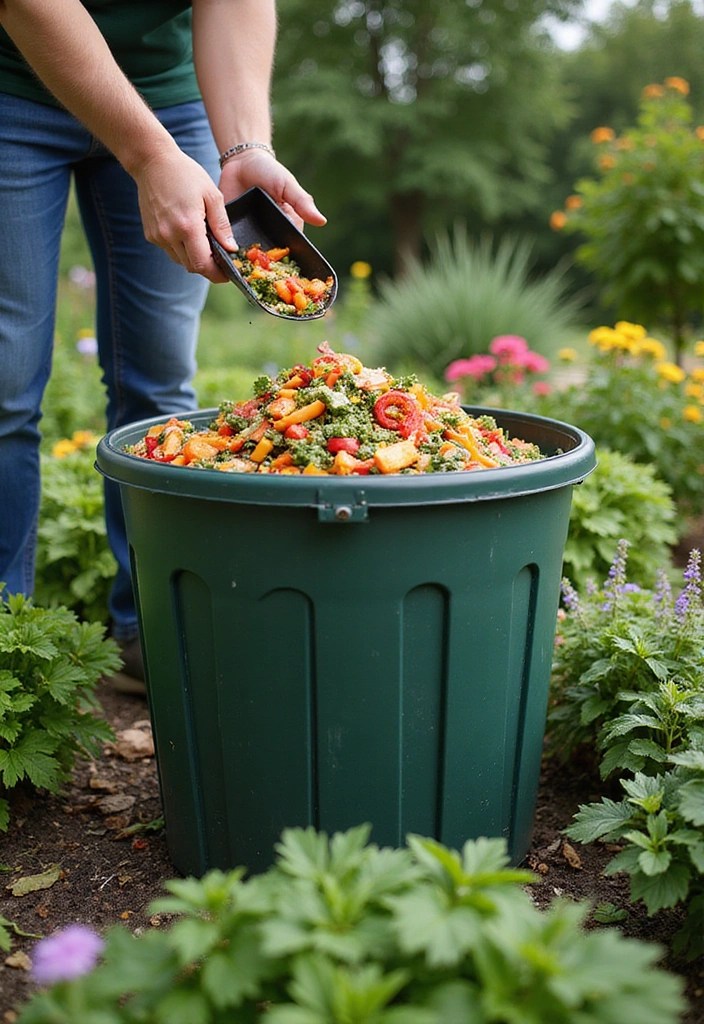
Transform your kitchen scraps into a valuable resource for your garden!
Composting is a straightforward and effective way to minimize waste while enriching your soil. Instead of throwing away vegetable peels, coffee grounds, and yard debris, consider setting up a compost bin in your backyard or an indoor space if you’re short on room. This eco-friendly practice not only diverts organic waste from landfills but also generates nutrient-dense soil for your plants.
For those just starting out, a simple kitchen compost pail can help you collect scraps conveniently. Be sure to layer green materials, like fruit scraps, with brown materials, such as dried leaves, to create a balanced mix. Don’t forget to turn your compost regularly for proper aeration!
Incorporating composting into your daily routine fosters a greater awareness of food waste and can contribute to healthier plants and a thriving garden. You might also want to consider using a garden soil tester to monitor the health of your compost and ensure your plants are getting the nutrients they need for optimal growth!
4. Use Energy-Efficient Appliances

Upgrade your home with appliances that not only save energy but also reduce your monthly expenses!
Investing in ENERGY STAR appliances like refrigerators, washing machines, and dishwashers can significantly decrease your electricity consumption while maintaining excellent performance. These appliances are engineered to use less energy, which not only lowers your utility bills but also helps lessen your carbon footprint, contributing to a more sustainable future.
If purchasing new appliances isn’t feasible right now, you can still make a positive impact by implementing small changes around your home. For example, consider using LED light bulbs, which consume far less energy than traditional bulbs and last much longer. Additionally, smart power strips can help reduce energy waste by automatically cutting power to devices when they’re not in use.
Every little step counts, and soon you’ll notice a positive shift in both your energy bills and the environmental impact of your household.
5. Shop Local and Seasonal

Support your community and significantly reduce your carbon footprint by shopping local!
When you buy produce and goods from local farmers and markets, you not only bolster the local economy but also minimize the environmental impact associated with transporting food over long distances. Seasonal foods tend to be fresher, more flavorful, and more nutritious, enhancing your meals and overall health.
Consider visiting your local farmers’ market to find out what’s in season, and think about joining a Community Supported Agriculture (CSA) program for regular deliveries of fresh produce. You can explore membership options, such as Local CSA memberships, which will allow you to enjoy the benefits of knowing exactly where your food comes from and how it’s grown. Plus, it’s a fantastic way to connect with your community and discover sustainable practices firsthand.
Don’t forget to bring along some reusable shopping bags to reduce plastic waste while you shop. This approach not only encourages you to be creative in the kitchen by trying out new recipes with seasonal ingredients but also makes sustainability a delicious adventure! For inspiration, check out cookbooks featuring seasonal recipes that will help you make the most of your local bounty.
6. Practice Mindful Consumption

Become a conscious consumer by taking a moment to reflect before making a purchase. In our fast-paced society, impulse buying can easily lead us astray. Mindful consumption involves understanding the environmental impact of your buying choices. Consider whether you truly need an item, how long you plan to use it, and if it’s made from sustainable materials.
Instead of opting for new clothes, explore the joys of thrift shopping or organizing a swap with friends. Not only does this approach save money, but it also significantly reduces waste. You can even gift thrift shop gift cards to friends and family, encouraging them to join the eco-friendly movement. For those interested in learning more about conscious consumerism, a great resource is this book on the topic, which provides valuable insights into making better choices: Books on conscious consumerism.
When it comes to everyday essentials, take the time to research brands that prioritize ethical production and sustainable materials. You can elevate your wardrobe sustainably by incorporating items like sustainable fashion items into your collection. Creating a mental checklist for your shopping decisions can further facilitate mindful consumption. By making informed choices today, you can make a meaningful contribution to sustainability and inspire those around you to do the same.
7. Reduce Water Usage

Water is an invaluable resource, making conservation vital for a sustainable future.
You can make a significant impact on reducing water waste with some simple changes in your daily habits. For example, promptly fixing leaks is essential; consider using a leak detection device to catch any hidden issues. Additionally, taking shorter showers and turning off the tap while brushing your teeth are easy yet effective ways to save water. Installing low-flow showerheads and faucets can also help you conserve water without compromising your comfort.
Another great way to save is by collecting rainwater for your garden. Using a rainwater collection barrel makes this process simple and efficient. Opt for using a broom instead of a hose to clean driveways, which can significantly reduce water usage.
By being mindful of your water consumption, you’ll not only see a difference in your water bill but also contribute to preserving this precious resource for generations to come.
8. Embrace a Plant-Based Diet

Eating less meat and incorporating more plant-based foods into your diet is one of the most impactful ways to lessen your environmental footprint. The production of meat demands vast resources, such as water and land, and is a significant contributor to greenhouse gas emissions. By focusing on a diet rich in fruits, vegetables, grains, and legumes, you can not only reduce your carbon footprint but also enjoy a variety of delicious meals.
To get started, consider introducing one plant-based meal into your weekly routine and gradually increasing that number. You can explore a multitude of new recipes featuring beans, lentils, and seasonal vegetables. For inspiration, check out a selection of plant-based cookbooks that can guide you in creating wholesome dishes.
Additionally, investing in reusable meal prep containers can help you organize and store your homemade meals efficiently, making it easier to stick to your plant-based journey. You might also consider using an organic produce delivery service to ensure you have fresh, high-quality ingredients at your fingertips.
Not only will you discover exciting new flavors, but you’ll also feel great knowing that you’re making a positive change for the planet. Plus, adopting a plant-based diet can lead to improvements in your health and overall well-being!
9. Choose Eco-Friendly Fashion

Fashion can be both stylish and environmentally friendly!
By opting for sustainable fashion, you can choose clothing crafted from organic materials, produced ethically, and designed for longevity. Look for brands that emphasize eco-friendly practices, such as those that utilize recycled materials or minimize water consumption in their manufacturing processes. For instance, you might explore options from sustainable clothing brands that align with these values.
Thrifting is another fantastic way to discover one-of-a-kind pieces while simultaneously reducing waste. Rather than contributing to the fast fashion industry, which is notorious for its environmental impact, consider investing in timeless, high-quality items that will serve you well for years to come. If you’re looking for a fun and budget-friendly way to refresh your wardrobe, organizing a clothing swap with friends can be a great idea.
Additionally, don’t forget to support the circular economy with thrift shop gift cards, allowing your friends and family to explore unique second-hand finds. And to complete your eco-friendly look, check out fashionable accessories made from recycled materials. Sustainable fashion is all about making mindful choices that benefit both your personal style and the planet.
10. Use Reusable Coffee Cups

Coffee enthusiasts, your time to shine has arrived!
Opting for a stylish insulated reusable coffee cup is an effortless way to minimize the waste generated by single-use cups. Many coffee shops are now incentivizing this eco-friendly choice by offering discounts for customers who bring their own cups, allowing you to save some money while contributing positively to the environment.
Additionally, consider enhancing your home brewing experience with reusable coffee filters, which help eliminate waste from disposable paper filters. Making these small yet impactful changes not only reduces waste but also promotes sustainable practices within the coffee industry.
And don’t forget to accessorize your coffee routine with stylish tote bags designed for coffee lovers. Personalizing your cup and carrying it in a chic bag makes for a fun and fashionable way to express your style while doing your part for the planet!
11. Switch to Biodegradable Products

Make the switch to biodegradable products for a cleaner planet!
From household essentials to personal care items, there are numerous biodegradable options available that significantly reduce landfill waste. Consider using biodegradable trash bags to manage your waste responsibly, or opt for compostable plates for your next gathering, ensuring that your disposables won’t linger in landfills for years to come. Additionally, switching to bamboo toothbrushes is a simple yet impactful way to reduce plastic usage in your daily routine.
By choosing biodegradable items, you’re not only cutting down on plastic waste but also supporting companies that prioritize sustainability. Many of these products are crafted from natural materials, making them safer for your family while minimizing environmental impact. Embracing biodegradable options in your everyday life is an effective step toward contributing to a sustainable future.
12. Reduce Food Waste

Food waste is a significant issue, but reducing it is easier than you think!
Start by planning your meals and making shopping lists to avoid overbuying. A great tool for this is a meal planning notebook, which can help you organize your meals and ensure you only purchase what you need.
Proper food storage is crucial for extending shelf life, so investing in quality food storage containers can make a big difference. Additionally, get creative with your leftovers! For inspiration, consider using a cookbook for leftovers, which can guide you in transforming yesterday’s meals into something new and exciting.
By being mindful of your food consumption, not only will you save money, but you’ll also contribute to a more sustainable planet. Don’t forget to share any excess food with friends or donate to local food banks; it’s a wonderful way to help those in need. Empowering yourself to waste less food benefits both the planet and your community!
13. Use E-Books and Digital Resources

Ditch the paper and fully embrace the digital age!
Switching to e-books and online resources is a brilliant way to cut down on paper waste while still indulging in your favorite reads. With e-books, you gain accessibility and portability, often at a lower cost than traditional physical books. Just think, you can carry an entire library right in your pocket!
Consider investing in an e-reader for a more comfortable reading experience, or explore e-book subscriptions that provide a wealth of titles at your fingertips. Don’t forget about digital magazine subscriptions as well—check out options like digital magazines that eliminate the need for printed materials.
If you still cherish the feel of a physical book, consider looking for second-hand options or visiting local libraries that promote sustainable reading. Embracing digital resources not only enriches your knowledge but also contributes to a more sustainable lifestyle. Start your journey today!
14. Participate in Community Clean-Ups
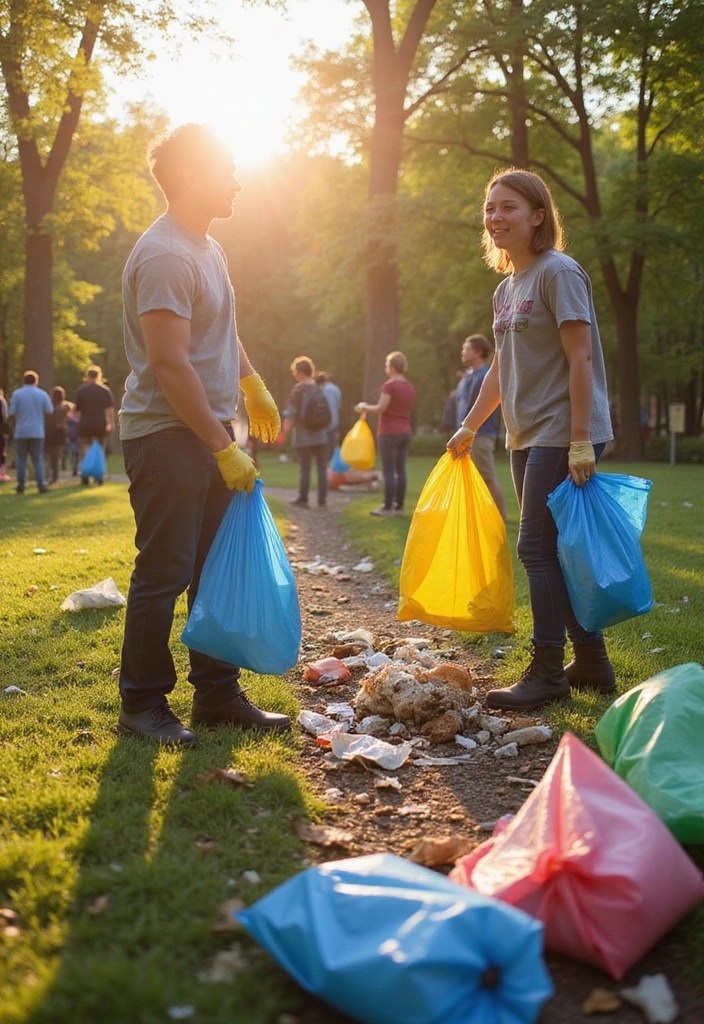
Get involved and make a meaningful impact in your community!
Joining local clean-up events is an excellent way to connect with others while contributing positively to the environment. Gather your friends or family and rally together to clean up parks, beaches, or neighborhoods. Not only will you enhance the beauty of your surroundings, but you’ll also help raise awareness about the vital importance of keeping our environment clean.
Don’t forget to bring along your reusable gloves to protect your hands while you work. A trash picker can make it easier to collect litter without bending down, making the task both more efficient and enjoyable. Consider using a community clean-up kit, which often contains all the essentials you’ll need for a successful day of cleaning.
Share your experiences on social media to inspire others to join the movement. Together, these small actions can lead to significant changes in your community!
15. Educate Yourself and Others

Knowledge truly is power, especially when it comes to sustainability.
Take the initiative to deepen your understanding of environmental issues and sustainable practices. You might start by exploring insightful books on sustainability that provide valuable information and innovative ideas. Additionally, consider subscribing to environmental magazines that keep you updated on the latest trends and practices in eco-friendliness.
Don’t keep this knowledge to yourself—share it with friends and family to spark meaningful conversations about the importance of protecting our planet. You could even start a book club dedicated to sustainability or host community discussions on eco-friendly practices. Engaging with those around you can foster collective action, amplifying your impact. The more individuals who grasp the significance of sustainability, the greater the potential for widespread change.
Conclusion

Embracing eco-friendly habits doesn’t have to be overwhelming!
Start with one or two of these tips and gradually incorporate more into your routine. Every small step counts toward a more sustainable future for our planet.
Together, we can create a positive impact and inspire others to join the movement. Let’s work toward a greener lifestyle that benefits us all!
Note: We aim to provide accurate product links, but some may occasionally expire or become unavailable. If this happens, please search directly on Amazon for the product or a suitable alternative.
This post contains Amazon affiliate links, meaning I may earn a small commission if you purchase through my links, at no extra cost to you.

 Living Well: Everyday Inspiration for a Balanced Life