
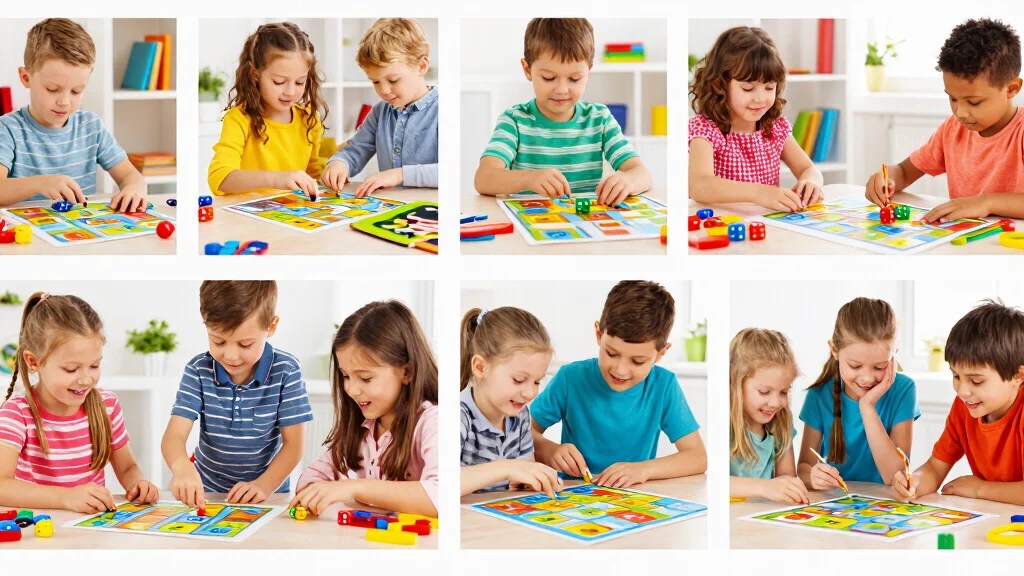
If you’re a parent, you know the struggle of keeping your kids engaged in education. Sometimes, it can feel like a battle just to get them to sit down and focus on their homework. This post is here to help! I created this guide because I wanted to find ways to make learning fun. Education shouldn’t just be about textbooks and tests; it should spark joy and curiosity.
This post is for parents who want to inspire their children. If you’re looking for creative ways to make learning enjoyable, you’ve come to the right place. Kids thrive on play and exploration, and they learn best when they’re having fun. That’s why I’ve pulled together 19 fun learning games that will transform the way your kids feel about education. These activities are not only entertaining but also educational, helping your little ones develop crucial skills without even realizing it.
In this blog post, you’ll discover engaging games that cover various subjects, from math and science to language arts and art projects. Your kids will love learning through play, and you’ll love watching their enthusiasm grow. So, let’s dive in and explore these exciting educational games together!
Key Takeaways
– Engaging Activities: The games listed will keep your kids interested and make learning feel like play rather than a chore. – Variety of Subjects: You’ll find games spanning multiple subjects, ensuring your child learns while having fun in areas like math, science, and language. – Easy to Implement: Most activities require simple materials you likely already have at home, making them easy to start at any time. – Family Involvement: Many of the games encourage family participation, fostering bonding time while promoting learning. – Lasting Impact: These fun learning games will help instill a love for education in your kids, making them more eager to learn and explore new topics.Contents
- 1. Scavenger Hunt for Sight Words
- 2. DIY Math Bingo
- 3. Story Cubes Adventure
- 4. Alphabet Sensory Play
- 5. Science Experiment Fun
- 6. Educational Board Games
- 7. Geography Treasure Map
- 8. Creative Art Projects
- 9. Rhythm and Rhyme Games
- 10. Nature Walk Exploration
- 11. Cooking and Baking Lessons
- 12. Puzzles and Brain Teasers
- 13. Math Charades
- 14. Digital Learning Apps
- 15. Language Learning Games
- 16. History Mystery Game
- 17. DIY Science Fair
- 18. Learning Through Gardening
- 19. Family Debate Nights
1. Scavenger Hunt for Sight Words
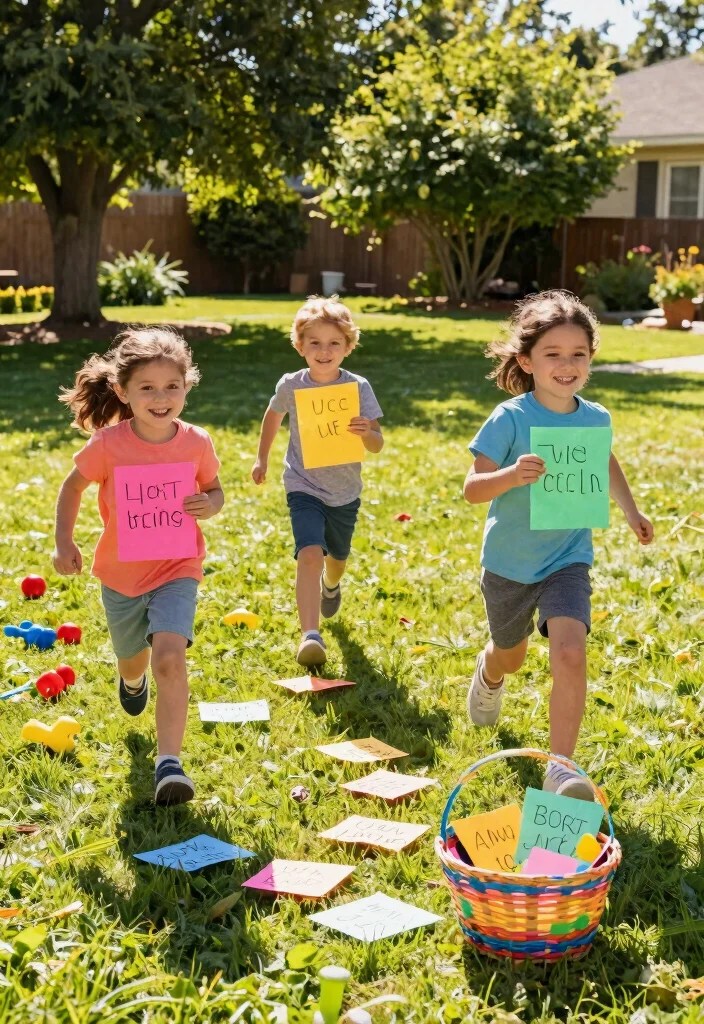
Give your kids a thrilling adventure right at home with a scavenger hunt for sight words! This fun activity involves colorful paper slips with sight words hidden around your living space. Kids will enjoy the excitement of searching for these words while sharpening their reading skills. You can customize the difficulty by selecting words that match their age and comprehension level. Editor’s Choice
To make it even more engaging, try adding simple sentences or math problems that relate to the sight words they discover. The thrill of the hunt will keep them moving and actively learning!
Key elements for a successful setup:
– Colorful paper for the sight words
– Markers for writing
– A timer to add excitement
– Small rewards like stickers or treats for motivation
Steps to kick off the fun:
1. Select sight words suitable for your child’s reading level.
2. Write each word on colorful pieces of paper.
3. Hide the words around your chosen area.
4. Provide your child with the word list and a basket for collecting.
5. Start the timer and let the hunt begin!
6. Celebrate their efforts with a fun reward.
Tips for enhancing the experience:
– Regularly update the sight words to keep the game fresh.
– Incorporate themes like animals or colors to spark their interest.
Scavenger Hunt for Sight Words



2. DIY Math Bingo
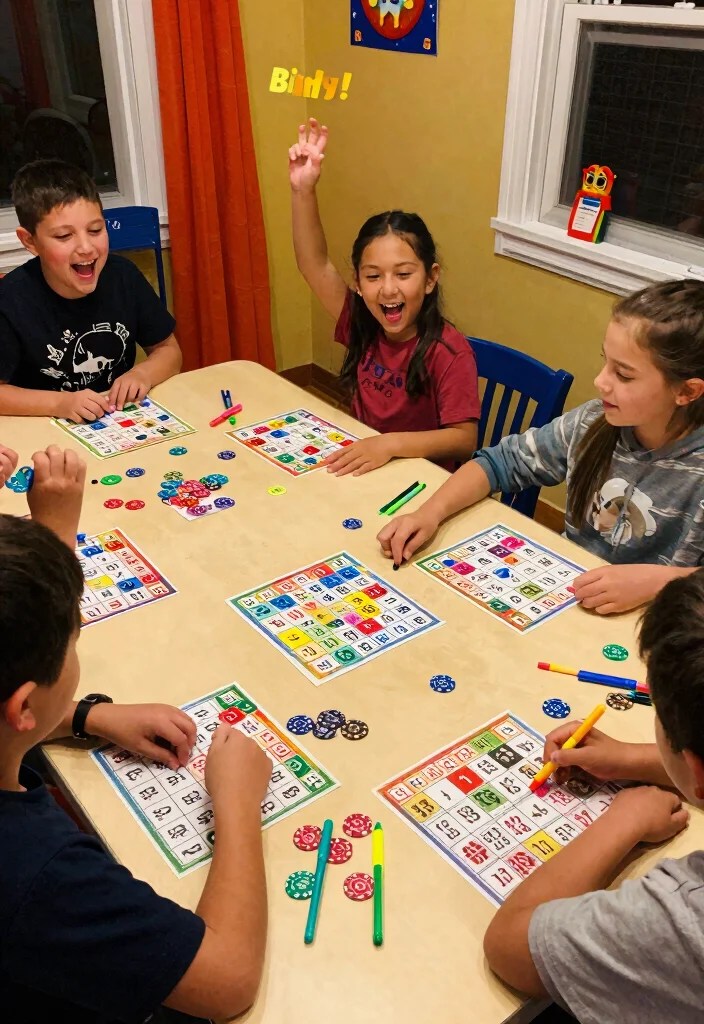
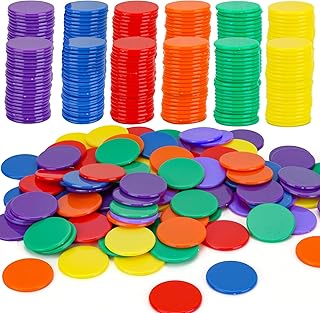
Turn a classic game of Bingo into a math-learning adventure! Instead of numbers, fill Bingo cards with math problems suitable for your child’s skill level. Whether it’s addition, subtraction, multiplication, or division, this game is perfect for reinforcing math concepts while having fun. Editor’s Choice
As you call out the answers to the math problems, kids will eagerly mark their cards. The first to complete a line and shout ‘Bingo!’ wins a small prize, making this game both fun and educational!
Essentials for setting up:
– Blank Bingo cards to fill
– Markers or chips for marking cards
– A list of math problems and their answers
Steps to get started:
1. Create Bingo cards filled with math problems.
2. Prepare a list of answers to call out during the game.
3. Hand out Bingo cards and markers to each player.
4. Call out the answers, allowing players to mark their cards.
5. Celebrate the winners with fun prizes!
Tips for maximizing the fun:
– Adjust the difficulty depending on the age group.
– Introduce special winning rules, like blackout or corners.
DIY Math Bingo


3. Story Cubes Adventure
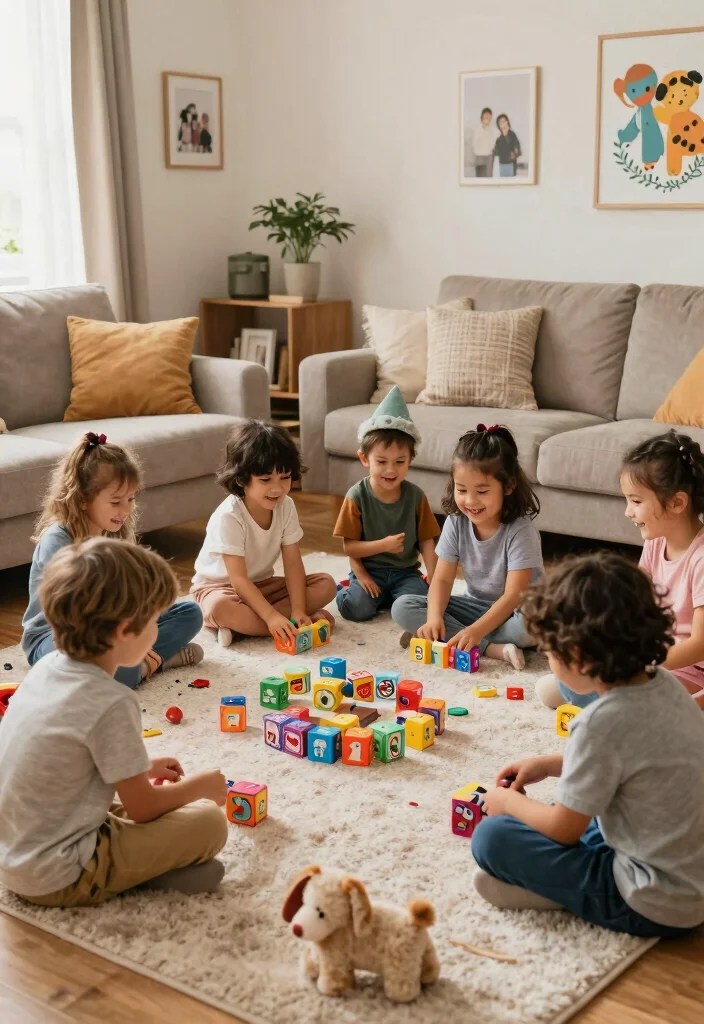
Ignite your child’s imagination with Story Cubes! These cubes, featuring various images or words, allow kids to create their own stories by rolling them and using the displayed images as prompts. This engaging game boosts creativity while enhancing language skills and storytelling abilities.
To keep the stories dynamic, set a timer for each turn, encouraging concise and exciting tales. You can also use household props to add flair to their storytelling, making it ideal for family game nights or playdates!
Ingredients for a fun setup:
– Story cubes (or make your own with paper)
– A timer for quick storytelling
– Props to inspire creativity (toys, costumes, etc.)
Steps to play:
1. Gather the story cubes and have players ready to create.
2. Roll the cubes and take turns crafting stories based on the images.
3. Use a timer to keep stories engaging and concise.
4. Encourage players to use props to act out their tales.
5. Celebrate creativity and laugh together!
Tips for extra fun:
– Use themed cubes to focus on genres like adventure or mystery.
– Collaborate to create a single story from each player’s rolls.
4. Alphabet Sensory Play
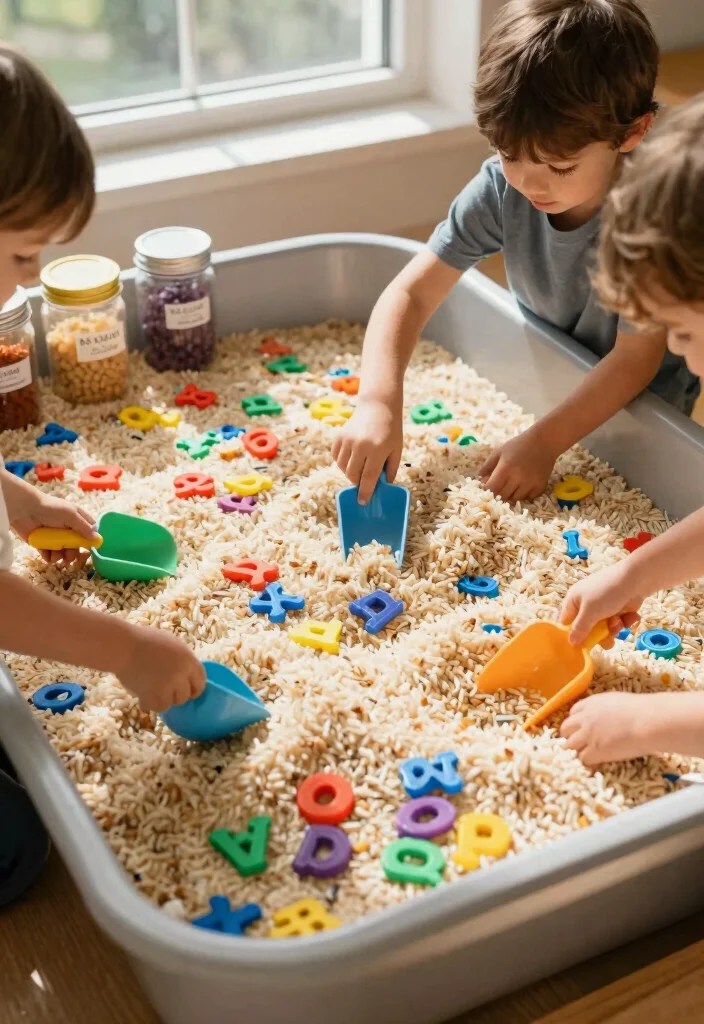
Engage young learners with Alphabet Sensory Play! This activity allows kids to explore letters and sounds in a playful manner. Fill a sensory bin with rice, sand, or beans, hiding letters inside for them to discover. As they dig through the materials, they’ll improve their letter recognition skills while having a blast.
For added variety, include letter magnets or foam letters, and challenge them to spell simple words using the letters they uncover. Taking this activity outdoors can also enhance the fun!
Supplies you’ll need:
– A large container for the sensory bin
– Rice, sand, or beans for filling
– Plastic letters or foam letters for discovery
– Scoops or spoons for digging
Steps to dive into the fun:
1. Fill the container with your chosen sensory material.
2. Hide letters within the mixture for kids to find.
3. Provide scoops or spoons for digging.
4. Encourage kids to identify and collect each letter.
5. Challenge them to spell words with their findings.
Tips for keeping it exciting:
– Change the sensory materials with the seasons to maintain interest.
– Incorporate themed letters related to holidays or events.
5. Science Experiment Fun

Transform playtime into exciting science experiments! Choose simple activities that require common supplies, like making a volcano with baking soda and vinegar or creating slime at home. These hands-on experiments spark curiosity and allow kids to witness science in action.
Kids not only learn about chemistry and physics but also develop critical thinking skills. Consider assigning a ‘Scientist of the Week’ to inspire regular experimentation and discovery!
Essentials for your science setup:
– Baking soda and vinegar for volcanoes
– Cornstarch and glue for slime-making
– Optional: Food coloring and small containers for experiments
Steps to explore science:
1. Gather the necessary supplies for the chosen experiment.
2. Demonstrate the process while explaining the science behind it.
3. Involve kids in the experiment, encouraging inquiries.
4. Celebrate their enthusiasm and achievements through play!
Tips for enhancing the experience:
– Document experiments with photos or videos to create a fun science journal.
– Explore themes like colors, textures, or reactions for added excitement.
📹 Related Video: Blippi’s Cool Science Experiments! | Learn Science For Kids | Educational Videos for Toddlers
6. Educational Board Games
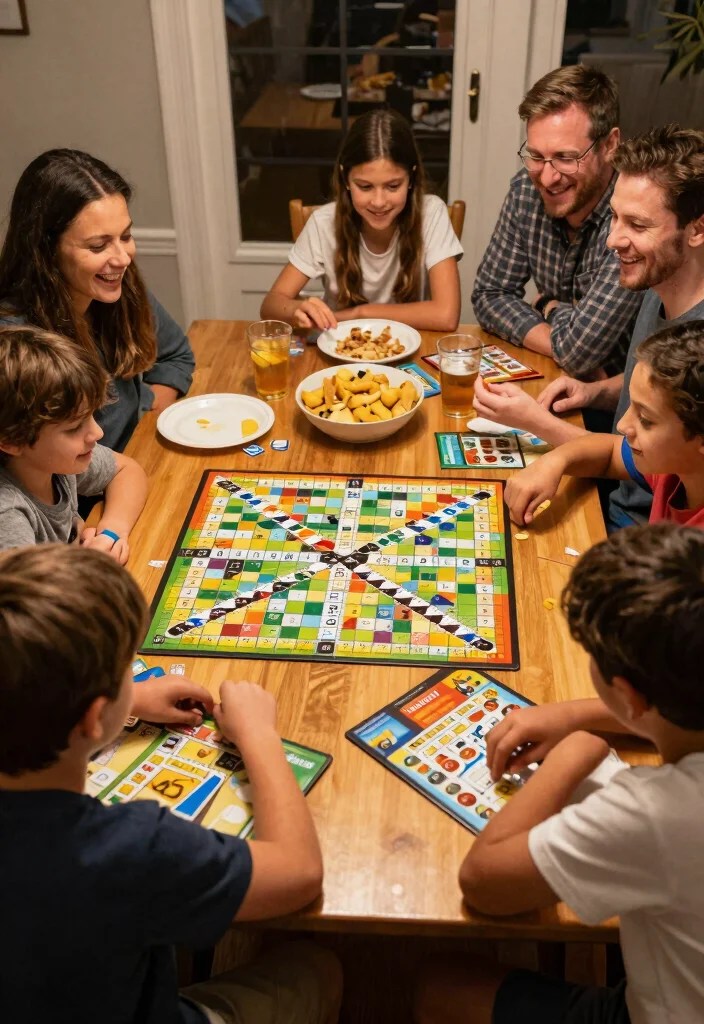
Board games are a fantastic way to combine family fun with education! Many games, like Scrabble or Monopoly, offer creative twists that teach vocabulary, math, and critical thinking skills. Make game night a regular tradition to enhance learning while spending quality time together.
Consider creating your own board game based on your family’s interests or topics your child is learning in school. This adds personalization and excitement to the game!
Ingredients to set up:
– A variety of educational board games
– Materials for DIY games (like cardboard and markers)
Steps for a fun game night:
1. Choose a game that emphasizes educational elements.
2. Clearly explain the rules to all players.
3. Set a time limit for gameplay to increase excitement.
4. Encourage collaboration and teamwork during play.
5. Celebrate wins with snacks and cheers!
Tips for keeping it engaging:
– Rotate games each week to maintain interest.
– Introduce lesser-known educational games for variety and excitement.
7. Geography Treasure Map
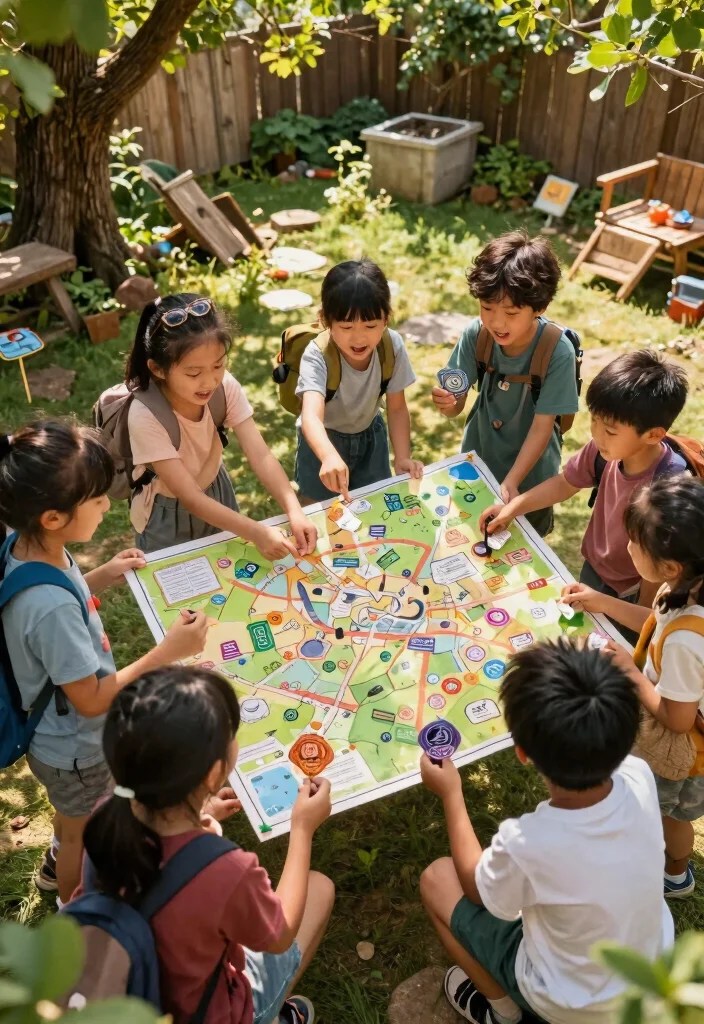
Make geography lessons come alive with an interactive treasure map adventure! Create a map representing the world or a specific region, marking various locations with clues that lead to different countries or states. This game enhances children’s knowledge of geography while igniting their sense of adventure.
As they follow the map, kids will learn about cultures, languages, and landmarks, turning education into an exciting journey. Add small prizes or surprises at each location to increase motivation and engagement!
Essentials for your treasure map setup:
– A large poster board or printable map
– Markers, stickers, and small treasures
– Clue cards with geography facts for each location
Steps to embark on the adventure:
1. Create or print a treasure map with marked locations.
2. Write clues based on geography facts for each spot.
3. Hide small surprises at each marked location.
4. Guide kids through the map, following clues to treasures.
5. Celebrate their discoveries together!
Tips for enhancing the fun:
– Incorporate decorations or crafts into the map-making process.
– Use online resources to share fascinating facts about the countries or regions visited.
8. Creative Art Projects
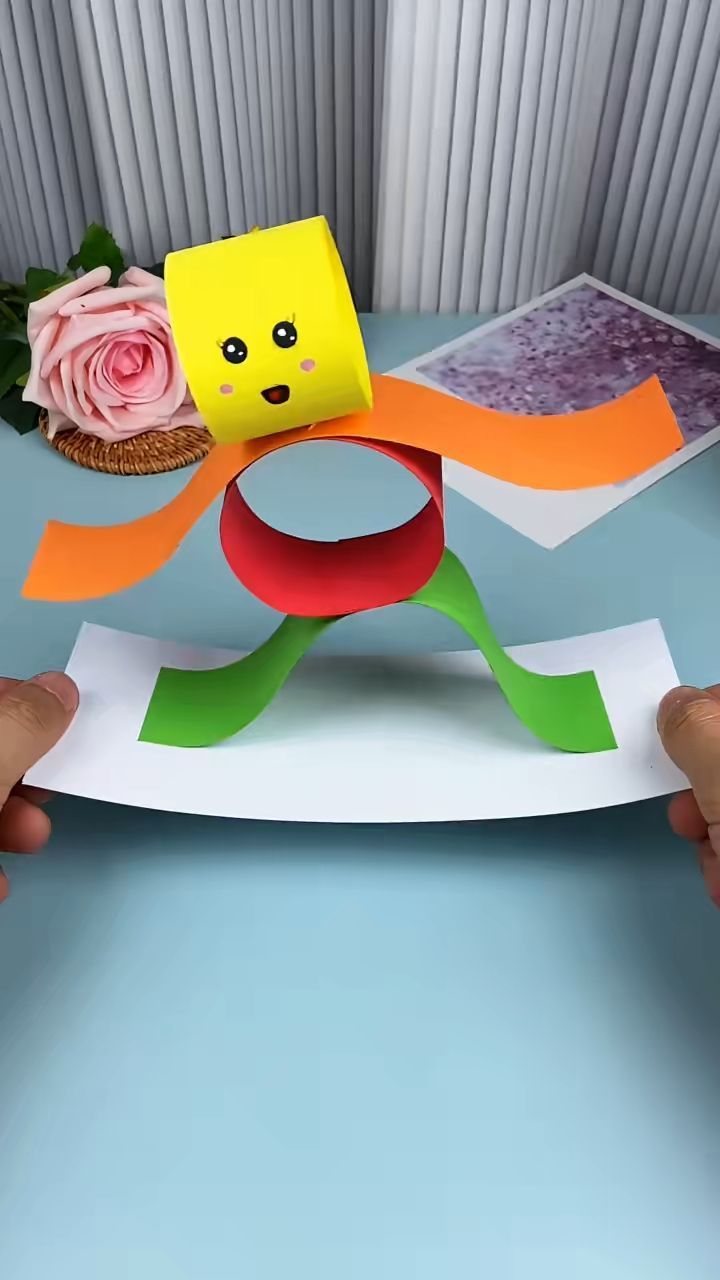
Art is a wonderful way to mix creativity with learning! Engage your children in art projects that teach concepts such as colors, shapes, and even history. Activities like creating collages or painting murals can deepen their appreciation for artistic expression while enhancing knowledge.
Creating art also promotes fine motor skills, problem-solving, and sensory development. Pick projects that align with current educational topics, like making a model of the solar system or illustrating a historical figure.
Ingredients for a successful art session:
– Various art supplies (paper, paint, glue, etc.)
– Specific materials based on project themes (like clay for models)
Steps to unleash creativity:
1. Select an art project that aligns with educational concepts.
2. Gather all necessary art supplies.
3. Allow for free expression while guiding them through the theme.
4. Celebrate their completed projects together!
Tips for boosting confidence:
– Display their artwork around the home to encourage pride.
– Consider hosting a mini art exhibition with family and friends.
Image credit: CraftStreams on Pinterest
9. Rhythm and Rhyme Games

Music and rhythm play a vital role in enhancing language skills! Incorporate rhythm and rhyme games by singing songs, creating chants, or playing instruments together. Kids can practice phonetics, storytelling, and rhymes, transforming learning into a joyful experience.
Try clapping out rhythms or crafting songs based on school lessons to reinforce memory. Using instruments like maracas or tambourines adds a physical element that stimulates learning in multiple ways!
Supplies to get started:
– Musical instruments (optional)
– Simple rhymes or songs related to educational topics
Steps to play:
1. Choose a topic or lesson to base your song on.
2. Create rhythmic chants or simple songs together.
3. Incorporate movements to engage more senses.
4. Perform for family members or record the songs for memories!
Tips for making it fun:
– Use familiar tunes to ease the learning process.
– Encourage improvisation to spark creativity.
How To Choose Fun Learning Games for Your Kids
Choosing the right learning games for your kids can be a fulfilling experience. You want to select games that are not only engaging but also educational. Here are some key criteria to help you make the best choice. 1. Age AppropriatenessSelecting games that match your child’s age is crucial. Different age groups have varying cognitive abilities and interests. For younger children, consider games that involve basic counting or vocabulary. For older kids, challenge them with more complex puzzles or strategy games. Always check the recommended age range on the game packaging to ensure it aligns with your child’s development.
2. Educational Value
Look for games that incorporate learning in a fun way. Games that promote critical thinking, problem-solving, and creativity are excellent choices. For instance, a game that teaches math through fun challenges can keep your kids engaged while they learn. Research games that align with educational standards or those that parents and educators highly recommend.
3. Level of Engagement
Engagement is key to keeping your kids interested in learning games. Choose games that capture their attention and encourage active participation. Look for games that involve teamwork, competition, or storytelling. Games that require kids to move, build, or create are often more engaging than those that are purely digital or passive.
4. Variety and Versatility
Opt for games that offer a variety of play options or can be adapted for different skill levels. This not only ensures that your kids won’t get bored, but it also allows them to grow with the game. For example, a board game that has multiple ways to play can keep it fresh and exciting over time. Consider games that can be used in various settings, like at home, on the go, or even outdoors.
5. Quality of Materials
The materials used in the game matter, especially for younger children. Choose games made from sturdy, non-toxic materials that can withstand wear and tear. This is particularly important for games that involve physical pieces or components. High-quality games not only last longer but are also safer for your kids to play with.
6. Budget
Set a budget for how much you are willing to spend on learning games. Educational games vary widely in price. While it’s tempting to go for the cheapest options, sometimes investing a little more can lead to better quality and longevity. Look for sales, discounts, or bundle deals to save money, but ensure the games still meet the educational criteria you’ve set.
Pro Tip: Always read reviews and testimonials from other parents. They can provide valuable insights into the game’s actual engagement and educational value. Additionally, consider trying out games with your kids to see if they genuinely enjoy them before making a purchase.
By keeping these criteria in mind, you can select fun learning games that not only entertain but also enhance your child’s educational journey. Remember, the right game can spark a love for learning that lasts a lifetime.
10. Nature Walk Exploration
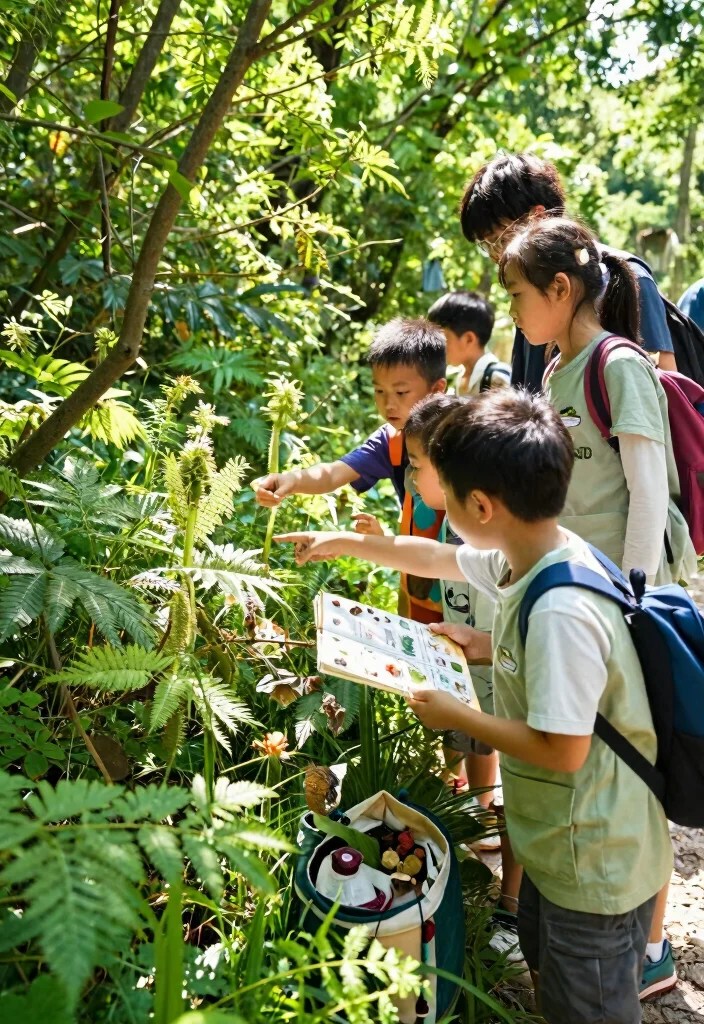
Turn a simple walk into an educational adventure! Take your kids on a nature walk in a local park or woods, encouraging them to explore and observe their surroundings. Create a checklist of items to find, such as specific plants or animals, enhancing their observational skills. Editor’s Choice
Incorporate science lessons by discussing ecosystems, habitats, and conservation while you walk. Collecting leaves or stones can inspire creative art projects later at home!
Essentials for your nature walk:
– A checklist of items to find during the walk
– A nature journal for recording observations
– Optional: Collecting bags or containers for treasures
Steps to embark on the adventure:
1. Prepare a nature checklist before heading out.
2. Encourage kids to look for items on the list.
3. Discuss interesting facts about what you see along the way.
4. Document observations in a nature journal.
5. Create art projects from collected items at home.
Tips to deepen the experience:
– Set a theme for each walk, focusing on insects or plants.
– Teach responsible nature observation to foster respect for the environment.
Nature Walk Exploration



11. Cooking and Baking Lessons
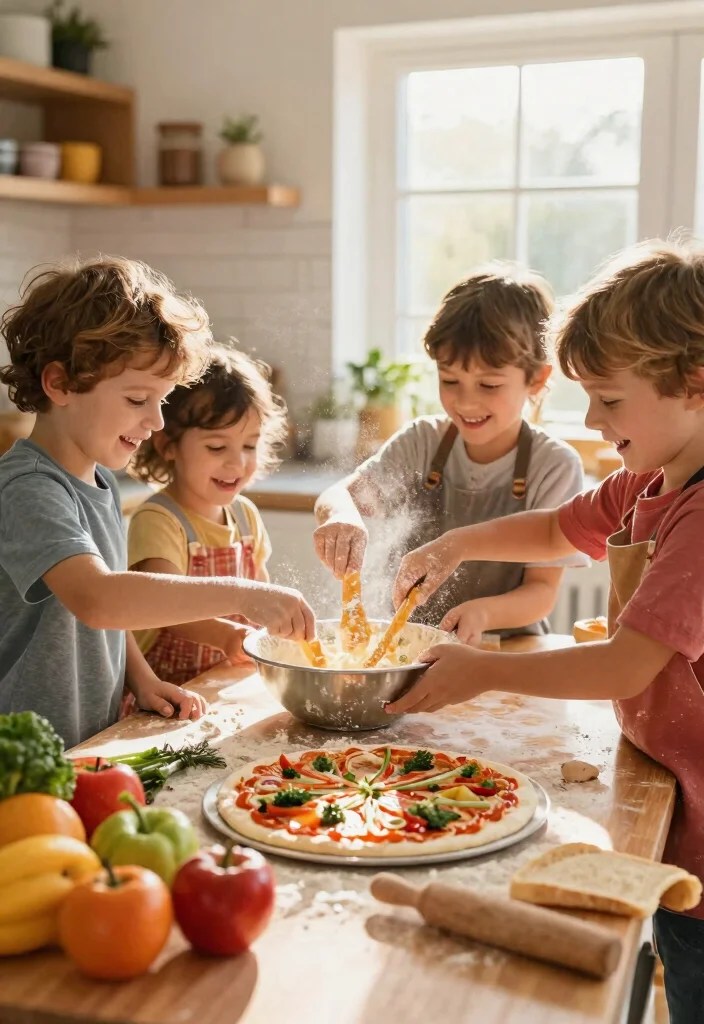
Cooking and baking can be a delicious way to learn! Involve your kids in the kitchen to teach them about measurements, following instructions, and nutrition. Choose simple recipes, like homemade pizza or cookies, that are easy for them to follow.
As they mix ingredients, explain the science behind cooking, such as how heat alters food’s texture. This practical approach reinforces math and science concepts while making it enjoyable!
Ingredients for a fun cooking session:
– Simple recipes with a list of ingredients
– Measuring tools like cups and spoons
– Cooking utensils and baking sheets
Steps to make cooking fun:
1. Choose a simple recipe together.
2. Gather all necessary ingredients and tools.
3. Walk them through the cooking process, explaining each step.
4. Allow creativity with toppings or flavors.
5. Enjoy the delicious results together!
Tips for enhancing the experience:
– Encourage kids to keep a recipe book of their creations.
– Discuss nutrition and healthy choices while preparing food.
12. Puzzles and Brain Teasers
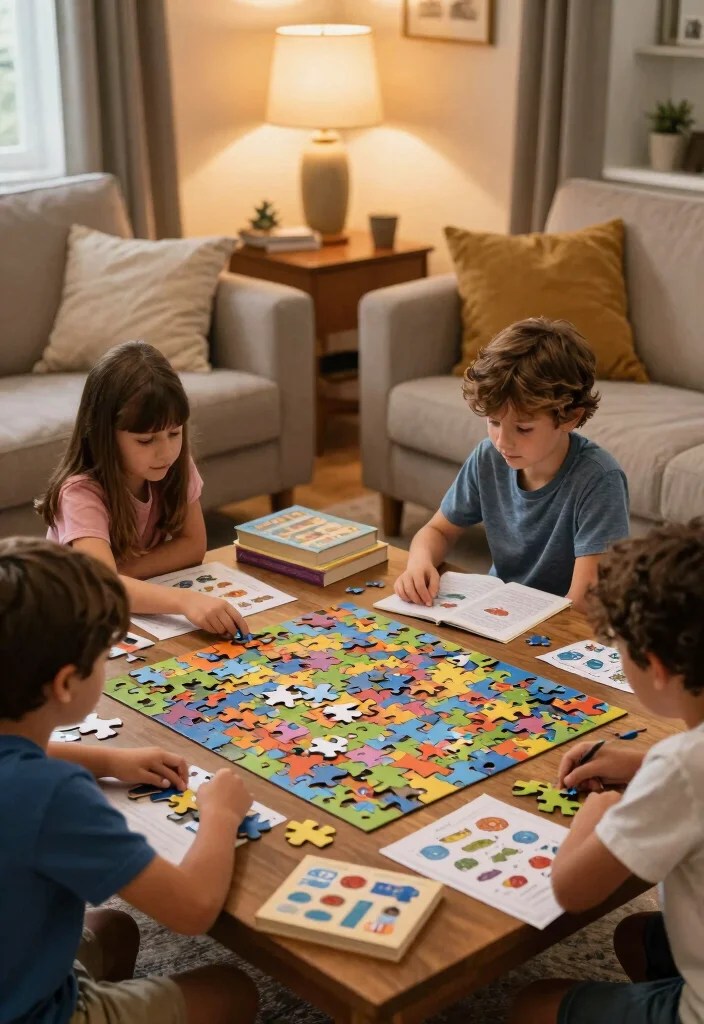
Puzzles and brain teasers are excellent for developing critical thinking skills! Engage your kids with age-appropriate jigsaw puzzles, crossword puzzles, or Sudoku. These activities challenge their minds while providing a sense of accomplishment when completed.
Create a family puzzle night where everyone works together on a large jigsaw puzzle or different brain teasers, promoting teamwork and communication! You can even create custom brain teasers based on their school subjects for added motivation.
Ingredients for a fun puzzle session:
– A variety of puzzles (jigsaw, crossword, etc.)
– Brain teasers printed out or found in books
– Optional: Prizes for completed puzzles
Steps to dive into puzzle fun:
1. Choose a puzzle or brain teaser that matches their skill level.
2. Set up a comfortable area for solving puzzles together.
3. Encourage teamwork and communication while working on puzzles.
4. Celebrate their success with small rewards!
Tips for keeping it fresh:
– Rotate puzzles regularly to maintain excitement.
– Create custom puzzles that align with their interests or educational topics.
13. Math Charades
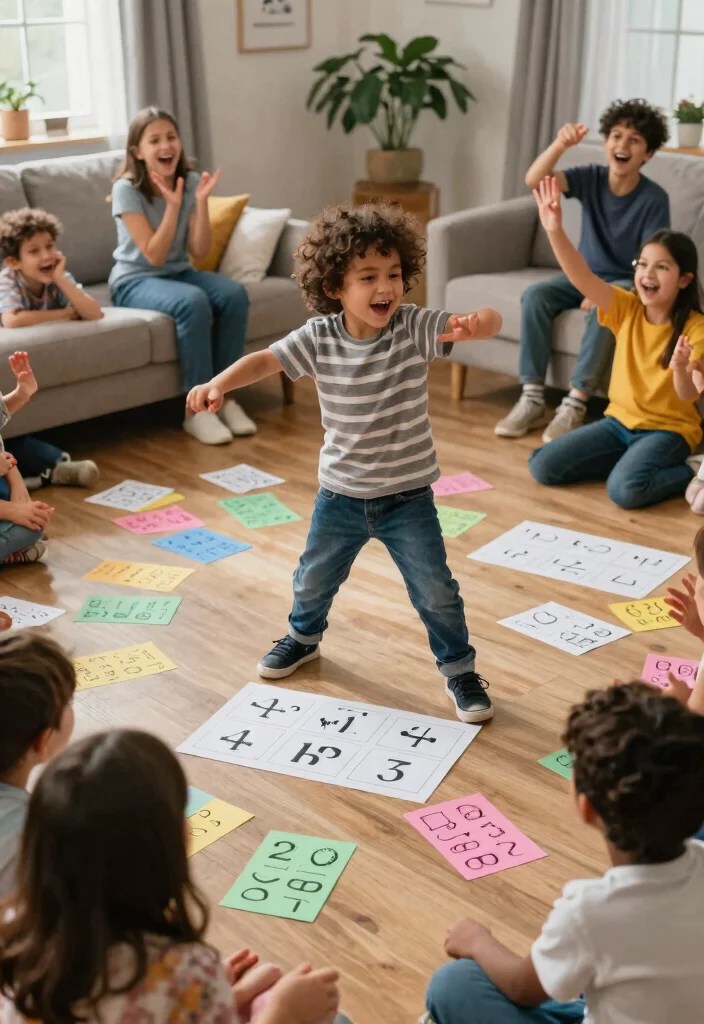
Turn charades into a fun way to master math concepts! Write various math problems or concepts on slips of paper and have kids act them out for others to guess. This lively game reinforces math skills in an entertaining way and is filled with laughter and creativity. Editor’s Choice
Encourage kids to think critically about how to express numbers, operations, or shapes without speaking. Adding a timer can intensify the excitement, making it even more engaging! The silly acts and gestures will make learning memorable.
Essentials for a fun game:
– Slips of paper with math problems or concepts
– A timer to keep track of turns (optional)
Steps to play:
1. Prepare slips of paper with various math problems.
2. Gather everyone for a fun game session.
3. Set a timer for each turn to increase excitement.
4. Let players act out their math problems while others guess.
5. Celebrate the winners and enjoy the creative performances!
Tips for enhancing the fun:
– Adjust the difficulty based on players’ math levels.
– Encourage creativity in how they express the problems.
Math Charades


14. Digital Learning Apps
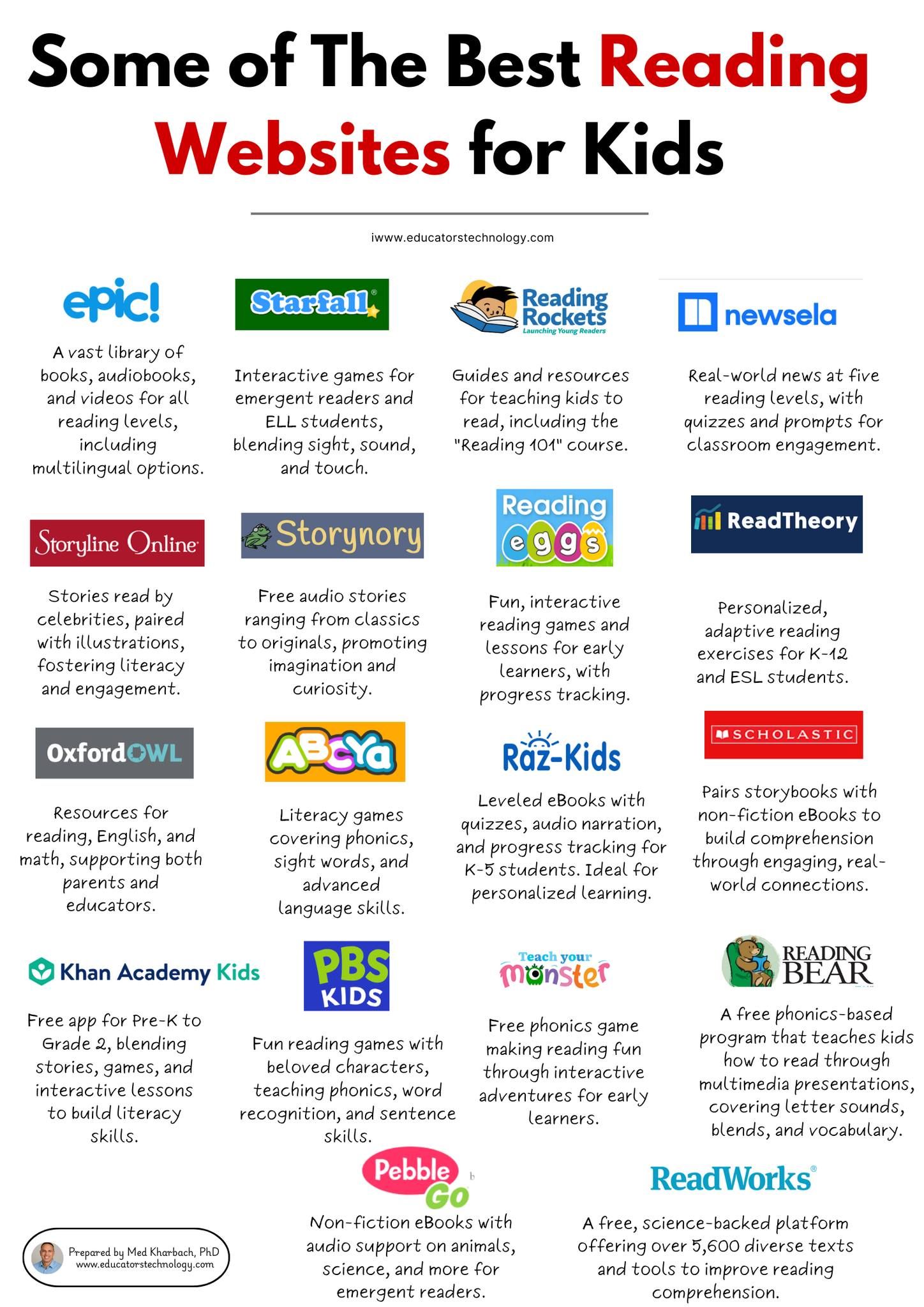
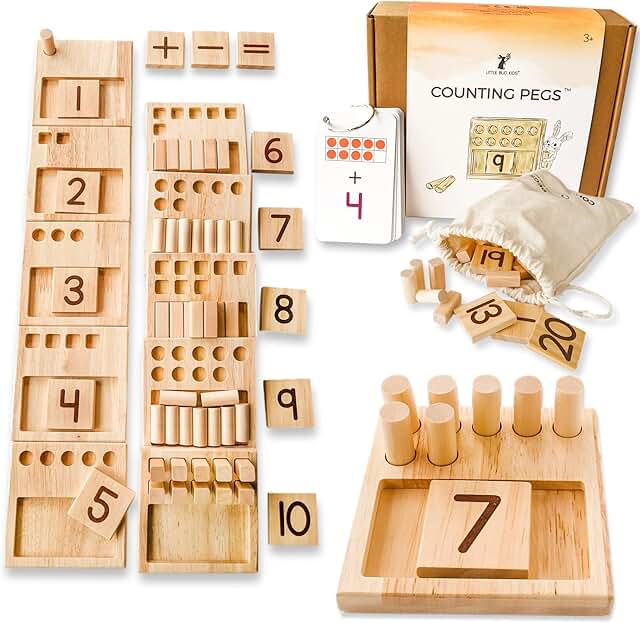
In today’s tech-savvy world, educational apps can make learning engaging and fun! Explore high-quality apps that cover various subjects like math, reading, and science. These interactive platforms utilize games, animations, and quizzes to create enjoyable learning experiences.
Many apps track progress and adapt to your child’s learning level, providing a personalized journey. Look for user-friendly options that foster critical thinking and creativity!
Ingredients for a tech-savvy setup:
– A tablet or smartphone for app access
– A selection of educational apps suitable for your child’s age
Steps to integrate learning with technology:
1. Research educational apps appropriate for your child’s age group.
2. Download and set up the selected apps for use.
3. Discuss learning goals to encourage exploration.
4. Monitor progress and celebrate achievements together!
Tips for a balanced approach:
– Set limits on screen time to ensure healthy activity levels.
– Regularly check for new educational apps to keep learning fresh and exciting.
Image credit: Brianna Grote on Pinterest
15. Language Learning Games
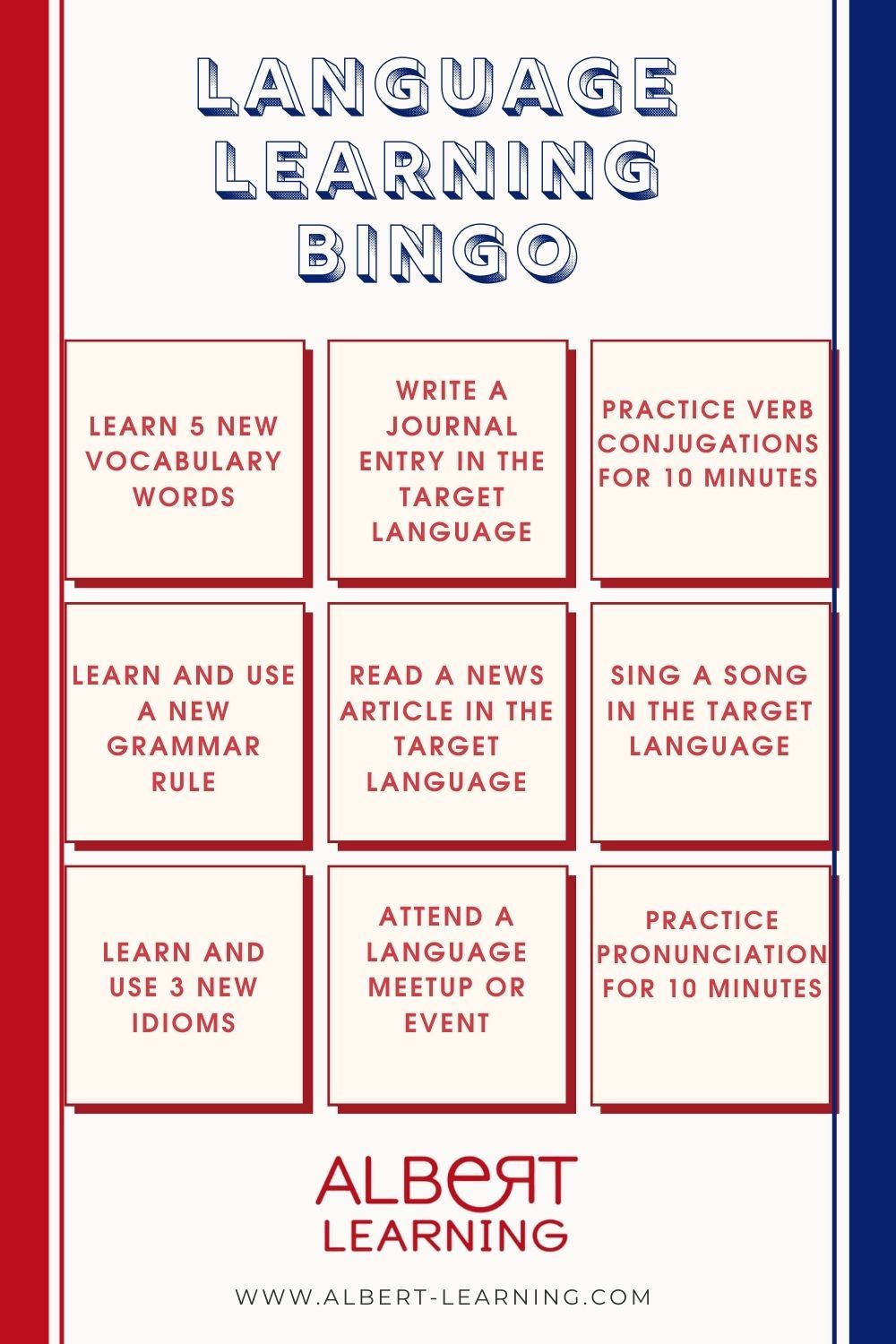
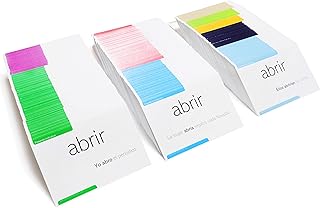
Make language learning fun and interactive with engaging games! Organize activities that focus on vocabulary, grammar, and pronunciation skills. Word association games, vocabulary bingo, or flashcard competitions can all be excellent ways to reinforce language skills.
Encourage kids to use their language skills in everyday conversations and reading, solidifying their understanding through practice. Incorporating songs, stories, or short videos in the target language adds immersion to the experience.
Ingredients for an immersive setup:
– Flashcards, bingo cards, or DIY materials for games
– Access to language songs or videos for practice
Steps to embark on the language adventure:
1. Choose a language and set clear learning objectives.
2. Prepare games that align with those objectives.
3. Engage the family in practice sessions and competitions.
4. Celebrate achievements and progress together!
Tips for enhancing the experience:
– Explore language-learning apps for interactive experiences.
– Use travel-themed discussions to make learning relevant and exciting.
Image credit: Albert Learning on Pinterest
Language Learning Games
Editor’s Choice



16. History Mystery Game

Bring history to life through engaging mystery games! Create scenarios where kids solve historical puzzles or answer trivia questions to uncover fascinating stories from the past. Focus on specific periods or events to spark their curiosity and make learning enjoyable.
This game can be played individually or in teams, promoting collaboration and discussion. Dressing up as historical figures or using props can further immerse them in the experience! Completing each mystery will provide a sense of achievement and deep knowledge of history.
Ingredients for an exciting setup:
– Clue cards or trivia questions related to history
– Costumes or props to make it more immersive (optional)
– A timeline chart for visual reference (optional)
Steps to dive into history:
1. Prepare clues or trivia questions based on a historical topic.
2. Divide players into teams or allow individual play.
3. Guide them through the mystery-solving process, discussing facts as they go.
4. Celebrate their findings and insights together!
Tips for keeping it exciting:
– Rotate historical themes regularly to maintain interest.
– Encourage creative presentations of their findings, like skits or reports.
Image credit: 𓆩♡𓆪 on Pinterest
17. DIY Science Fair
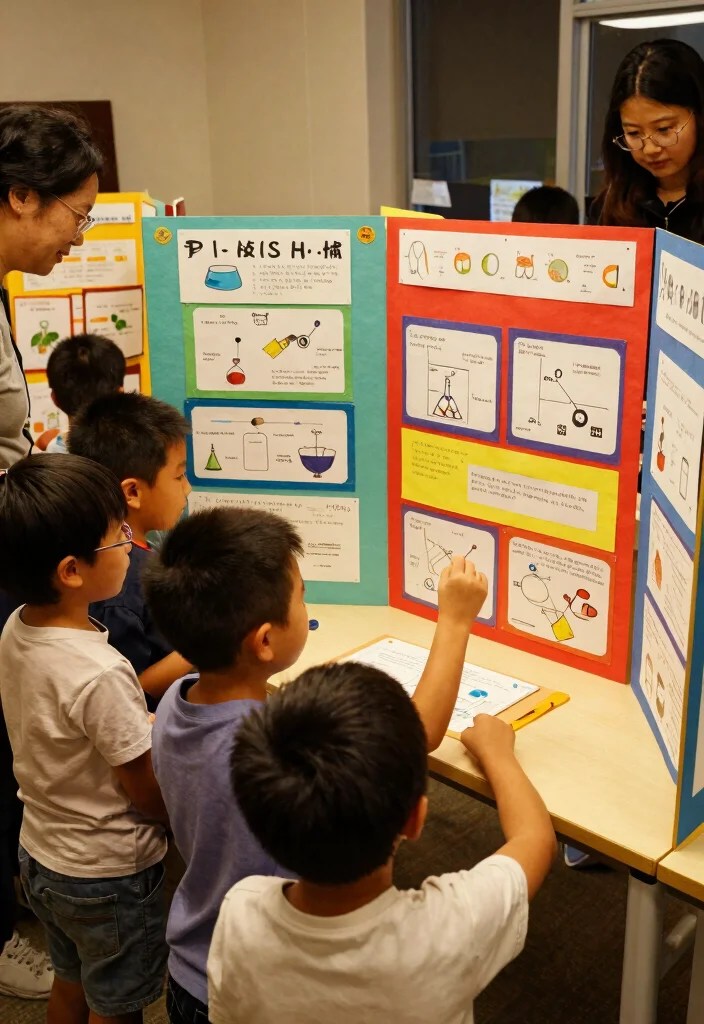
Host a DIY science fair at home where kids can showcase their amazing experiments! Allow them to choose a topic they’re passionate about and guide them in creating a presentation. From demonstrating chemical reactions to building simple machines, the possibilities are endless.
A science fair encourages creativity and boosts confidence while providing public speaking opportunities! Invite family members to observe and give feedback. You can even create trophies or certificates to celebrate their hard work.
Ingredients for a successful science fair:
– Supplies for various science projects
– Presentation boards or materials for displays
– Trophies or certificates for recognition (optional)
Steps to organize a fair:
1. Discuss project ideas that excite your child.
2. Gather necessary materials for their chosen project.
3. Guide them through creating a presentation.
4. Host the family science fair where they can present their findings.
5. Celebrate all participation and creativity with awards!
Tips for enhancing the event:
– Provide support while allowing them to develop their ideas.
– Encourage a fun Q&A session after presentations to deepen learning.
18. Learning Through Gardening
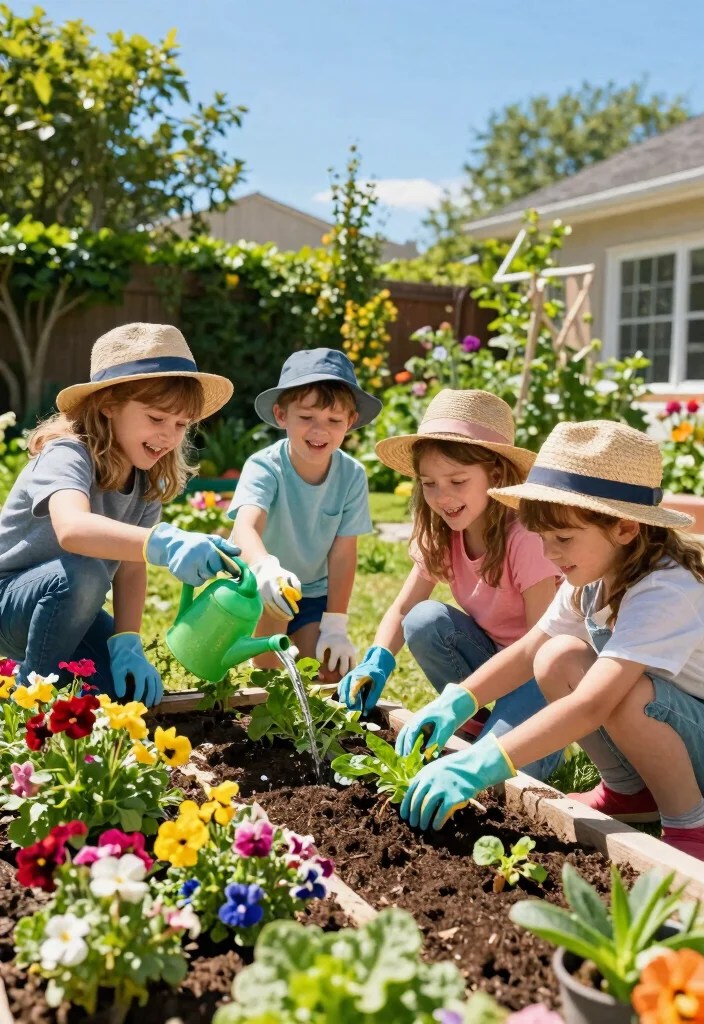
Gardening is a fantastic way to combine education with nature! Involve your kids in planting a garden where they can learn about biology, ecology, and the importance of environmental care. Choose easy-to-grow plants or vegetables, such as tomatoes or herbs.
As they plant, water, and nurture their garden, kids develop responsibility and patience. You can also teach them about plant life cycles and the nutrition benefits of home-grown produce!
Ingredients for a fun gardening experience:
– Seeds or plants suitable for your gardening space
– Gardening tools such as shovels and watering cans
– A designated area for planting
Steps to dig into gardening:
1. Choose plants that are easy to grow.
2. Gather necessary gardening tools and supplies.
3. Discuss the planting process and care routines.
4. Monitor growth and document changes together.
5. Enjoy the rewards of your labor by harvesting together!
Tips for enhancing the experience:
– Start small and gradually expand the garden.
– Use gardening as a way to teach about weather, insects, and ecosystems.
19. Family Debate Nights
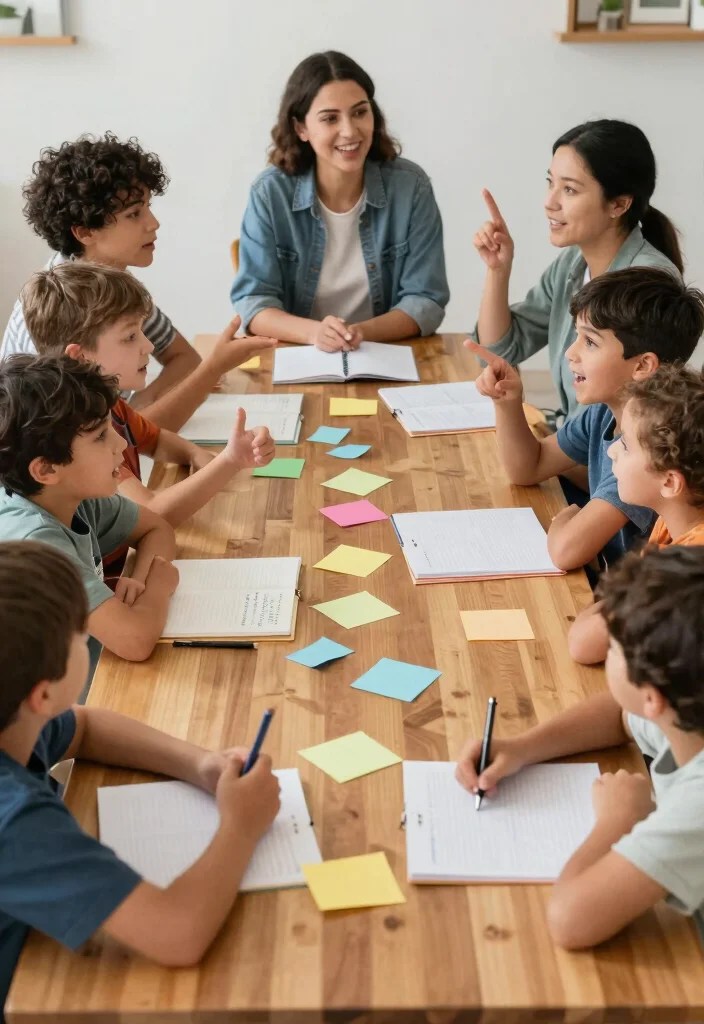
Boost critical thinking and communication skills with entertaining family debate nights! Choose age-appropriate topics that allow kids to express their opinions while learning to listen respectfully. This practice promotes public speaking and helps articulate thoughts effectively.
Utilize fun themes or current events as debate topics to keep the engagement high. Set rules for constructive arguments and offer light-hearted prizes for participation. This activity not only encourages critical thinking but also strengthens family bonds through discussion.
Ingredients for a lively debate:
– A list of debate topics to discuss
– A timer to manage speaking times
– Optional: Prizes for participation
Steps to host an engaging debate:
1. Prepare a list of topics for debate.
2. Establish ground rules for respectful discussions.
3. Organize teams or allow individual debates.
4. Set time limits for each speaker to ensure fairness.
5. Celebrate participation and encourage open dialogue!
Tips for enhancing the experience:
– Rotate facilitators to give everyone a chance to lead.
– Encourage kids to research their topics for better understanding.
Conclusion
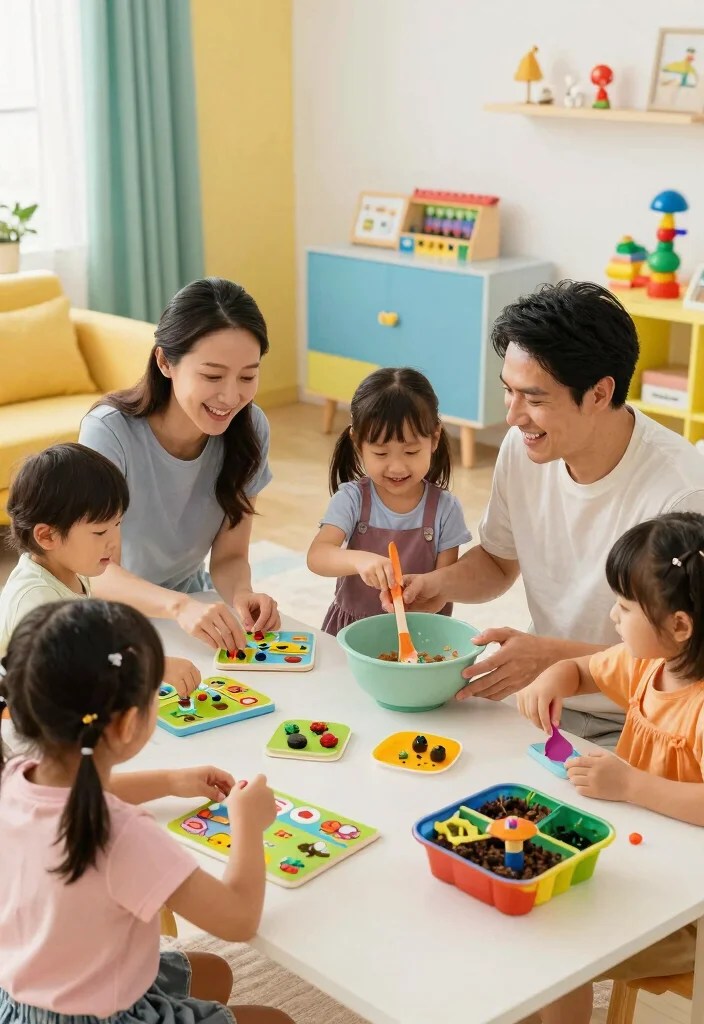
Education shouldn’t be a dull task; it should be filled with joy and excitement! By incorporating these fun learning games into your family routine, you can ignite a love for education in your kids that lasts a lifetime. From outdoor adventures to creative art projects, the possibilities are endless. Encouraging your children to engage in these games will not only boost their academic skills but also create cherished family memories along the way. So, gather your family, pick a game, and let the educational fun begin! Note: We aim to provide accurate product links, but some may occasionally expire or become unavailable. If this happens, please search directly on Amazon for the product or a suitable alternative. This post contains Amazon affiliate links, meaning we may earn a small commission if you purchase through our links, at no extra cost to you.
Frequently Asked Questions
What Are Some Learning Games That Will Help My Kids Love Education?
Finding the right learning games can turn studying into playtime your kids actually look forward to. Start with simple, goal‑oriented activities that tie to what they’re learning in school, keep sessions around 15-20 minutes, and celebrate small wins. Try these practical ideas: Math Bingo to practice addition and subtraction, Alphabet Scavenger Hunt around the house to reinforce letters, Science Treasure Hunt using household items to spark curiosity, and a Word-Building Relay to boost spelling. Adapt difficulty by adjusting numbers or word lists, and rotate games so sessions stay fresh.
How Can I Choose Age-Appropriate Learning Games for Different Ages?
Age-appropriate learning games mean matching challenge to your child’s current skills and interests. For preschoolers focus on recognition, motor skills, colors and shapes; for early elementary, use structured rules and basic reading/math goals; for middle school, introduce strategy, problem solving and STEM concepts. Use the Zone of Proximal Development as a guide: pick games just a notch above their current ability and adjust as they grow. Examples by age: Preschool—shape-sorters and simple memory games; Early elementary—letter/number flashcards with a twist; Upper elementary—card games for multiplication or spelling; Teens—coding puzzles or science trivia.
What Are the Benefits of Learning Games for Literacy and Math?
Learning games make literacy and math feel like adventures, not chores. They boost engagement, memory, and the transfer of skills to real-world tasks while reducing test anxiety. With short, repeatable rounds, kids build reading fluency, vocabulary, and math facts. Plus, fun collaboration and teamwork strengthen communication and social skills, making learning educational in a natural, enjoyable way.
What Are Some Quick, Low-Prep Learning Games I Can Do Today?
Here are five quick options with minimal setup: 1) Alphabet scavenger hunt—find items around the house that start with each letter; 2) Math dice relay—roll dice and solve quick sums; 3) Story dice—roll prompts and build a short story together; 4) Word bingo—print simple bingo cards with sight words; 5) 60-second science questions—ask fast questions and reward correct answers. All require only common household items and take about 10-20 minutes to complete, making it easy to fit learning games into busy days.
How Can I Make Learning Games Part of Our Daily Routine Without It Feeling Like Chores?
Treat games like a daily ritual, not extra work: designate a regular game time (or a weekly game night) and rotate games so each session stays fresh. Tie games into daily tasks—sort laundry by color for math, read a recipe aloud for reading comprehension, or create a quick scavenger hunt after dinner. Keep the atmosphere light, celebrate progress, and focus on fun and educational moments rather than perfection.

 Living Well: Everyday Inspiration for a Balanced Life